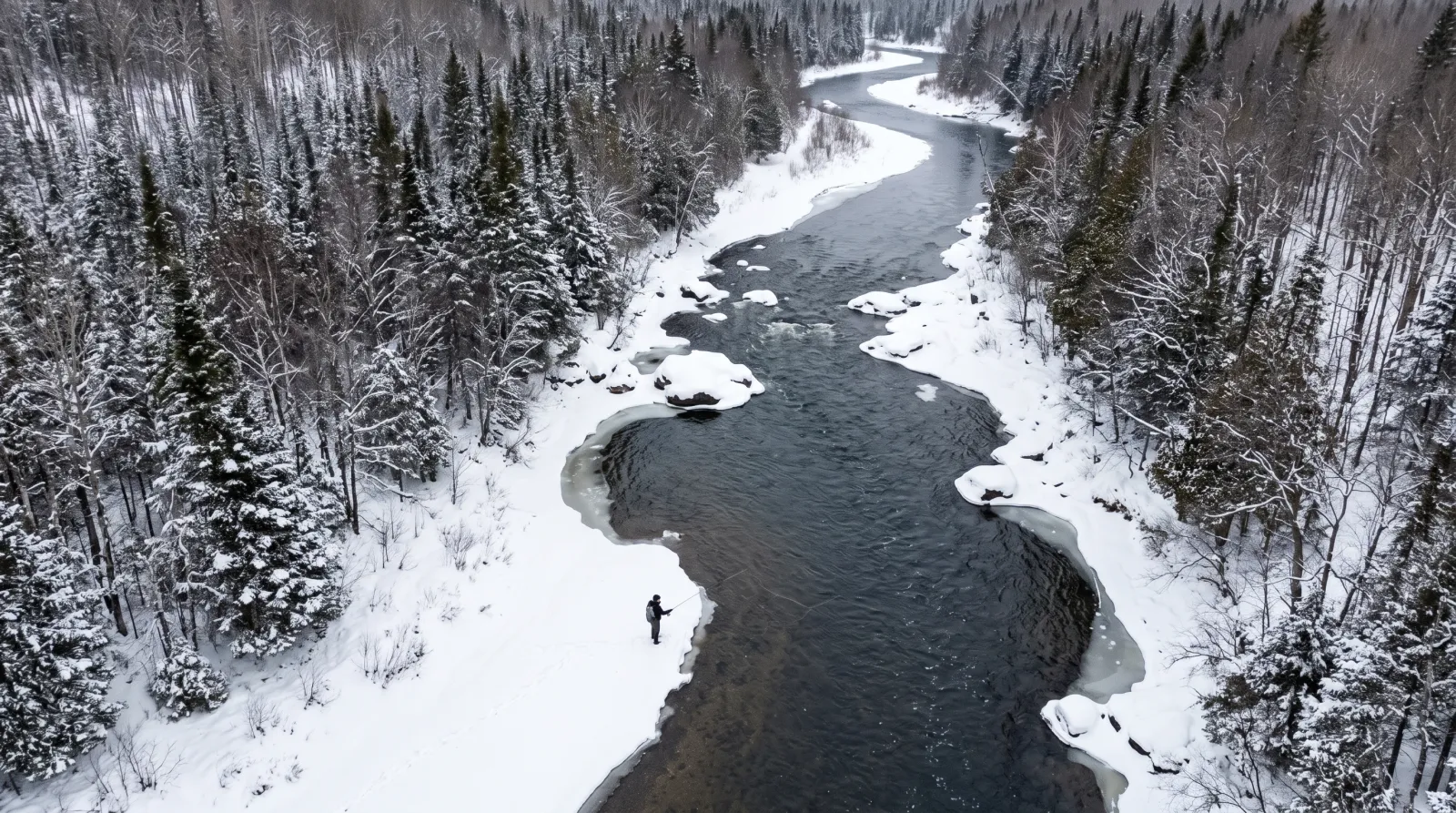
Middle Provo Winter Fly Fishing: Midges, the Midday Window, and Snow-Day Access
Middle Provo winter fly fishing runs on a 125 cfs minimum release, size 20-26 midges, and a 10-to-2 feeding window. Here's how December, January, and February differ, what to tie on, where to park after a storm, and the 2026 regulations.
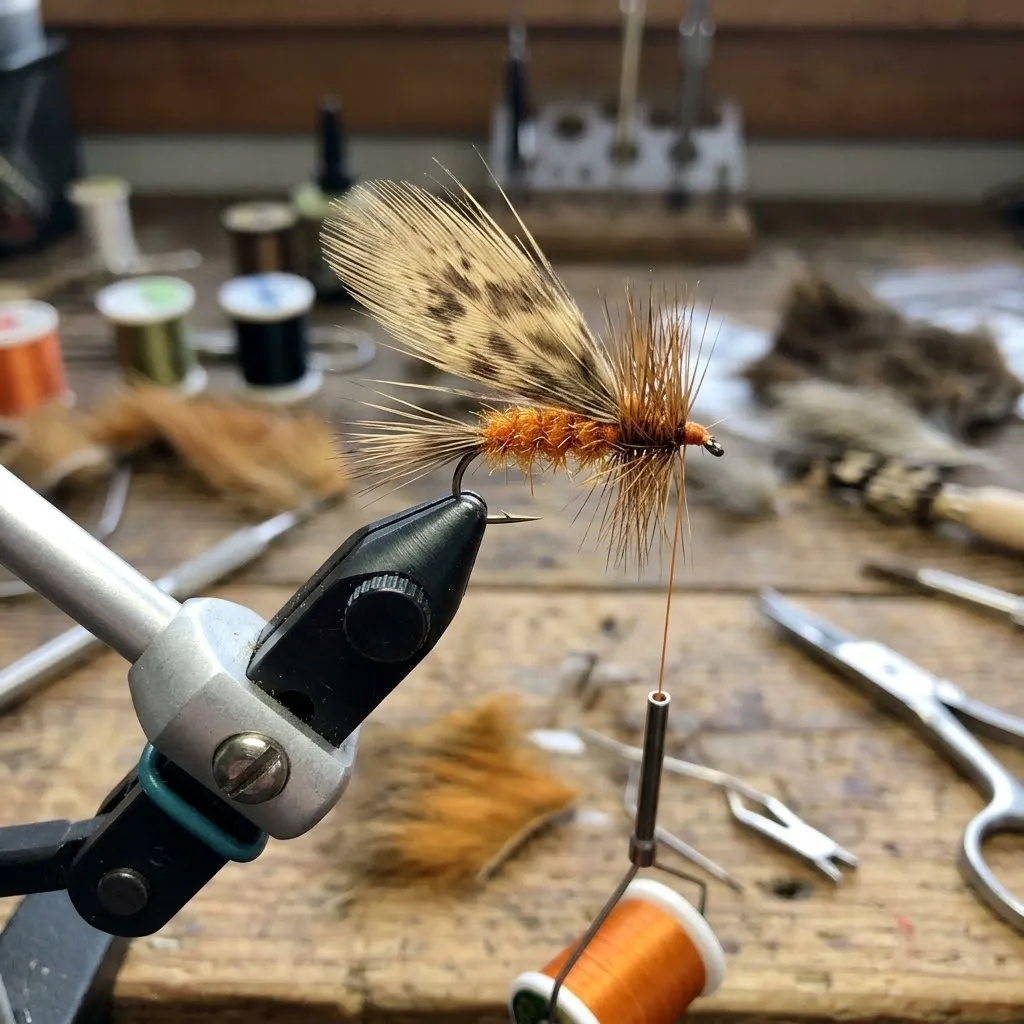
October Caddis Hatch Guide: The Last Big Dry Fly of the Season
The October caddis hatch is the last big dry fly event of the year. Timing windows by region, where the bugs actually live, and the two rigs that cover a full day of it.
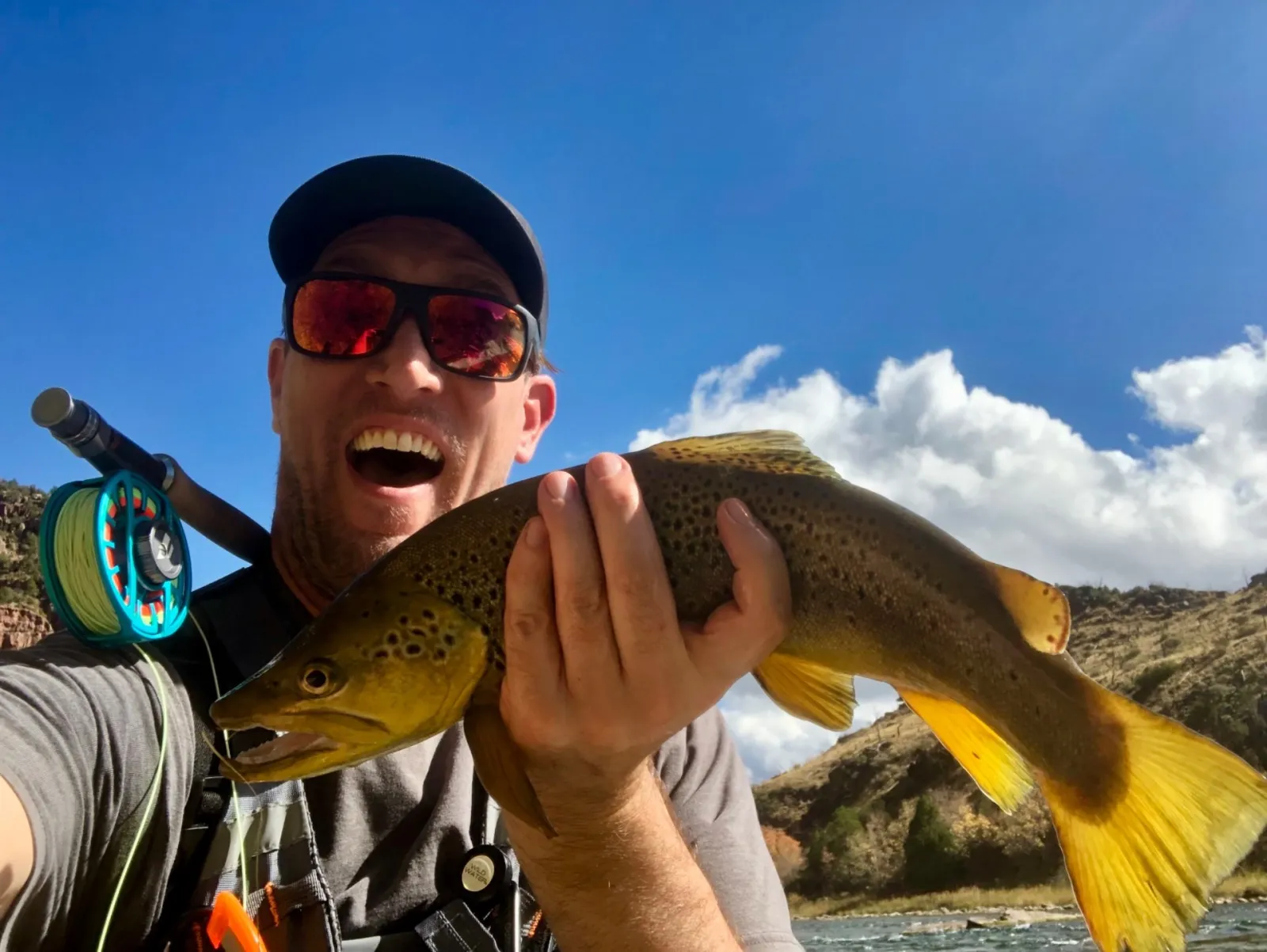
Green River in Fall: BWOs, Low Crowds, and Big Browns Below Flaming Gorge
The Green River in fall is the sleeper season: BWO pods on the flats, stable wading flows, empty boat ramps, and the biggest browns of the year on the move. Here's the September through November playbook.
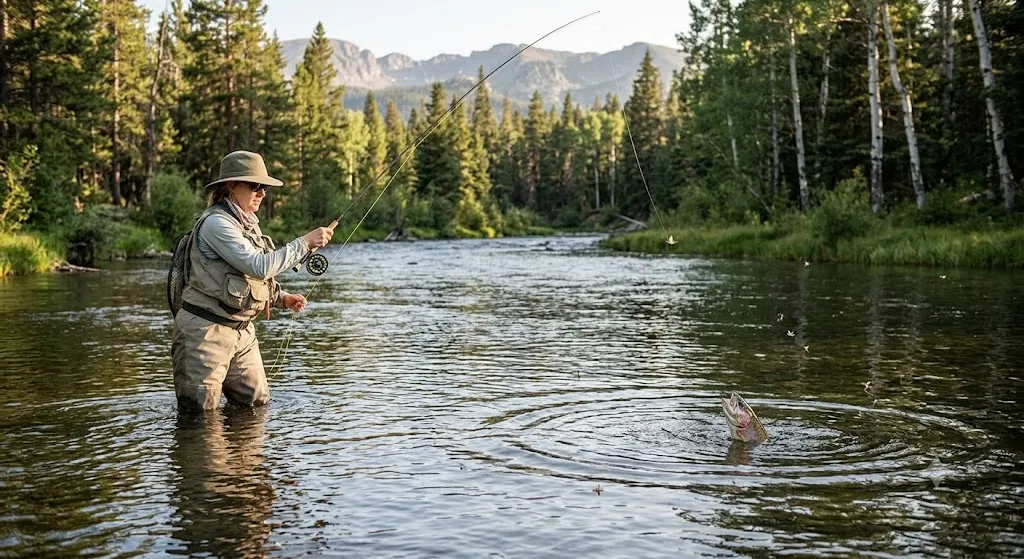
Flying Ant Falls: The Overlooked Late-Summer Trout Event
A flying ant fall is the most reliable dry-fly window of late summer once the mayfly hatches fade. Learn to recognize the trigger, why trout drop their guard, and how to fish cinnamon and black ant patterns in foam lines with 5-6X tippet.
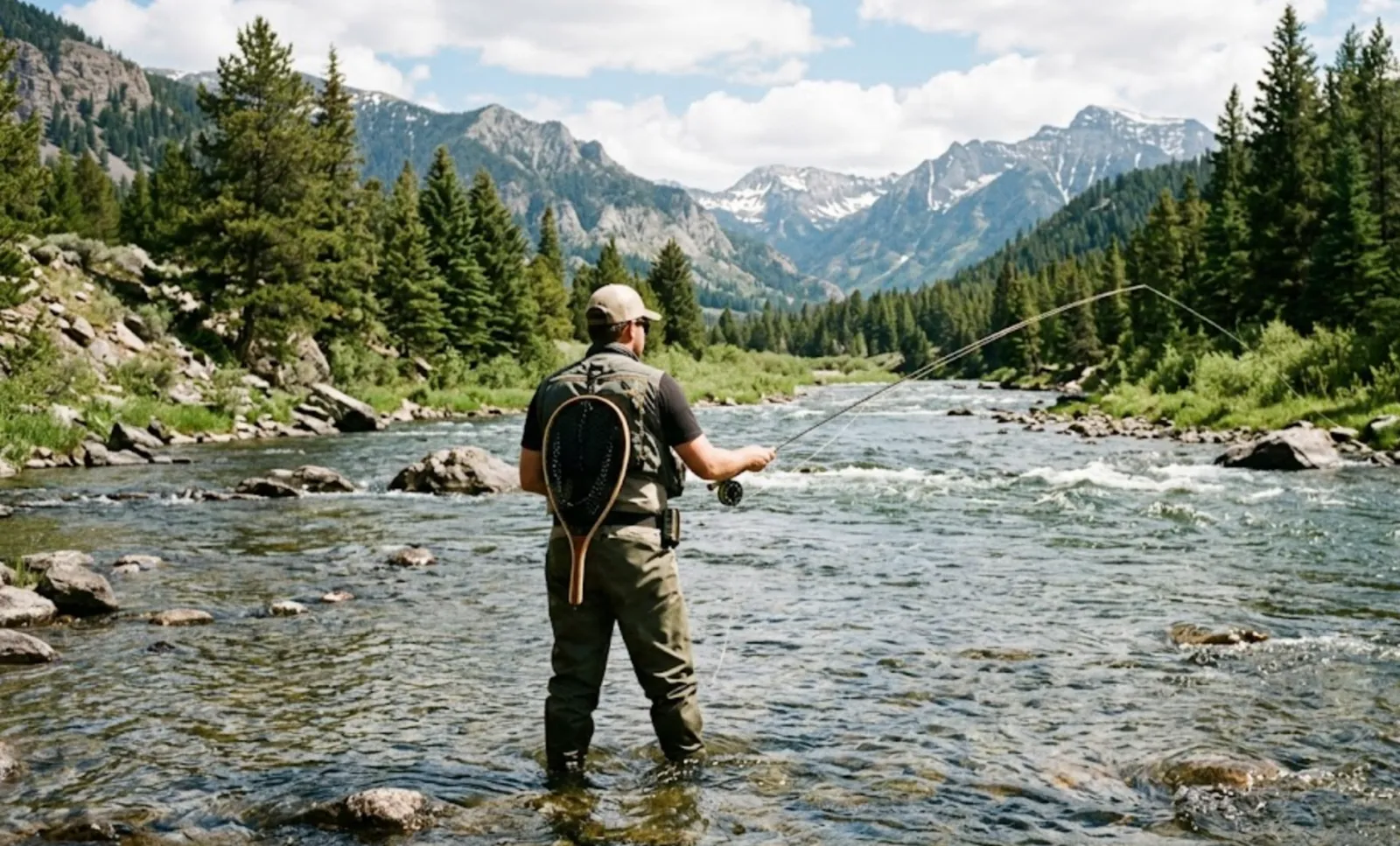
Trico Spinner Falls in July: The 7 AM Window Every Tailwater Angler Should Plan Around
The Trico spinner fall on July tailwaters runs on the kind of clock you can almost set a watch by. When the air hits 68F over slick water on the Bighorn, Missouri, or South Holston, you get a 90-minute window of size 22 dry fly fishing, then a second act with drowned spinners that almost nobody fishes.
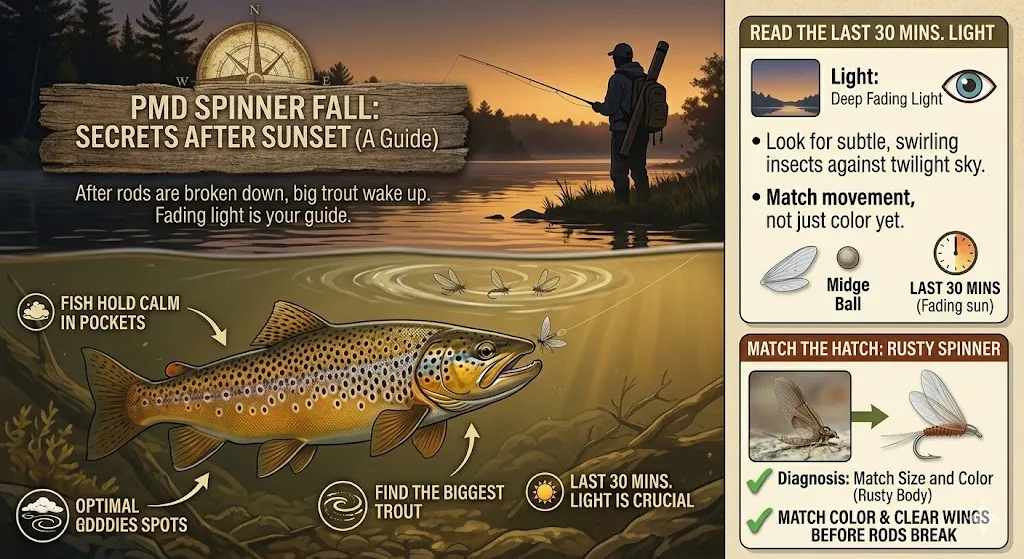
How to Fish the PMD Spinner Fall: The Evening Window Most Anglers Miss
The PMD spinner fall happens after most anglers have already broken down their rods. Here's how to read the last 30 minutes of light, find where spent spinners collect, and catch the biggest trout of the day on a rusty spinner pattern.
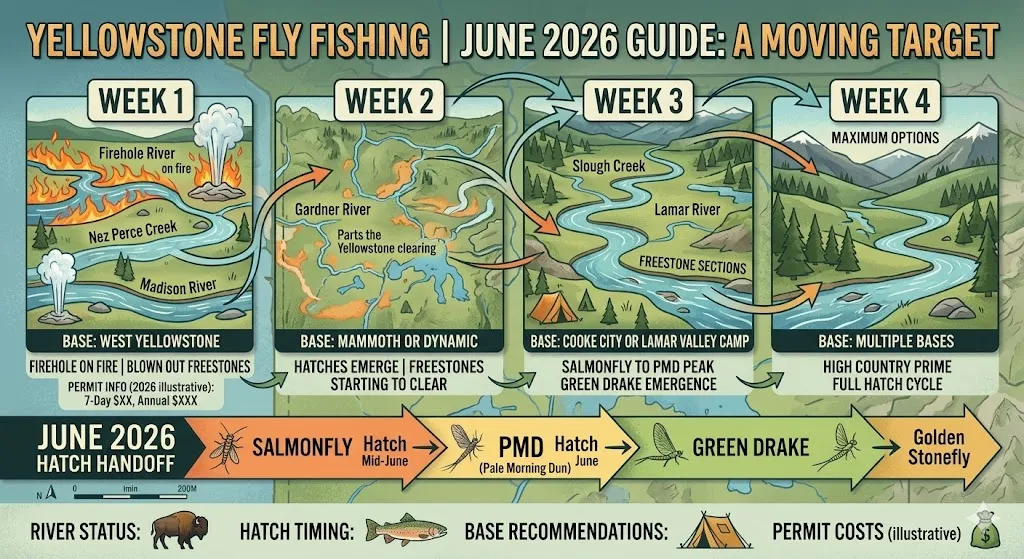
Yellowstone Fly Fishing in June 2026: A Week-by-Week Trip Planning Guide
Yellowstone fly fishing in June 2026 is a moving target. The freestones are blown, the Firehole is on fire, and every week shifts which river is the right call. Here's the trip-planning view: where to fish each week, where to base, what permits cost, and how to time the salmonfly-to-PMD-to-green-drake handoff.
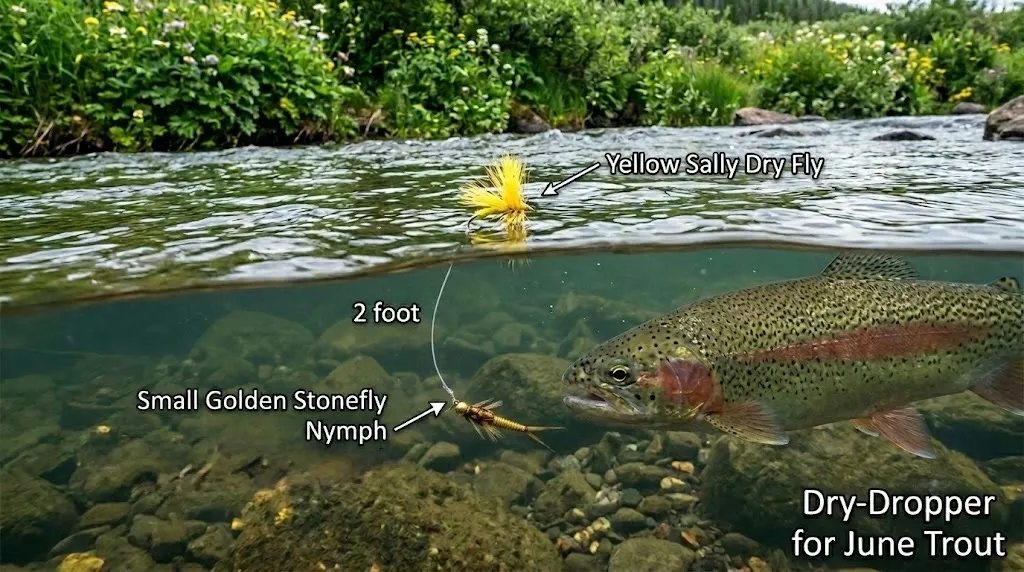
Yellow Sally and Golden Stonefly Dry-Dropper for June Trout
The salmonflies are done. Now what? A rig-by-rig guide to fishing a yellow sally and golden stonefly dry-dropper through late June and July on western freestones, with timing notes for the Madison, Big Hole, Yellowstone, Henry's Fork, and Green.
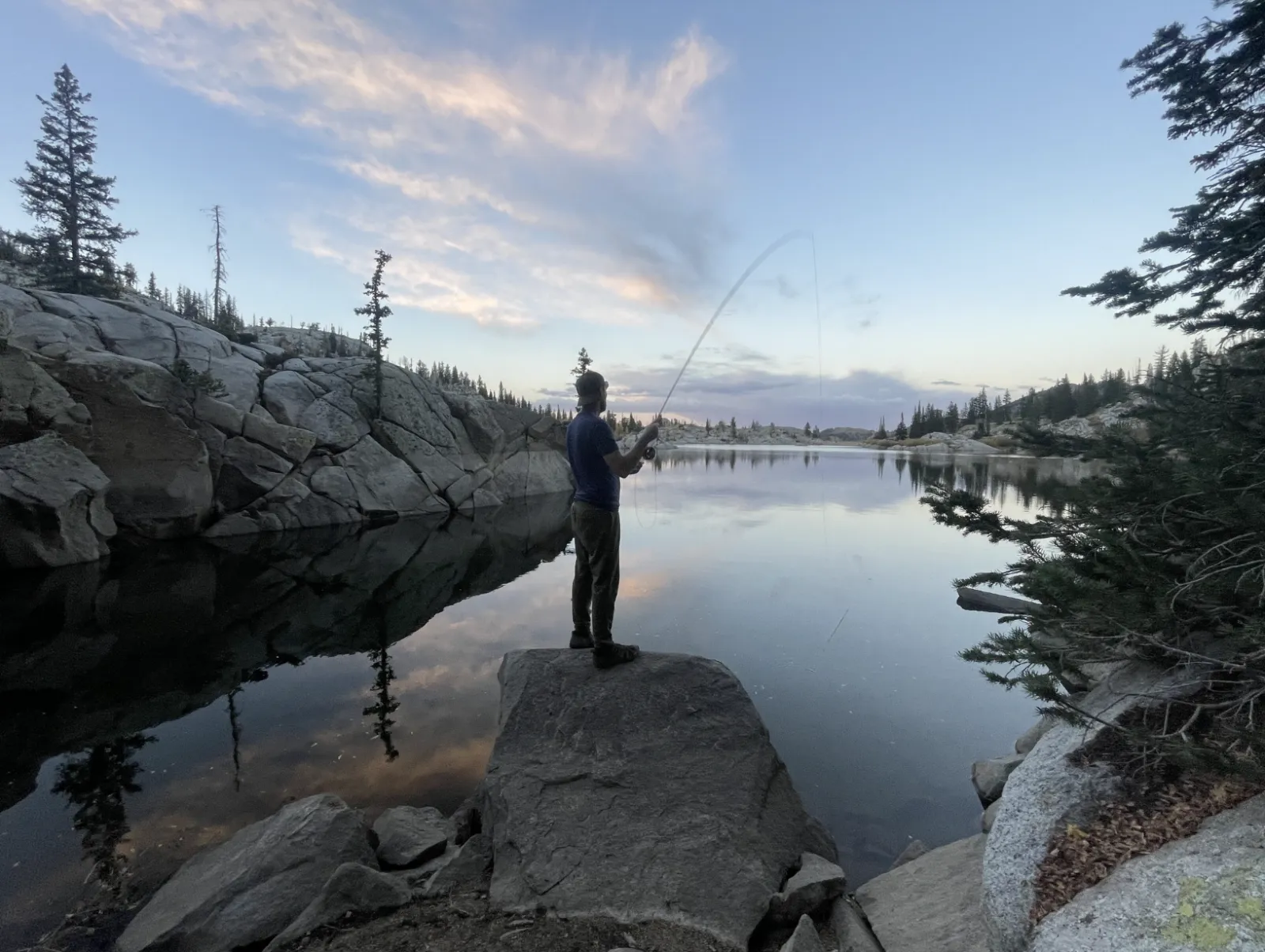
Stillwater Trout in June: Callibaetis and Damselfly Hatches on Western Reservoirs
June flips western reservoirs on. Here is how to read callibaetis vs damselfly hatches on Strawberry, Henrys, Hebgen, and Delaney Buttes, with a depth-and-retrieve table for chironomid, damsel nymph, and adult presentations.
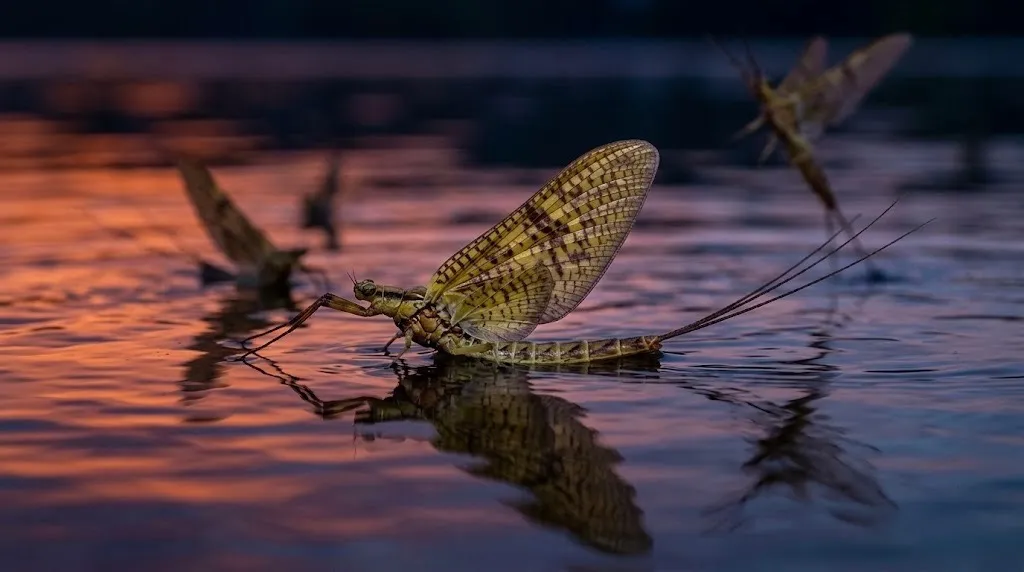
Hex Hatch 2026: Night Fishing the Hexagenia Limbata in Michigan, Wisconsin, and the Upper Midwest
A region-by-region guide to the 2026 hex hatch across the Upper Midwest. When the Au Sable, Manistee, Brule, Namekagon, and Wolf fire each night, the dusk window in clock terms, leader and fly setups for fishing in the dark, and how to read a Hexagenia limbata spinnerfall by ear.