Stillwater Trout in June: Callibaetis and Damselfly Hatches on Western Reservoirs
 Cameron Spanos
Written by Cameron Spanos
The first damsel nymph I ever saw migrate ashore on Strawberry Reservoir was olive-green, about the length of a paperclip, and it was being inhaled by a cutthroat from three inches under the surface in water that wasn't deep enough to cover the fish's tail. That was the moment stillwater trout fishing stopped being a mystery and started being a system. June is when that system goes live across the West. Stillwater trout in June are a different animal than the river fish anglers spend April chasing, and the calendar reasons are specific: surface temps climb through the mid-50s, callibaetis nymphs start their daily vertical commute, and the damsel migration that defines summer on western reservoirs ramps from a trickle to a parade.
This is the lake complement to river-season summer tactics. Same species, often the same drainages, completely different rules.
Western reservoir trout key on two main hatches in June: callibaetis mayflies (size 14-16, peak emergence 10am-2pm in 6-10 feet of water) and damselfly nymphs (olive, 1 to 1.5 inches, migrating shallow on bright mornings). Match callibaetis with a slow-rise hang under an indicator. Match damsels with a slow hand-twist retrieve parallel to weed edges in 4-8 feet.
Why June flips the switch on western reservoirs
Two things change in early June across reservoirs from Delaney Buttes (Colorado) up through Henrys Lake (Idaho) and Hebgen (Montana). Ice goes out, if it hadn't already, and the littoral zone, the shallow shelf where weed beds grow, breaks 45°F. That 45°F number is the threshold entomologist Rick Hafele identifies as the trigger for callibaetis emergence to kick into gear. Below it, nymphs feed but don't hatch in numbers. Above it, the lake starts dumping bugs into the column on a daily schedule.
The other thing that changes is angler density. Most of the West is chasing runoff in June. Freestone rivers are blown out, tailwaters are crowded, and the reservoirs sit there with maybe a third the pressure they will have by July 4th. If you don't own a float tube or kickboat, June is the cheapest month of the year to learn stillwater. Bank water is in play.
Strawberry Reservoir in Utah is a good case study. June fishing there can be excellent if you accept that the cutthroats and rainbows have spread vertically through the column rather than staying on one shoreline. According to Utah's Division of Wildlife Resources, the trout move offshore as the water warms and start cruising for damsels, scuds, and emerging callibaetis. Pin them down by depth, not by spot.
Callibaetis biology: what you are actually matching
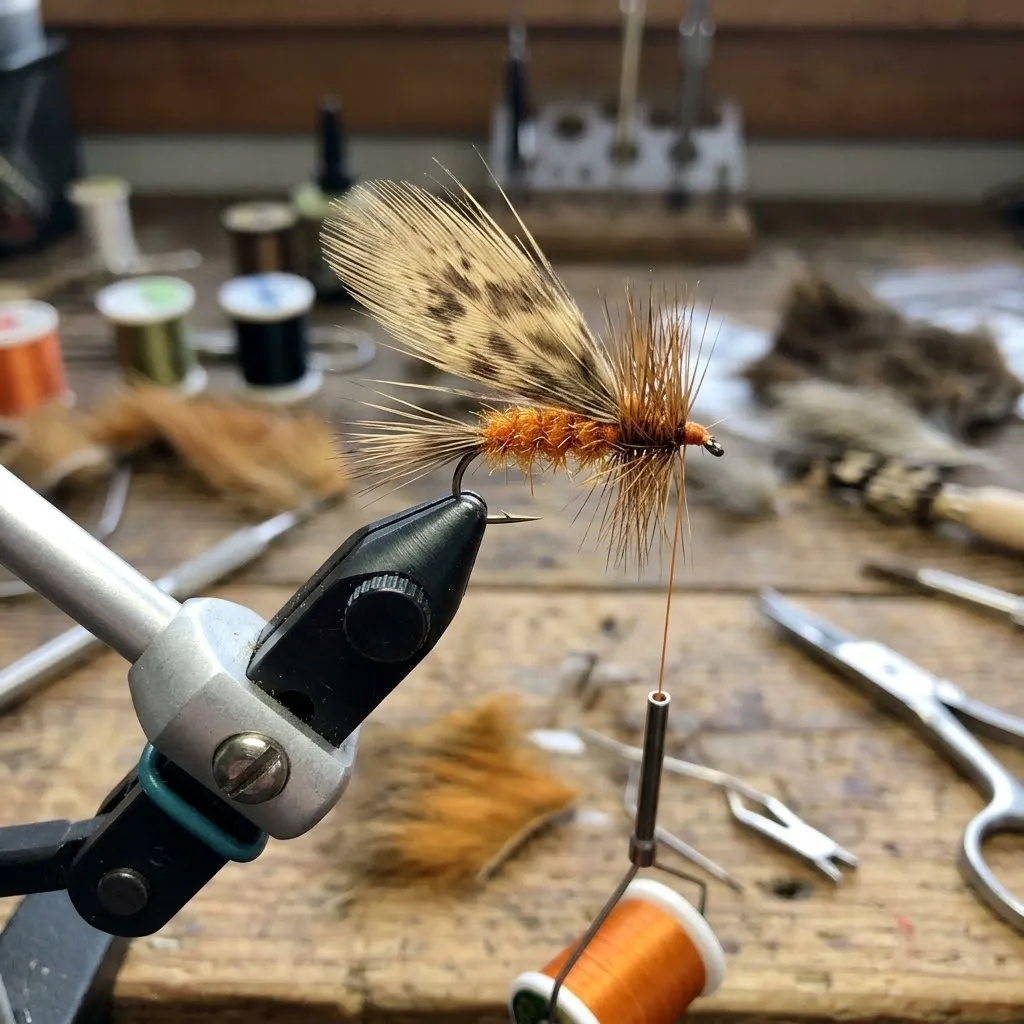
Callibaetis is the mayfly of the lake. There are no callibaetis hatches of consequence in moving water. They are clinger-swimmer nymphs that live in weed beds and woody debris in one to ten feet of water, according to research compiled by entomologist Rick Hafele. Three tails fringed with interlocking hairs let them swim in a dolphin-like undulation, which is exactly the motion your retrieve needs to suggest.
A few biology facts that change how you fish them:
- Three broods per year. The first brood, late May into June, produces the biggest bugs. Match with size 14 or 16. Later broods drop to size 18 by September.
- Emergence window is tight. Most callibaetis days the hatch starts around 11 a.m. and runs into early afternoon. Cold mornings push it later; overcast days can stretch it.
- Hanging duns. On a cold day a freshly emerged dun sits in the film for 30 seconds or more before flying. That sitting duck is what cruising trout key on.
- Spinner falls in late afternoon. Female callibaetis return to the water mid to late afternoon to drop eggs, which is a second feeding window most anglers miss because they have packed up.
The practical takeaway: callibaetis fishing is a clock, not a chase. Get on the water by 10:30 a.m., find a sheltered bay with weed beds in 6 to 10 feet of water, and wait for the first risers. If you are still moving boats at 11:15 a.m. you are behind.
Damselflies: the migration nobody markets
The damsel migration on a productive western lake is the single most reliable big-fish bite of the summer, and it gets weirdly underdiscussed compared to mayfly hatches on famous rivers. Here is the cycle. Damsel nymphs spend most of their lives crawling through weed beds in 8 to 25 feet of water. Some time in June, depending on lake elevation, they start a daily mass migration toward shore to climb out on reeds, logs, and stems to molt into adults.
That migration is what trout exploit.
The nymphs swim with a side-to-side undulation that the BC stillwater specialist Phil Rowley has compared to a sidewinder rattlesnake's track. They are not fast. They are steady, exposed, and 1 to 1.5 inches long. A 22-inch rainbow can vacuum twenty of them in twenty minutes without working.
You might also enjoy: Middle Provo River Wade Fishing: Access, Parking, and Hatches Mile by Mile
"Every morning from late June on, the damsel nymphs make their way into the shallows to emerge. This exodus to the shallows will bring trout from all over the lake to gorge on this daily migration."
(Phil Rowley, stillwater author and instructor, Phil Rowley Fly Fishing)
A few things to know before you tie one on:
- The migration triggers on sun. Bright morning sun warming the shallows is the cue. Overcast days are slower. Flat-calm and sunny is the holy grail.
- Color matters. Match the weed color. Most western lakes hold olive to lime-green damsels. Sandy-bottomed lakes can produce tan or even pale ghost-colored nymphs late in the season.
- The strike is rarely a slam. Cruisers eat damsel nymphs with confidence, often nosing up to the fly and then turning away with it. Watch your line, not your rod tip.
How do you tell callibaetis from damsel activity on the water?
This is the question that decides which fly box you reach into, and most anglers blow it on first look. The tells are subtle but separable.
Callibaetis activity looks like classic mayfly fishing translated to glass. Fish hold position. Sips are deliberate. Rises happen in clusters spaced fifteen to forty seconds apart as a fish tracks a hatch line. You will see actual duns on the water if you stop and look, usually drifting upright with their sails up, sometimes for thirty seconds or more before flying.
Damsel activity looks chaotic and shallow. Bow waves. Slashing rises within a rod length of the bank or weed edge. Fish moving fast in water you didn't think held a trout. You will not see many adults on the water during the migration. The adults that matter are the ones drying on the reeds after climbing out. If a trout is rocketing in 18 inches of water, it is almost always eating damsel nymphs.
If you see both, target the damsels. Bigger meal, more committed eats.
Depth and retrieve table
This is the cheat sheet I wish someone had handed me in 2019. Print it. Tape it to your rod tube. The depths reference 6 to 12-foot zones on a typical western reservoir; adjust shallower on flats lakes like Henrys, deeper on canyon reservoirs.
| Presentation | Depth | Leader / Indicator | Retrieve | Fly Size | Best Window |
|---|---|---|---|---|---|
| Chironomid pupa under indicator | 10-18 ft, fly 12 in off bottom | 14 ft fluoro, slip-strike indicator | Dead-still, twitch every 60 sec | 14-18, black/red/olive | Sunrise to 10 a.m. |
| Callibaetis nymph, slow-rise | 6-10 ft, suspend mid-column | 12 ft fluoro, balanced indicator | Pause 30 sec, 6-inch lift, pause | 14-16, gray-brown PT | 10 a.m. to 1 p.m. |
| Callibaetis emerger / dun | Surface | 12 ft, 5X tippet, no indicator | Dead drift, occasional twitch | 14-16, parachute or sparkle dun | 11 a.m. to 2 p.m. |
| Damsel nymph, retrieved | 4-8 ft, parallel to weed edge | 10 ft, intermediate or floating line | Slow hand-twist with 2-inch strips | 10-12, olive marabou | 9 a.m. to 1 p.m. on sun |
| Adult damsel, cripple, or returning | Surface near reeds | 9 ft, 4X tippet | Cast on cruisers, twitch sparingly | 10, blue or olive foam | Afternoon, sunny, calm |
| Callibaetis spinner | Surface, open water | 12 ft, 5X | Dead drift, no movement | 16, rusty spinner | 4 p.m. to 7 p.m. |
A note on chironomids. They get lumped into the same conversation but they are their own world. June chironomid fishing is the morning warm-up before the mayflies and damsels turn on. If you are on the water at 6 a.m. and the lake is glass, fish midges deep and slow. By 10:30 a.m. switch over.
Where to actually do this
The reservoirs that built the modern stillwater playbook are not secrets, but each one fishes a little differently in June. A short scouting list:
Strawberry Reservoir, Utah
The Utah Division of Wildlife Resources classifies Strawberry as a blue-ribbon fishery. June targets are cutthroat and rainbow, with kokanee staging deeper. Damsel migration is heavy on the Soldier Creek side along the brushy bank. Callibaetis hatches show up on calm afternoons in the Mud Creek arm.
You might also enjoy: Weber River Brown Trout: Where to Find Trophy Browns Below Rockport
Henrys Lake, Idaho
Idaho Fish and Game manages Henrys as a trophy fishery with hybrid cutthroat, brook trout, and Yellowstone cutthroat. June damsel emergence is what put this lake on the map. Fish the inlets early, then move to weed bed edges as the sun climbs. The lake warms fast, and IDFG fishing reports note that by late June the fish drop into deeper water in the afternoons.
Hebgen Lake, Montana
Hebgen sits at 6,500 feet on the Madison River system. Callibaetis and damsels coexist with the famous gulper rainbow fishery that takes over later in summer. June here is the warm-up. Watch the southwest bay.
Delaney Buttes, Colorado
Three lakes managed by Colorado Parks and Wildlife. North Delaney holds the biggest trout. The damsel migration on East Delaney in mid to late June is one of the more reliable sight-fishing setups in the Rockies. Polarized glasses are not optional.
Pyramid-style alkaline lakes
Pyramid Lake in Nevada itself is a Lahontan cutthroat fishery and a different game (no callibaetis to speak of), but its alkaline cousins, especially Crowley Lake on the eastern Sierra, fish the callibaetis hatch as well as anywhere on the continent. Crowley in June is a destination, not a side trip.
What rod and line setup actually matters?
Most lake anglers overrod and underline. A 9-foot 5-weight is fine for callibaetis dries and damsel nymphs in calm conditions. If you are throwing chironomid rigs with 14 feet of fluoro and an indicator, bump to a 9-foot 6 or even a 10-foot 6-weight to load that leader. The 10-footer is the unsung hero of stillwater. The extra length helps with hook sets at long distance and with mending around an indicator.
Lines: a floating line covers 80% of June stillwater. Add an intermediate (sinks 1 to 2 inches per second) for damsel nymph fishing along weed edges. A type III sinking line is overkill in June for most water; save it for August deep work.
The contrarian take: most people fishing stillwater are using too short a leader. Lake fish are spooky in glass conditions. If you are running 9 feet of leader at an indicator, you are getting refused fish you do not even know about. 12 to 14 feet of fluorocarbon is the minimum on the days that matter.
Logging the pattern
June stillwater fishing rewards data in a way that river fishing doesn't. The variables matter (water temp, wind direction, hatch onset time, depth that produced) and they repeat. The angler who writes down what hatched at 11:14 a.m. in 7 feet of water on the north shore in 58°F water is the angler who shows up on June 22nd next year and catches fifteen fish before lunch. Use a notebook or log your catches in Bushwhack so the patterns stack year over year. A reservoir with three years of logged hatch onsets is no longer a guessing game.
When should you call it a day?
Stillwater trout get stressed by warm water faster than river fish because they have nowhere to slide down into a cold seam. Once surface temps push past 68°F sustained, even in June, the bite shuts off in the afternoon and you should be off the water by noon. The water-temperature rule is the same on lakes and rivers: a thermometer is the cheapest piece of gear in your pack and the one most anglers don't carry.
The fishing window in June is wide. The fishing window in late July is the first three hours of light. Use June while you have it.
Get fishing tips in your inbox
New guides, seasonal tactics, and gear picks — about once a month, no spam.