Hex Hatch 2026: Night Fishing the Hexagenia Limbata in Michigan, Wisconsin, and the Upper Midwest
 Cameron Spanos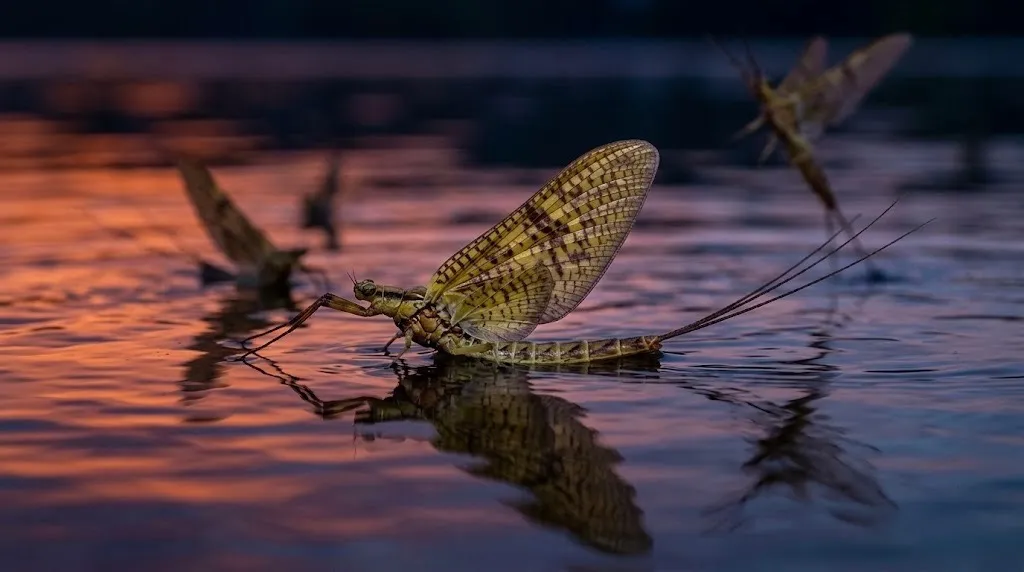
Written by Cameron Spanos
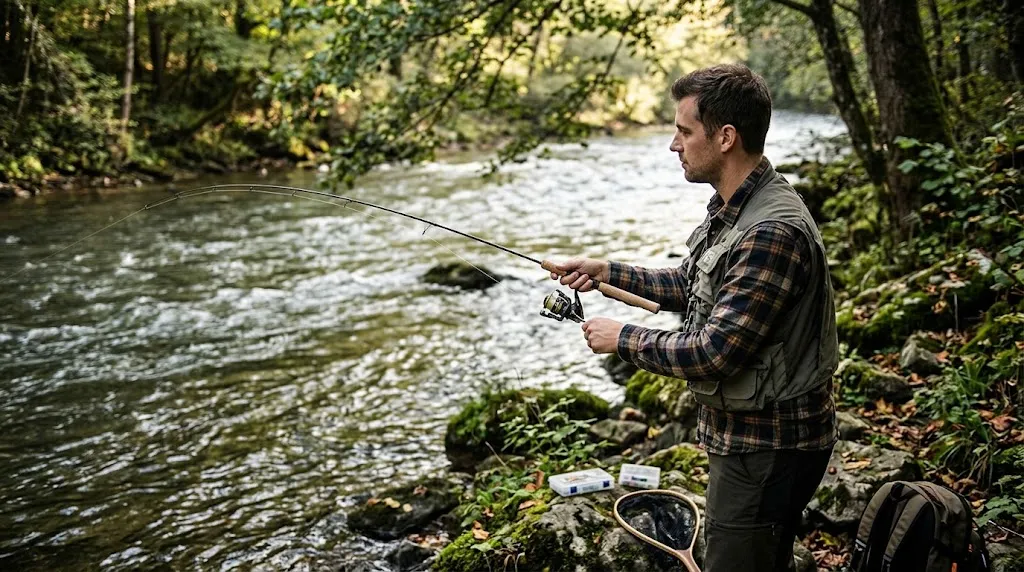
The first hex spinner to hit my hat band every June makes the same papery thud as a wet leaf, except a wet leaf doesn't crawl down your collar. That's the signal. Hat band, then headlamp off, then the rises start, and you have about ninety minutes to make something happen on water you can't really see.
The Hexagenia limbata emergence across the Upper Midwest is the one hatch where the biggest brown in the run loses its mind. Browns that spent the daylight hours of June buried under a logjam will sit in two feet of slow water and slurp size-6 mayflies off the surface like rainbows on a tailwater. Miss the window and you miss the year. The hatch arrives, peaks, and is gone in roughly two and a half weeks per river, and any given night is a coin flip on weather.
This is the regional companion to our Western hatch coverage. Salmonflies and green drakes are the Rocky Mountain headliners; in the Midwest, the hex is the whole show.
When does the hex hatch start in 2026?
The trigger is water temperature, not the calendar. Hexagenia nymphs emerge when bottom temperatures hold in the mid-60s for several consecutive evenings, which in a typical year happens between June 15 and July 10 across the Upper Midwest. According to the U.S. Geological Survey's life-cycle study of Hexagenia limbata in the St. Marys River, nymphal emergence tracks mean surface water temperature closely enough that biologists use the timing as a population-structure indicator.
Lakes warm faster than rivers. Hawkins Outfitters notes that hexes typically pop on northern Michigan lakes 7 to 10 days before the connected rivers, which makes lake reports a useful leading indicator if you have a buddy fishing Higgins or Houghton.
Spring 2026 has run warm-to-average across most of the Midwest. Expect the lower Au Sable to fire on the early end of its normal window, and the colder northern Wisconsin rivers to track normal. None of this matters if a cold front parks over Lake Superior the third week of June. Have a backup river.
Au Sable River, Michigan: the Holy Water and South Branch
The Au Sable is the spiritual home of the hex hatch. It's also five different rivers wearing one name.
The Mason Tract section of the South Branch and the lower Holy Water typically fire first, usually June 18 through June 28 in a normal year. The upper Holy Water and the Wakeley Bridge stretch run a few days behind. The lower river below Mio runs latest, sometimes into the first week of July.
Peak dusk window
On the Au Sable in late June, official sunset is around 9:25 PM. The first stoneflies and brown drakes come off around 9:15. Hexes start hitting the surface in real numbers between 9:45 and 10:15, depending on cloud cover. Cloudy nights start earlier. Clear nights with a moon push everything later, sometimes past 10:30, and the spinnerfall on a moon night can drag past midnight.
Plan to be standing in the water by 8:30 PM at the latest. The walk in is bad enough in daylight; doing it with a headlamp on a strange piece of water is how rods get broken.
What to fish
The Au Sable browns have been stung. Hawkins Outfitters runs a 2X, 6-foot leader straight to the fly with no added tippet, and that's the right call here. Foam-bodied size-6 dries with a tall white post let you track the fly on the moon nights. Robert's Yellow Drake variants in size 6 and Ed McCoy's hex patterns are the local standards, but a deer-hair extended-body parachute does just as well on a fish that's never seen one.
Manistee River, Michigan: bigger fish, dirtier water
The Upper Manistee runs warmer, browner, and bigger on average than the Au Sable. Above CCC Bridge and down through the canoe water, the hex hatch tends to lag the Au Sable by three to five days. The Northern Angler in Traverse City reported the hex going on the Manistee in late June 2025 during a heat wave that pulled the whole hatch forward by nearly a week, which gives you a sense of how weather-dependent this is.
You might also enjoy: Middle Provo River Wade Fishing: Access, Parking, and Hatches Mile by Mile
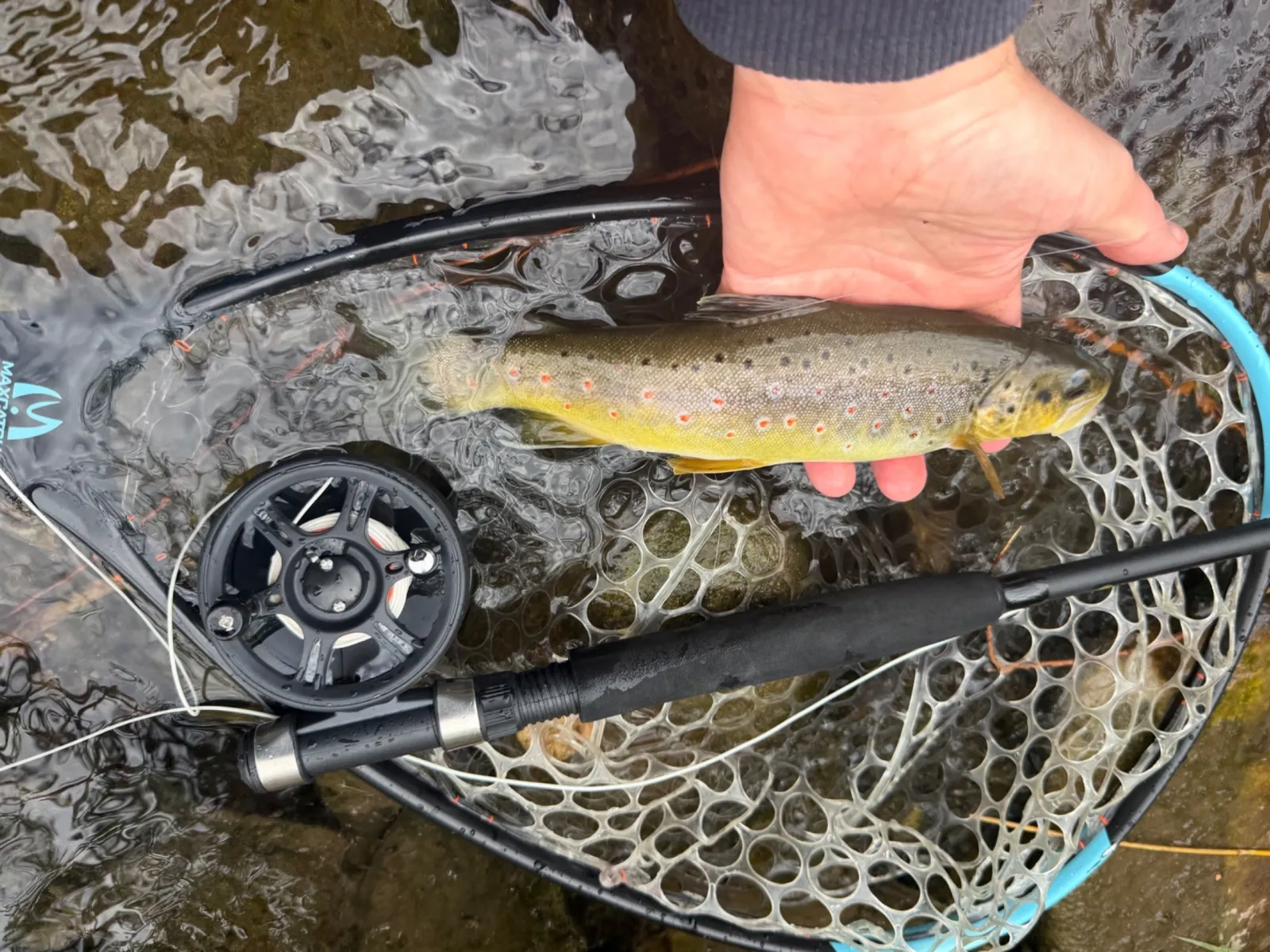
The Manistee is where you have a real shot at a 24-inch brown on a dry fly. Mangled Fly Guide Service recommends going to 0X or 1X leaders here when you're targeting the big ones, because losing fish to break-offs after midnight on a fly you can't see again until next June will ruin your summer.
Best stretches: the slow flat water above and below CCC Bridge, anywhere with silt banks and overhanging cedars. The fly the hex nymph burrows into is fine, dark sediment. No silt, no hex.
Brule River, Wisconsin: cold water, late peak
The Bois Brule is Wisconsin's marquee steelhead river. It's also one of the better hex rivers in the state, mostly because nobody fishes it for hexes. Everyone's at home grilling.
The Brule runs cold. The hex peak here lags the Manistee by another five to seven days, putting prime time in the first week of July. The Duluth News Tribune has run features on the Brule hex draw for years, and the consistent note is that the hatch concentrates in the meadow stretches below Stones Bridge and in the slow water around Winneboujou.
Mosquitoes on the Brule in July are biblical. Bring a head net you can actually fish in. The standard buff-over-the-face setup fogs your glasses and you already can't see the fly.
Namekagon River, Wisconsin: the flat-pool specialist
The Namekagon below Hayward holds the kind of slow, weedy, frog-water pools that hex nymphs love. Wisconsin Fly Fisher's hatch chart puts the Namekagon hex window from roughly June 25 through July 10, with the best nights coming after a stretch of 80-degree days.
This is the Wisconsin river to fish if you're new to the hex. The pools are wadable, the banks are walkable in the dark, and the browns aren't as educated as their Au Sable cousins. A size-6 foam hex with a parachute post in white or chartreuse will fool plenty of fish here.
Wolf River, Wisconsin: the late-night premiere
The Wolf is the premier Wisconsin hex destination according to multiple state hatch charts, and it earns the reputation. The rocky, fast upper Wolf isn't the play. You want the slower meadow water on the lower river, between Markton and Langlade, where the silt banks support actual hex populations.
Wolf River hexes peak late June through early July. The river holds wild browns and stocked rainbows that key on the hex hard, and because the Wolf gets warmer than the Brule, the dusk window starts earlier (closer to 9:30 PM than 10:15).
How do you fish a hex hatch in the dark?
You don't sight-fish. You ear-fish.
Wade in before dusk and pick a single fish to listen for. Not a pod, not a stretch. One rise. The hex rise is unmistakable: a slow, deliberate sluuurp, not the splashy quick rise of a caddis or a recreating chub. Big browns eating hexes sound exactly like someone slowly pouring out a glass of water. If you hear that sound and ten seconds later you hear it again from the same spot, that's your fish. Mark the location with a snag on the far bank or a particular tree silhouette.
Then cast upstream of where you heard the rise, by about six feet, and let the fly drift through. Don't strike on the sound. Strike on the pull. There's almost always a half-second delay between the slurp and the fish actually closing on a fly, and yanking on the audio cue pulls the fly out of the fish's mouth half the time.
You might also enjoy: Weber River Brown Trout: Where to Find Trophy Browns Below Rockport
How to read a hex spinnerfall by ear
A hex spinnerfall sounds different from the emergence. The emergence is irregular: a rise here, a rise twenty feet downstream, a long pause. The spinnerfall is a chorus. When the spent females hit the water around 11 PM, every fish in the run starts feeding at the same cadence. If the rises sound metronomic and overlapping, you're in a spinnerfall and you should switch from your emerger pattern to a spent-wing spinner. If the rises are scattered, you're still in the emergence and a dun pattern is fine.
The hardest skill to learn is distinguishing a small fish from a big fish by sound alone. A 10-inch brook trout makes a pleasant little kiss. A 22-inch brown makes a sound like a softball dropped into a bathtub. If you hear the bathtub sound, stop casting at the small fish and walk toward the bathtub.
Leader and fly setup for fishing in the dark
The MeatEater hex guide recommends going up to a 6 or 7-weight rod, and that's right for the Au Sable and Manistee where you might hook a 25-inch fish. The Brule and Namekagon are happy with a 5-weight.
- Use a short, stout leader. A 6-foot 2X knotless leader straight to the fly is the local standard on the Au Sable. If the fish are picky in the spinnerfall, add 18 inches of 3X fluoro to drop the fly size to a 8.
- Pre-rig everything. Tie on the fly while you can still see, then check the knot twice. Carry a backup leader already nail-knotted to a tippet ring in your pocket, so a break-off doesn't end your night.
- Use a fly you can hear or feel. Foam-bodied flies push more water and make a louder rise sound when a fish eats them. Hair-bodied flies disappear into the surface noise. Many anglers run a glow-in-the-dark post (the Thing-a-ma-Hex pattern from Current Works Guide Service is the popular tied version) to track the fly on moon nights.
- Set the hook on resistance, not sound. Wait until you feel the fish, then lift firmly to the side, not up. A trout-set on a 25-inch brown with a 2X leader breaks rod tips.
The hex etiquette nobody talks about
Hex water gets crowded in late June. The Holy Water at dusk in peak week has more anglers per linear foot of river than any other fishing situation in the Midwest. A few rules that keep the night civil:
Don't run a headlamp once it's dark. White-light headlamps over the water put down every fish in a 50-foot radius. If you need to retie, walk to the bank and use a red light, hooded.
Don't wade through another angler's run. Sound carries on the water at night and a sloppy wade ruins twenty minutes of someone else's hatch. Walk the bank, even if it's longer.
If you hook a big fish, call it out. Other anglers will give you the run to fight it. Return the favor when they hook up.
The Au Sable Holy Water is a flies-only, catch-and-release stretch. Pinch your barbs. Land the fish fast. A 25-inch brown that just spent five minutes on a 6-weight in 70-degree water needs a long, careful revive. Don't shortcut it for a phone-flash photo.
What about the moon?
The folk wisdom on the Au Sable is that a bright moon shuts off the hex. That's half-right. A full moon doesn't kill the hatch (the bugs come off regardless) but it does push the peak feeding window later and makes the fish spookier. A new-moon night with overcast skies and 75-degree air at 9 PM is the perfect hex night. Track lunar phase on the Bushwhack solunar calendar if you're planning a trip from out of state. The week before and after the new moon is your best block.
Logging the night
The hex hatch is a small-data problem. You get maybe twenty fishable nights per year across all five of these rivers combined, and the variables (water temp, air temp, cloud cover, moon phase, hatch density) matter enormously. Most anglers can't remember by August what they did right in June. Bushwhack exists for exactly this. Log the conditions and the fly that worked on a 22-inch brown at 10:47 PM on the South Branch, and next June the dashboard remembers for you.
The hex hatch is the closest most of us will ever get to fishing the salmonfly hatch out West without buying a plane ticket. Two and a half weeks, after dark, in cedar swamps full of mosquitoes, with a chance at the biggest trout of your life on a dry fly. There is nothing else like it.
Get fishing tips in your inbox
New guides, seasonal tactics, and gear picks — about once a month, no spam.