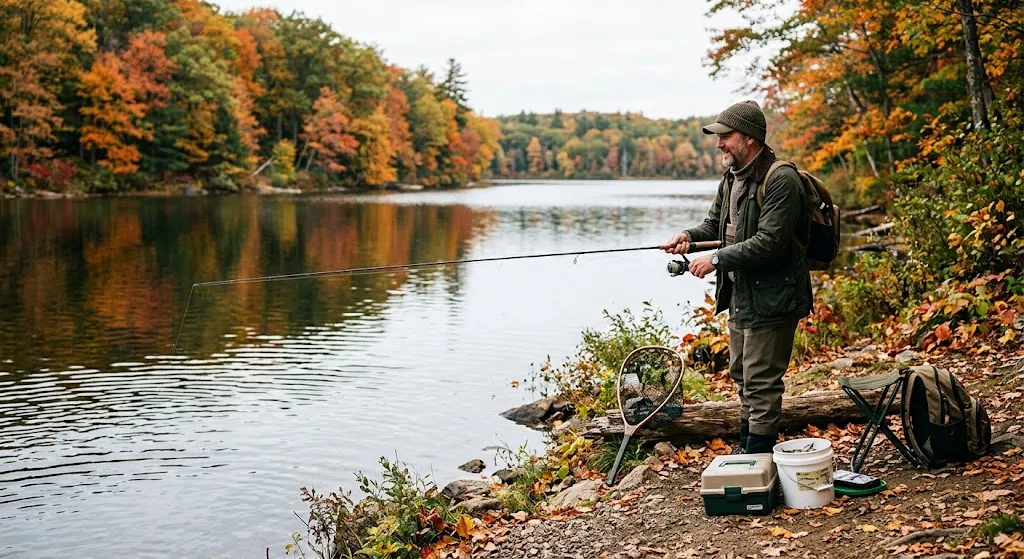
Best Time of Day to Fish in Fall (By Species): The Cooling-Water Timing Table
The best time of day to fish in fall flips twice in about ten weeks, and the trigger is surface temperature, not the calendar. Here's a species-by-species timing table for bass, trout, walleye, crappie, and catfish, with the water temperature at which each one moves its bite from dawn to midday.
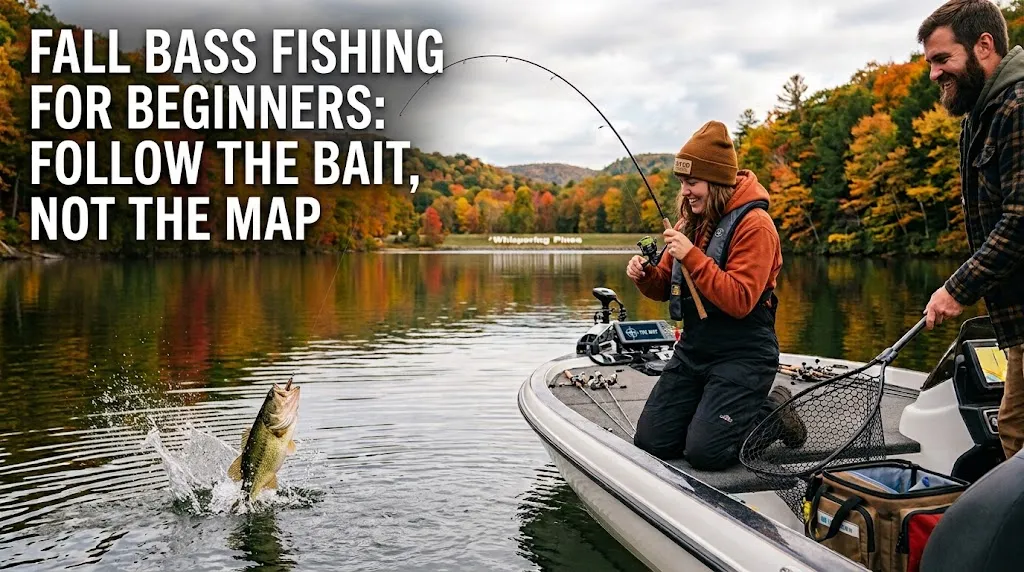
Fall Bass Fishing for Beginners: Follow the Bait, Not the Map
Fall bass fishing for beginners is a bait problem, not a map problem. Here is the whole transition as a temperature ladder: 75 degrees down to 45, where bass sit at each step, and what to tie on.
Best Blade Baits for Fall and Winter Bass Under $12 (2026)
The best blade baits for fall and winter bass, all verified in stock under $12 a bait, plus a silver-gold-perch color rule keyed to what your lake actually eats.
How to Tell if Your Lake Has Turned Over (And What to Do for the Next Two Weeks)
Every turnover article explains the physics. None of them tell you how to tell if your lake has turned over this week. Here's the surface-to-bottom temperature test, the four field signs worth trusting, and what to do with the two or three unsettled weeks that follow.
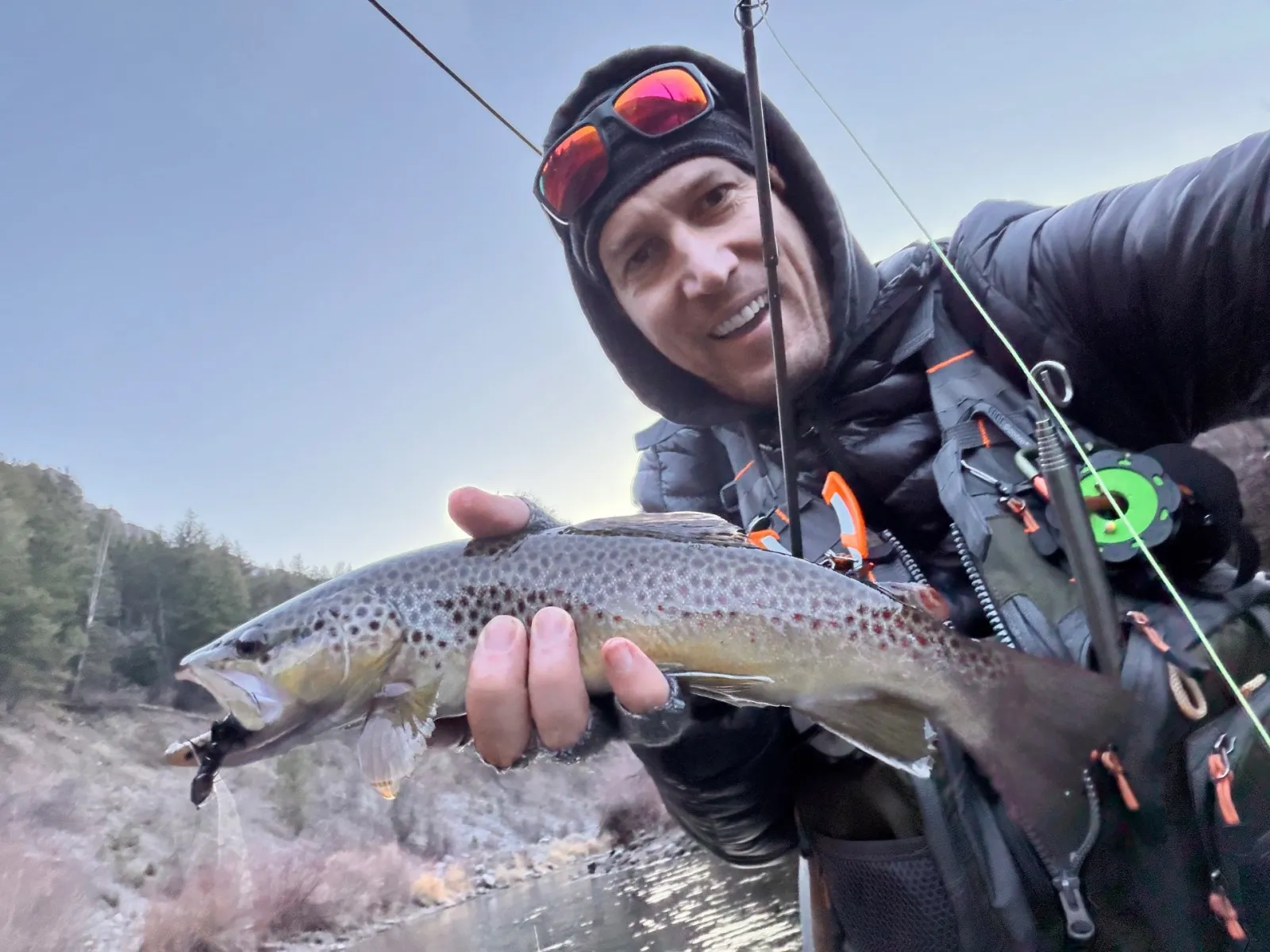
Streamers for Pre-Spawn Brown Trout: A Water Temperature Playbook
Pre-spawn brown trout eat streamers on a thermometer, not a calendar. What to throw from 58F down, why the bite turns violent through the low 50s, and the temperature where you reel up and walk away.
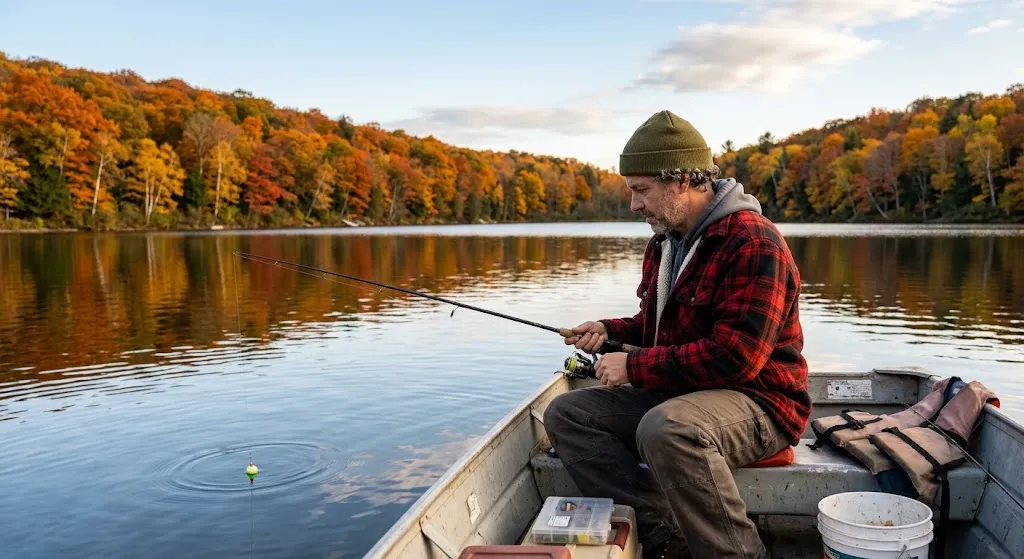
Where Do Crappie Go in the Fall? A Depth and Temperature Guide From Turnover to First Ice
Where do crappie go in the fall? They follow cooling water down and out, one temperature band at a time. Here is the whole progression: suspended over summer brush near 65F, scattered while the lake turns over, stacked on deep timber and creek channel bends from 60F to 50F, then settled into the basin holes below 45F that become your first ice spots in December.
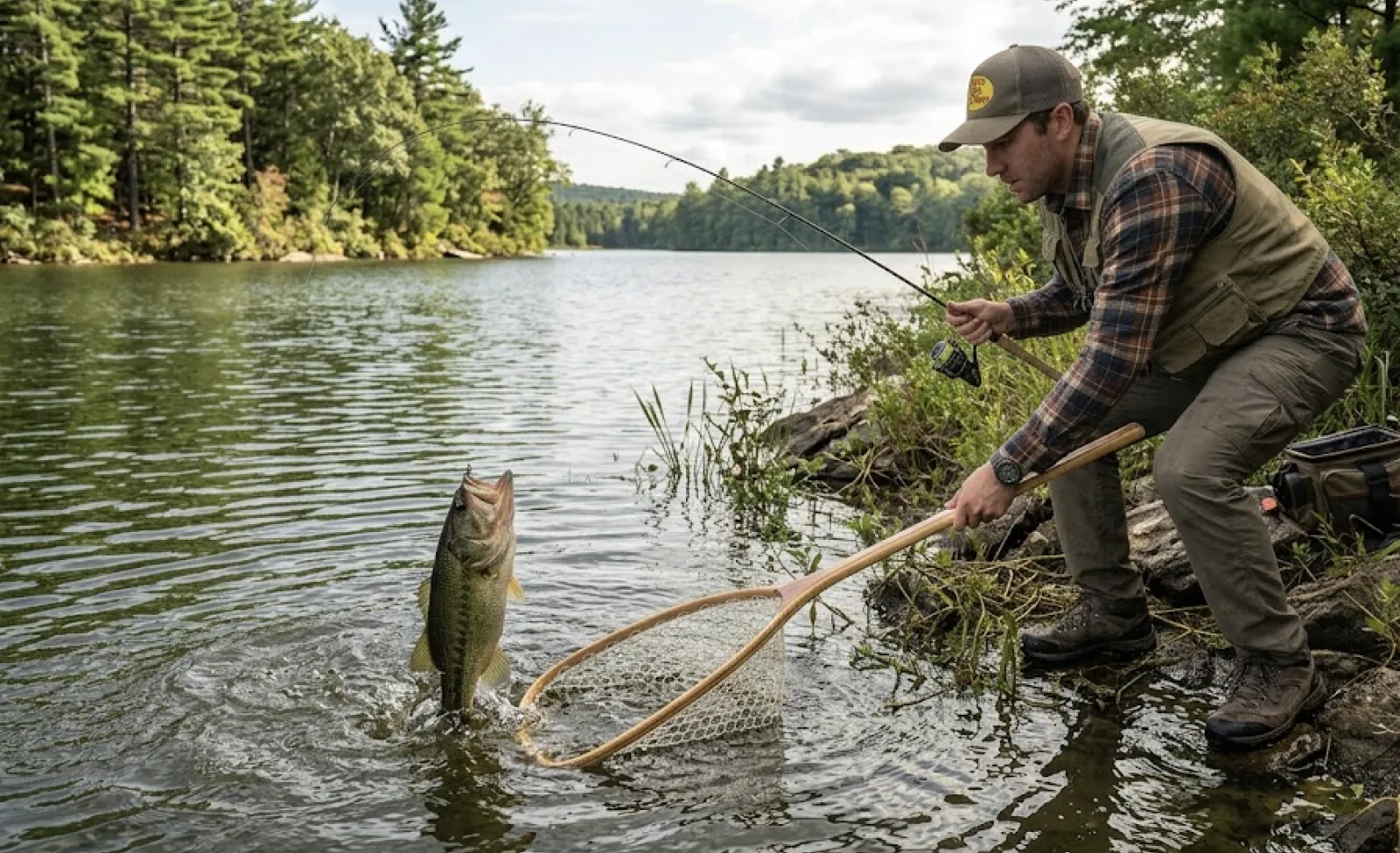
Best Suspending Jerkbaits for Fall Bass (2026): Picks by Water Temp & Clarity
The best suspending jerkbaits for fall bass, ranked by water temperature and clarity, plus how to fish the pause and pick colors for chasing schooling shad.
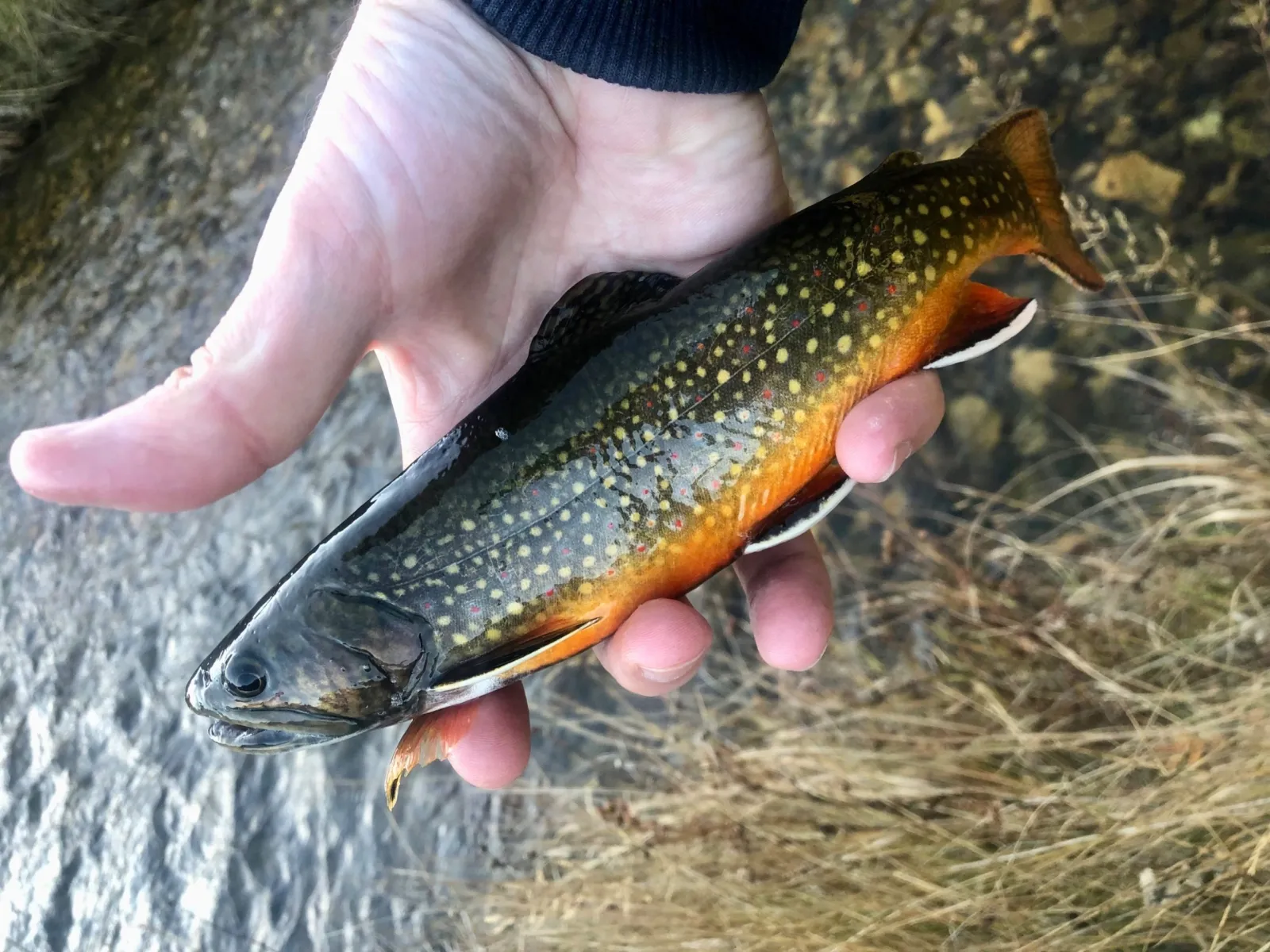
Blue-Lining for Wild Brook Trout: The Cool-Water Refuge Play for Summer Heat
Blue-lining for wild brook trout is the cool-water refuge play for July heat. How to read a topo map for tiny headwater streams, fish tight canopy with a bow-and-arrow cast, and back off when the water warms.
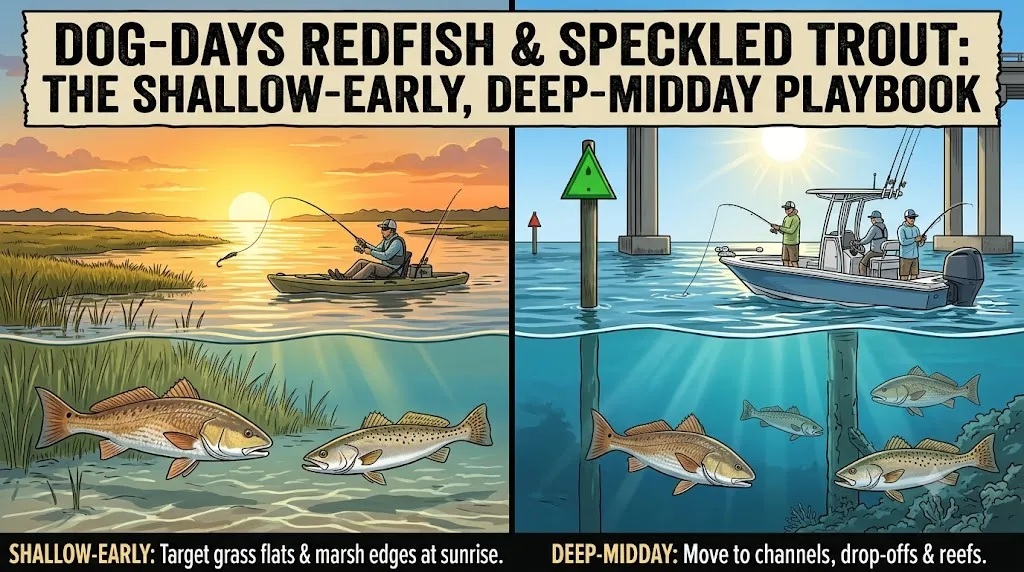
Dog-Days Redfish & Speckled Trout: The Shallow-Early, Deep-Midday Playbook
By nine in the morning in late July, most boats are heading for the ramp. That's the mistake. The dog days redfish and speckled trout pattern isn't one bite that dies at sunrise, it's a moving target: shallow grass and tidal creeks at first light, deep channels, potholes and shaded docks as the water climbs past 80 degrees, then dock lights after dark. Here's how to chase it all day.
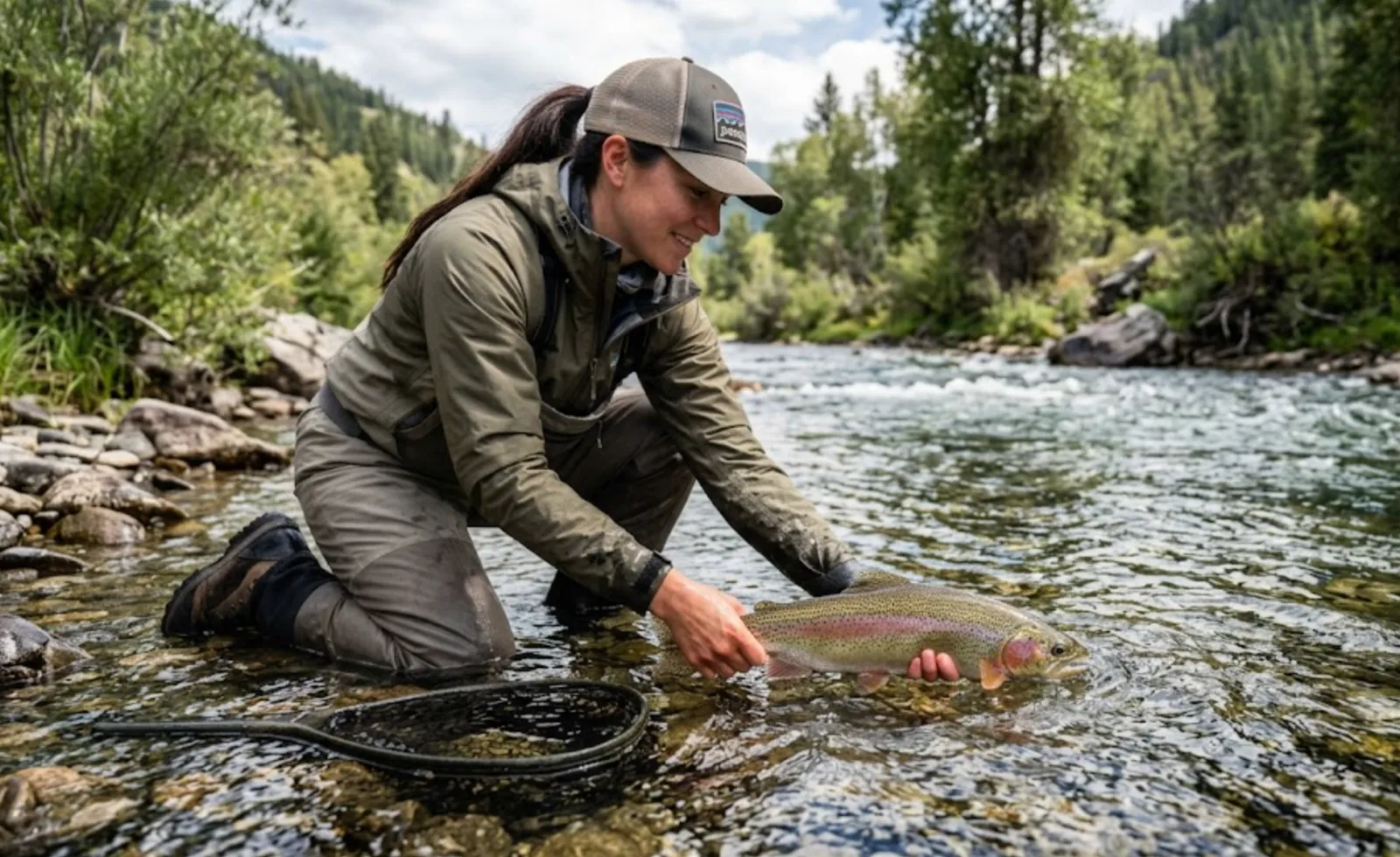
How to Release Fish in Summer Heat So They Survive
Learning to release fish in summer heat is less about your hook and more about the clock, the air, and the water temperature. The 10-second air rule, wet-hands handling, horizontal cradling, when to cut a gut hook, and the temp where you should stop catch-and-release entirely.