Best Fishing Coolers 2026: Hard vs Soft for Truck, Boat, and Kayak
 Hudson Reed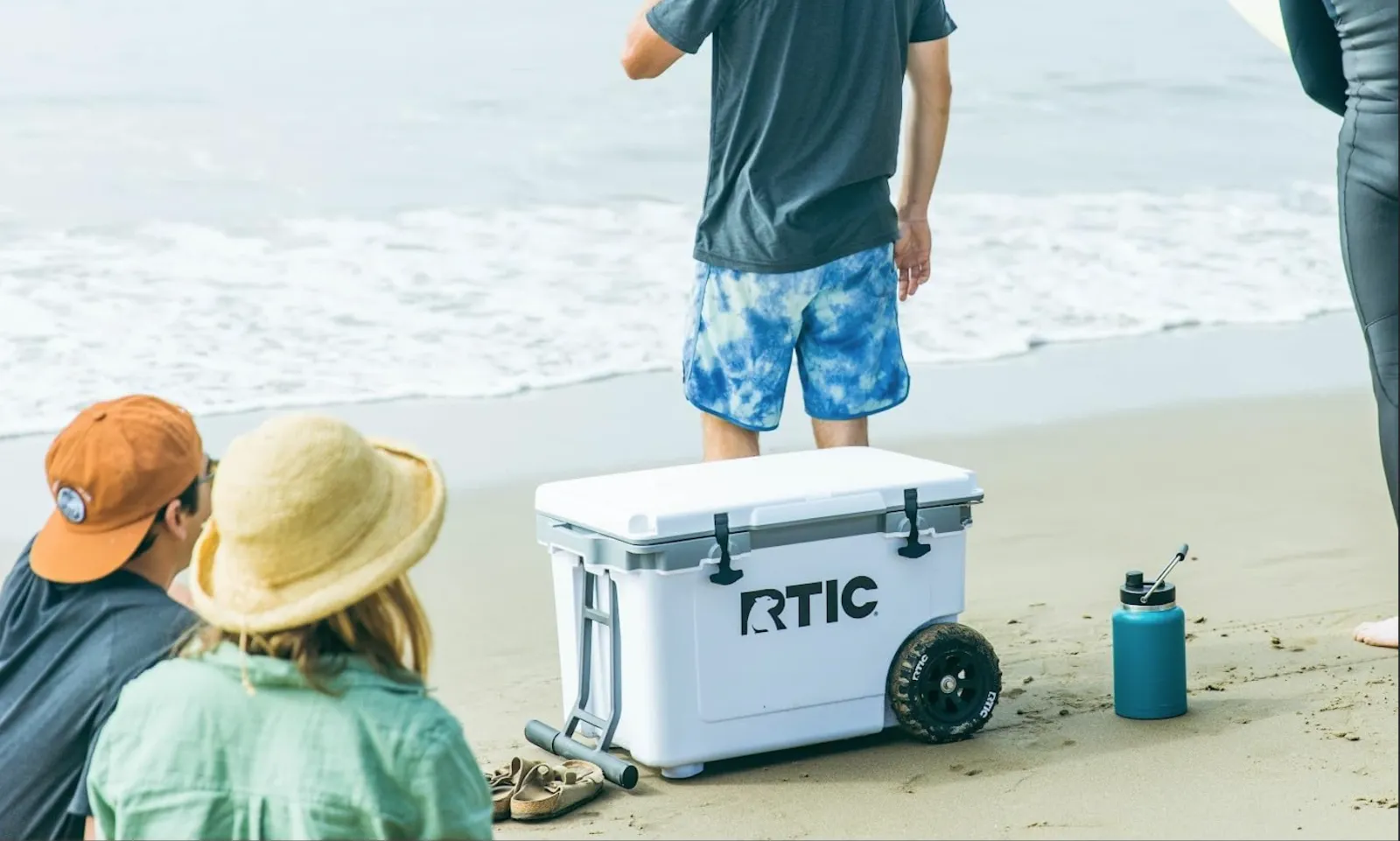
Written by Hudson Reed
The fastest way to start a fight at the boat ramp is to ask whether a $300 cooler is worth it. Half the lot swears by their dented Igloo from 2009. The other half won't put a fish on ice in anything that isn't rotomolded. Both are kind of right, and the honest answer to the best fishing coolers 2026 question depends entirely on where the cooler rides: a truck bed and a kayak deck want completely different things.
So this isn't a generic cooler list. It's a fishing-first sort: rotomolded hard boxes for the truck, the boat deck, and the bank, and packable soft coolers for the cramped real estate behind your kayak seat. I'll also settle the ice-retention argument with numbers instead of vibes.
One thing up front. This is the beverage-and-keep-things-cold cooler, not your kill bag for the catch. If you want a dedicated insulated fish bag for the day's haul, that's a different piece of gear with a different shape.
Quick picks at a glance
| Cooler | Type | Best for | Price | Rating |
|---|---|---|---|---|
| RTIC 52 QT Ultra-Light Wheeled | Hard | Boat deck, bank, multiday hauls | ~$279 | 4 / 5 |
| Igloo 150 QT Latitude Marine Ultra | Hard | Saltwater boats, big catch days | ~$159 | 4.5 / 5 |
| RTIC 24 Can Ultra-Tough Backpack | Soft | Kayak deck on a budget | ~$159 | 4.5 / 5 |
| YETI Hopper M20 | Soft | Kayak anglers who hate zippers | ~$325 | 4.5 / 5 |
Do expensive coolers actually hold ice longer?
Yes, but the gap is smaller and weirder than the marketing wants you to believe.
In torture-testing by Field & Stream, most rotomolded coolers kept usable ice for five to six days even while sitting in a mix of shade and direct sun for at least 24 hours a day. A cheap injection-molded box like the Coleman 316, by contrast, makes multiday retention a stretch. The thick, evenly distributed foam and the gasket seal are doing real work. That part is true.
Here's the part nobody on YouTube says out loud: almost none of that matters for a day of fishing. If you're on the water at 6 a.m. and home by 4 p.m., a five-day cooler and a one-day cooler will both still have ice in them at the takeout. The premium box earns its keep on overnight trips, in a hot truck bed at the trailhead, or when you're too lazy to re-ice between back-to-back days. For a single morning float, you are paying for headroom you won't use.
And the cheaper rotomolded brands have basically closed the performance gap. GearJunkie's testing found RTIC's boxes run nearly identical specs to comparable YETI Tundras for roughly half the price. The ice-retention difference between a $300 cooler and a $150 cooler is real on a lab bench and mostly invisible on a Tuesday.
Hard coolers: the truck, the boat, and the bank
Hard rotomolded coolers are the right call any time you don't have to carry them far or balance them on something that floats. Truck bed. Boat deck. A wagon down to the jetty. They hold ice for days, they double as a casting platform or a seat, and the good ones have molded-in fish rulers and tie-down slots.
The catch is weight and bulk. A loaded 52-quart box is a two-handed, watch-your-back lift, and it eats a chunk of your boat deck whether or not you fill it.
RTIC 52 QT Ultra-Light Wheeled Cooler
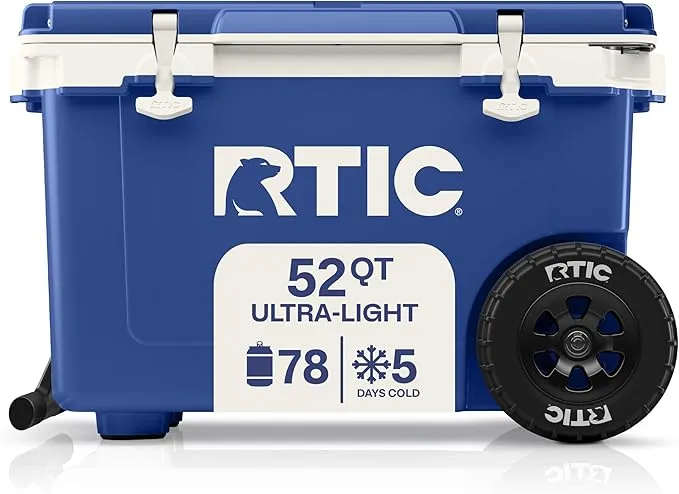
This is the one I'd point a boat or bank angler toward first. RTIC built the Ultra-Light line to run about 30% lighter than a comparable rotomolded box, and the 52-quart wheeled version comes in around 30 pounds empty with all-terrain wheels and an aluminum tow handle. That matters more than ice specs when you're dragging a full cooler across a gravel lot or a sandy beach access at the end of a long day.
It swallows 78 cans, holds ice for the kind of five-day stretch you'd want on a multiday trip, and the wheels mean your lower back forgives you. The trade-off is a 4.2-star average, a notch below the YETI faithful's expectations, mostly griping about the latches and wheel hardware over time. For the price and the haulability, I'll take it.
You might also enjoy: Yellow Sally and Golden Stonefly Dry-Dropper for June Trout
You might also enjoy: Where Do Crappie Go After the Spawn? A Summer Brush Pile Depth Guide
Around $279. Check it on Amazon.
Igloo 150 QT Latitude Marine Ultra
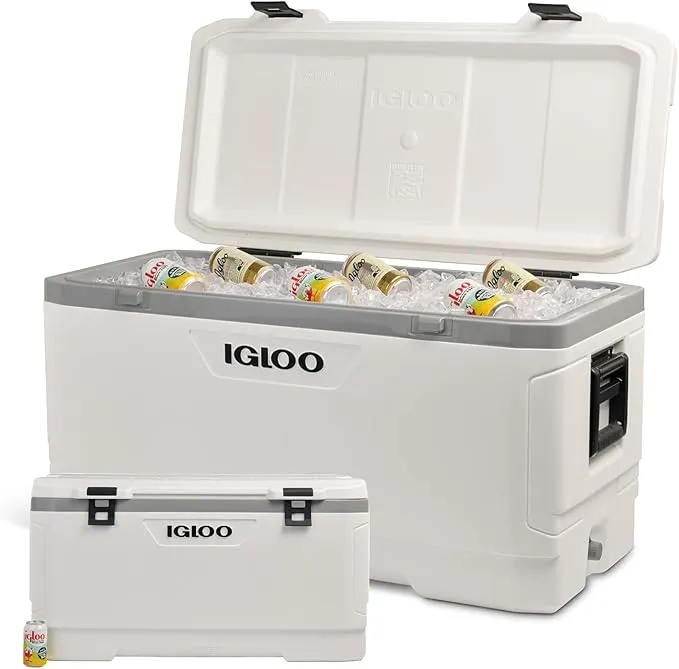
If you fish saltwater off a center console or a bigger boat, the marine-grade build is the whole point. The Igloo Marine Ultra line uses UV-resistant resin and rust-proof stainless hardware specifically so it survives a life of salt spray, sun, and getting hosed down. At 150 quarts it's a genuine catch box, big enough to ice down a cooler's worth of drinks and a respectable mess of fish for the run home.
It carries a 4.5-star average across more than 11,000 ratings, which for a cooler this size is a strong signal that the hinges and latches hold up. It's overkill for a bank fisherman and absurd in a kayak. On a saltwater boat, it's exactly enough.
Around $159. Check it on Amazon.
Why soft coolers win on a kayak
Put a rotomolded box on a kayak deck and you'll spend the day fighting it. It slides, it blocks your rod tip, and it weighs as much loaded as your tackle. Soft coolers solve the one problem that actually matters back there: they squish.
A standard kayak stern well runs roughly 13 by 18 inches at the base, sized around a milk crate. A soft cooler crams into that space, compresses as the ice melts, and stretches a little when you want to wedge in one more drink. Most quality soft coolers hold ice 24 hours or so, with the better-insulated ones pushing toward 36 on a cool day. For a single day on the water, that's all the retention you need, and the weight savings are dramatic.
RTIC 24 Can Ultra-Tough Backpack Cooler
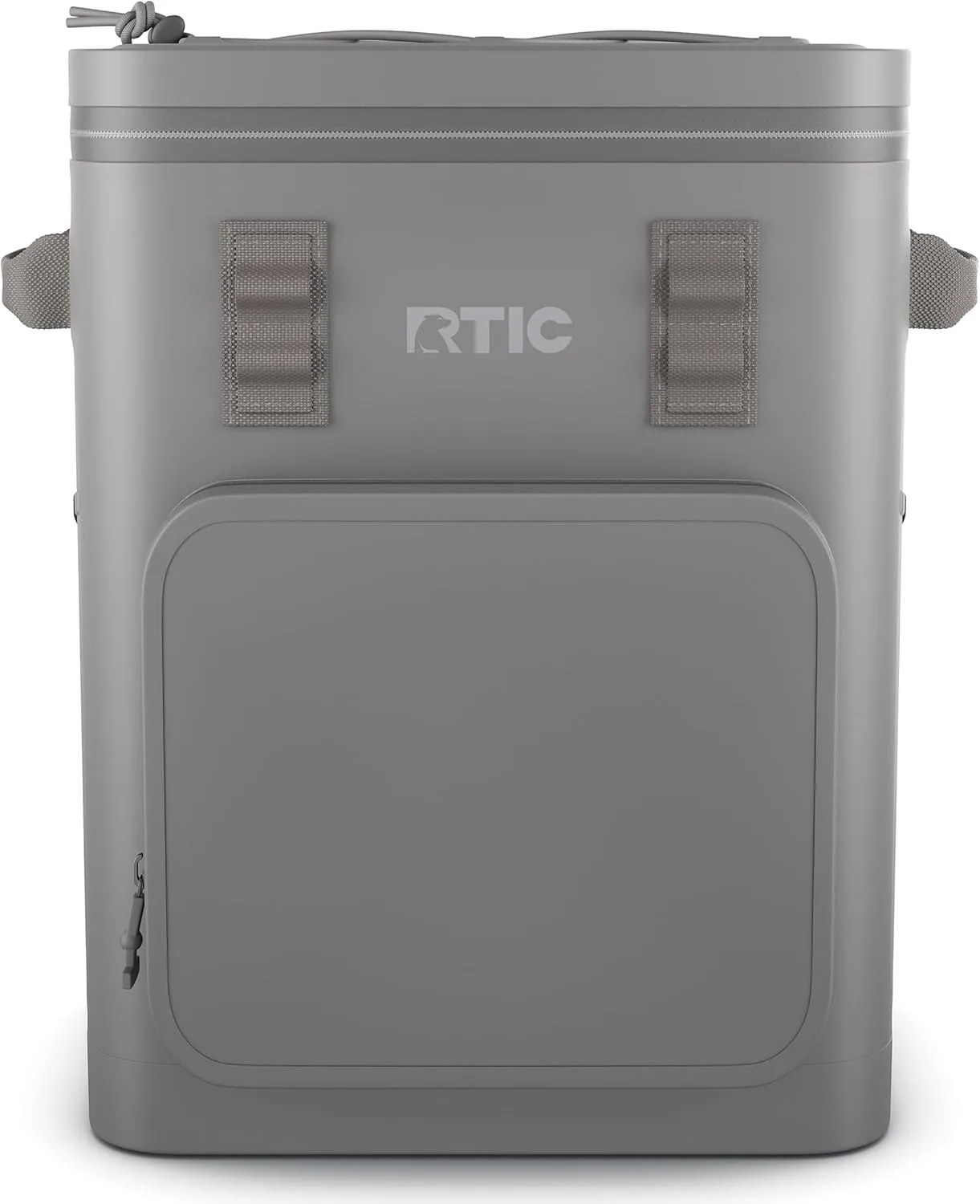
This is the soft cooler I'd hand a kayak angler on a budget. It's leakproof, fully waterproof, and it floats, which is not a gimmick when you flip a sit-on-top in current. The backpack straps mean you can wear it on the portage from the parking lot to the launch and keep both hands on the boat.
It runs a 4.5-star average across more than 1,200 ratings, and the welded waterproof construction is the kind of thing that justifies paying past the bargain-bin bags. At a hair under $160 it's not cheap, but it's roughly half a premium soft cooler.
Around $159. Check it on Amazon.
YETI Hopper M20 Backpack Cooler
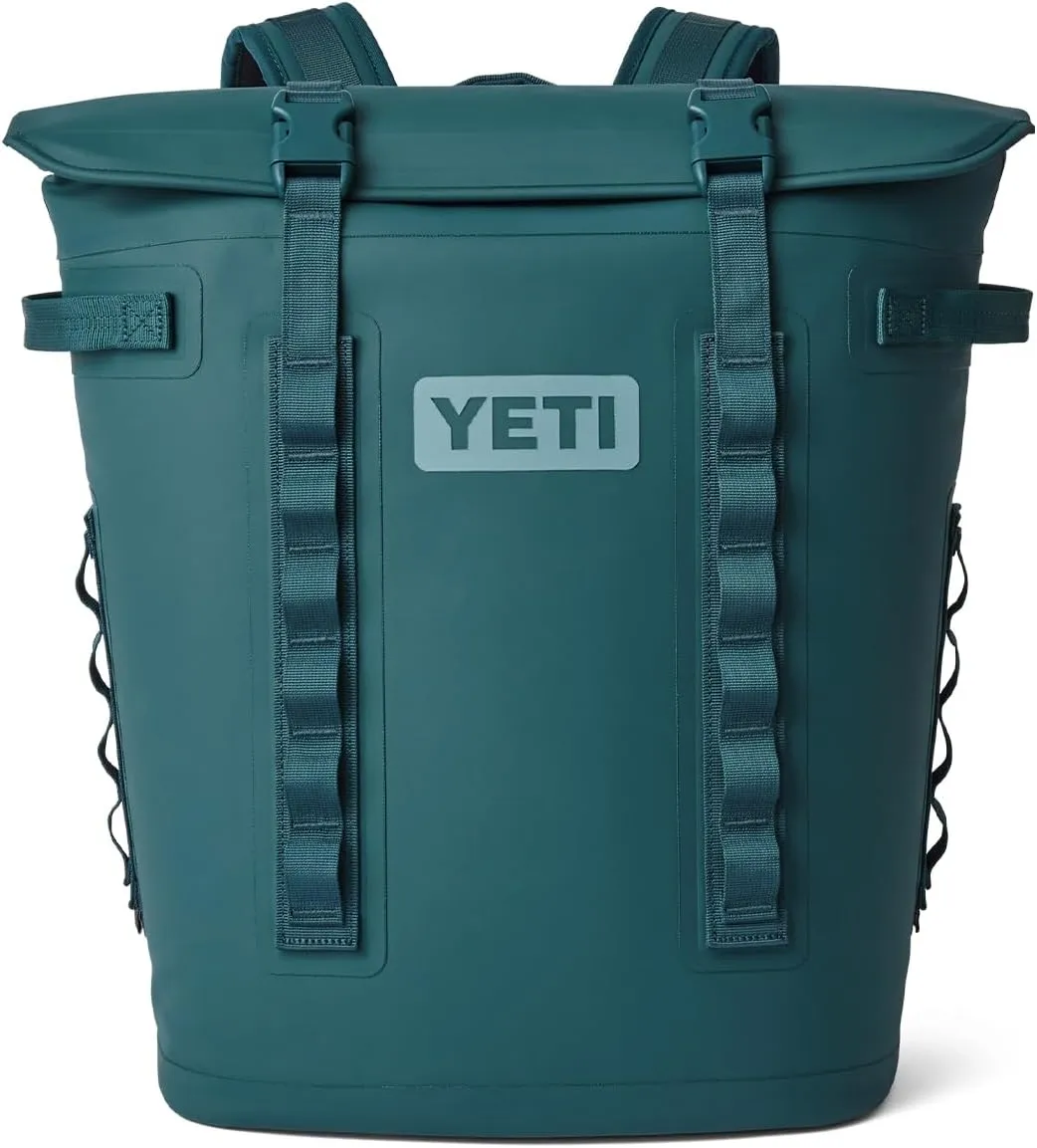
The Hopper M20's party trick is the MagShield magnetic closure: no zipper to fight with cold, wet hands, and it seals with a press. Owners who have battled sand-jammed zippers report that this is exactly why they pay up for it. It carries roughly 18 cans or 26 pounds of ice, the DryHide shell shrugs off UV and punctures, and the closed-cell foam holds cold about as well as a soft cooler can.
You might also enjoy: Tributary Mouth Trout Fishing in Summer Heat: Finding Thermal Refuge When Rivers Hit 70°F
You might also enjoy: Chatterbait vs Swim Jig for Summer Grass: Which One to Tie On and When
It's expensive. At $325 it costs more than some hard coolers, and the 4.4-star average includes the predictable grumbling about the price. But if you kayak fish hard and you've fought one too many frozen zippers, the magnetic lid alone might sell you.
Around $325. Check it on Amazon.
Choosing among the best fishing coolers 2026 for how you fish
Three things decide this, and ice retention is honestly the least of them for most anglers.
Where it rides. Kayak or any boat with a tank well means soft, full stop. The well dimensions are tight and every pound of deck weight is a pound you paddle. Truck bed, jon boat, bank cart, or center console means hard. This single question answers most of the decision before you compare a single spec.
Capacity comes next. Be honest about your day. A solo morning float needs a 20-can soft cooler, not a 52-quart monster you'll carry empty. If you're keeping fish in the same box as your lunch, size up and pack a divider or a second dry bag so your sandwich doesn't smell like a redfish.
Then build quality. For hard coolers, rotomolded with a real rubber gasket is the only construction worth your money. For soft coolers, look for welded or RF-sealed seams and a waterproof rating, because a soft cooler that leaks melt onto your reels is worse than no cooler. If you fish salt, marine-grade hardware that won't rust is non-negotiable.
If you want to see whether a heavier cooler is actually slowing your paddling days down, you can try Bushwhack to log trips and spot the patterns in your own data over a season.
Are cheap coolers good enough for fishing?
For a day trip, mostly yes. A solid mid-tier rotomolded box or a well-sealed soft cooler will keep ice from sunup to takeout without breaking a sweat, and the lab-bench gap between it and a flagship cooler won't show up on the water. Spend the premium only if you fish overnight, leave gear in a hot truck for days, or you genuinely value the magnetic lid and the brand's warranty.
My contrarian take: most kayak anglers should buy the cheaper soft cooler and put the saved money toward a better PFD or a paddle leash. The cooler is the one piece of gear where good-enough is genuinely good enough, and nobody ever lost a fish because their drinks were only 90% as cold.
Whatever you carry, log the days it earned its spot on the deck. Track your spots and catches with Bushwhack's features, and the gear that actually pulls its weight gets obvious fast.
Get fishing tips in your inbox
New guides, seasonal tactics, and gear picks — about once a month, no spam.