Moon Phase Fishing: Does It Actually Work?
 Cameron Spanos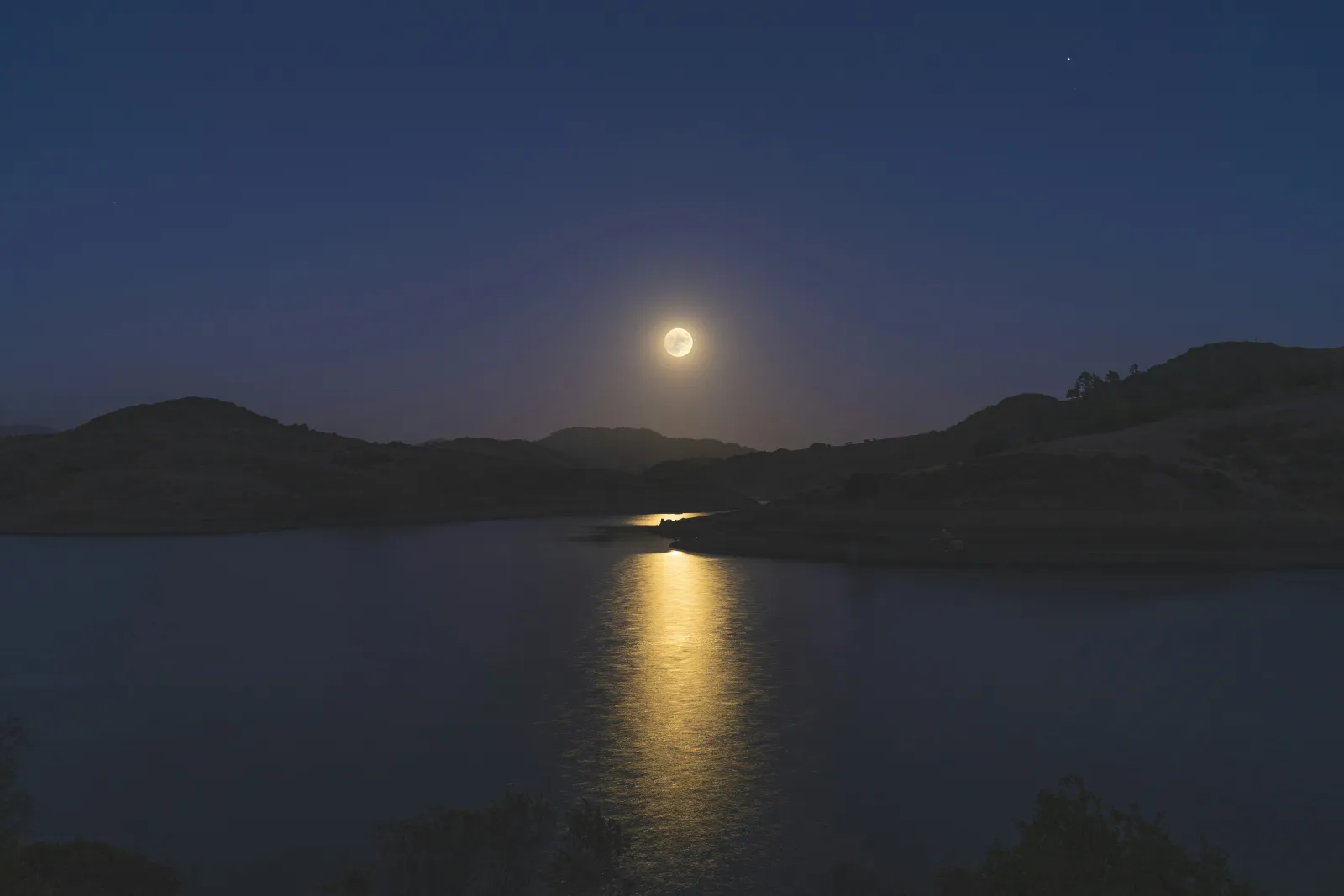
Written by Cameron Spanos
Ask ten anglers whether moon phase fishing matters and you'll get ten different answers, usually delivered with strong conviction in both directions. Some swear by their solunar app and plan every trip around lunar tables. Others say it's superstition dressed up in science. The truth, as with most things in fishing, is somewhere in the middle, and far more interesting than either camp admits.
What Is Solunar Theory?
The idea that the moon influences fish behavior isn't new. In 1926, a hunter and angler named John Alden Knight sat down with a pile of fishing folklore, tidal charts, and moon calendars and built what he called the solunar theory: a framework for predicting when animals (and fish) would be most active. The name combines sol (sun) and lunar (moon).
Knight identified four feeding windows each day based on the moon's position relative to Earth:
- Major periods (~2 hours each): When the moon is directly overhead or underfoot. These are peak activity windows according to solunar tables.
- Minor periods (~1 hour each): When the moon rises or sets. Activity is elevated but less intense.
Knight published the first solunar tables in 1936, and they've been a fixture in hunting and fishing magazines ever since. Today, dozens of apps and websites generate real-time solunar forecasts. The question is whether the theory behind them holds up.
Major and Minor Feeding Periods
The practical side of solunar tables is simple: check the day's major and minor periods, plan to be on the water during those windows, and combine them with favorable tide and weather conditions. Most experienced anglers who use solunar tables don't treat them as magic. They treat them as one additional variable in trip planning.
What the Science Actually Says
Here's where things get honest. The scientific evidence for moon phase affecting fishing is mixed at best.
A comprehensive review of 190 studies on pelagic species (including tuna, billfish, sharks, and rays) published by North Carolina Sea Grant found that just over half (51%) showed fish swimming deeper as lunar illumination increased. Only 5% moved shallower. The responses were highly species-specific, not universal. Some sharks showed increased shallow-water activity during full moons. Swordfish catch rates correlated with lunar illumination. Most other billfish? No consistent pattern at all.
The honest takeaway: the moon influences some species in some situations. It is not a master switch that turns all fish on or off.
You might also enjoy: How to Fly Cast in the Wind: 5 Adjustments That Actually Work (Without a Single Haul Lesson)
Freshwater Species: Bass and Trout
For bass fishing and moon phase, the data is underwhelming. One well-cited largemouth bass study found that 28% of fish were caught during a full moon, 21% during a new moon, and (perhaps surprisingly) 49% were caught during the first and last quarter phases. That's hardly a ringing endorsement for timing your bass trip to the full moon.
Trout behave somewhat differently. Because some insect hatches are triggered by lunar illumination, particularly caddis and mayfly hatches on warm nights, trout feeding at night can increase around the full moon. The flip side: if trout feed heavily overnight, they may be less active during daylight hours. That's something worth tracking in your fishing log over time.
Saltwater Species: Where Moon Phase Matters More
The strongest case for moon phase in saltwater fishing comes down to one word: tides. Saltwater fish don't necessarily respond to the moon phase itself. They respond to the tidal current that the moon drives. Strong tidal flow moves baitfish, oxygenates water, and concentrates predators. That's a real and measurable effect.
Speckled trout anglers in Gulf Coast waters, for example, consistently report that the two to four days before a full moon produce exceptional fishing for both numbers and trophy fish. Inshore redfish, stripers, and snook all show heightened activity when strong tidal currents concentrate bait along structure and points. The mechanism isn't mystical. It's hydraulic.
Tidal Pull: The Real Mechanism for Saltwater
If you fish saltwater, understanding tidal pull is more valuable than memorizing moon phases. The gravitational pull of the moon drives tidal cycles, and the strongest tides occur around new and full moons, called spring tides. Neap tides (weaker, smaller range) happen around quarter moons.
Here's why this matters for fishing:
- Strong tidal current moves baitfish out of grass beds, flats, and creeks, and predators set up in ambush positions to intercept them.
- Current edges and rips form where fast and slow water meet: prime feeding zones for everything from stripers to snook to redfish.
- Slack tide (the lull between tidal flows) often produces slow fishing, regardless of moon phase.
For freshwater anglers, the lunar tidal effect on lakes and rivers is negligible. In freshwater, moon phase matters primarily through light, affecting insect hatches, visibility for predators, and overnight feeding behavior.
You might also enjoy: Best Line Counter Trolling Reels for 2026 (Walleye, Salmon & Lake Trout)
How to Use Solunar Tables Practically
If you want to incorporate solunar tables into your fishing without going overboard, here's a practical approach:
- Use solunar predictions as a tiebreaker. If you're debating between two fishing days, pick the one with a major solunar period during prime morning or evening hours.
- Combine moon data with barometric pressure. Fish tend to feed actively when pressure is stable or rising. Add that filter to your planning.
- For saltwater, prioritize tidal timing over moon phase. A major solunar period during slack tide is less exciting than a minor period during a ripping tidal current.
- Don't cancel trips based on a bad solunar forecast. No phase of the moon cancels good fishing. It just shifts when and where activity peaks.
Why Logging Your Fishing Reveals the Truth
Here's the most underrated approach to the moon phase debate: track your own data. Published studies draw on aggregated catch records across large populations and diverse conditions. Your local lake, your target species, your home water. That's a different dataset entirely.
When you log each trip in Bushwhack with the moon phase recorded, you build a personal evidence base over time. After 20 or 30 trips with moon phase, catch quality, and catch time all noted, patterns start to emerge. Maybe the full moon consistently kills your bass bite. Maybe minor solunar periods hit right when the trout go on the feed in your local tailwater. You won't know until you look at your own numbers.
This is why serious anglers keep fishing logs. Not because they trust any single theory, but because they trust their own data. Bushwhack automatically tags your log entries with the moon phase for every trip, so you don't have to look it up manually. It's just there when you want to analyze it later.
The Bottom Line: Try It, Track It, Find Your Pattern
So does moon phase fishing actually work? The honest answer is: it depends on the species, the water, and the mechanism involved. For saltwater anglers fishing tidal systems, the lunar influence on tidal flow is real and fishable. For freshwater bass anglers, the evidence is thin, but some individual lakes and rivers may tell a different story. Trout fishers dealing with lunar insect hatches have good reason to pay attention.
What the science makes clear is that moon phase is one variable among many, and not always the most important one. Weather, water temperature, and barometric pressure will beat it most days.
The best test? Start logging. Record the moon phase on every trip, note when and what you caught, and let your own data speak over time. Open Bushwhack, start a new trip entry, and let the patterns reveal themselves, one cast at a time.
Get fishing tips in your inbox
New guides, seasonal tactics, and gear picks — about once a month, no spam.