Inshore Saltwater Fishing: 3 Things to Do Differently in 2026
 Hudson Reed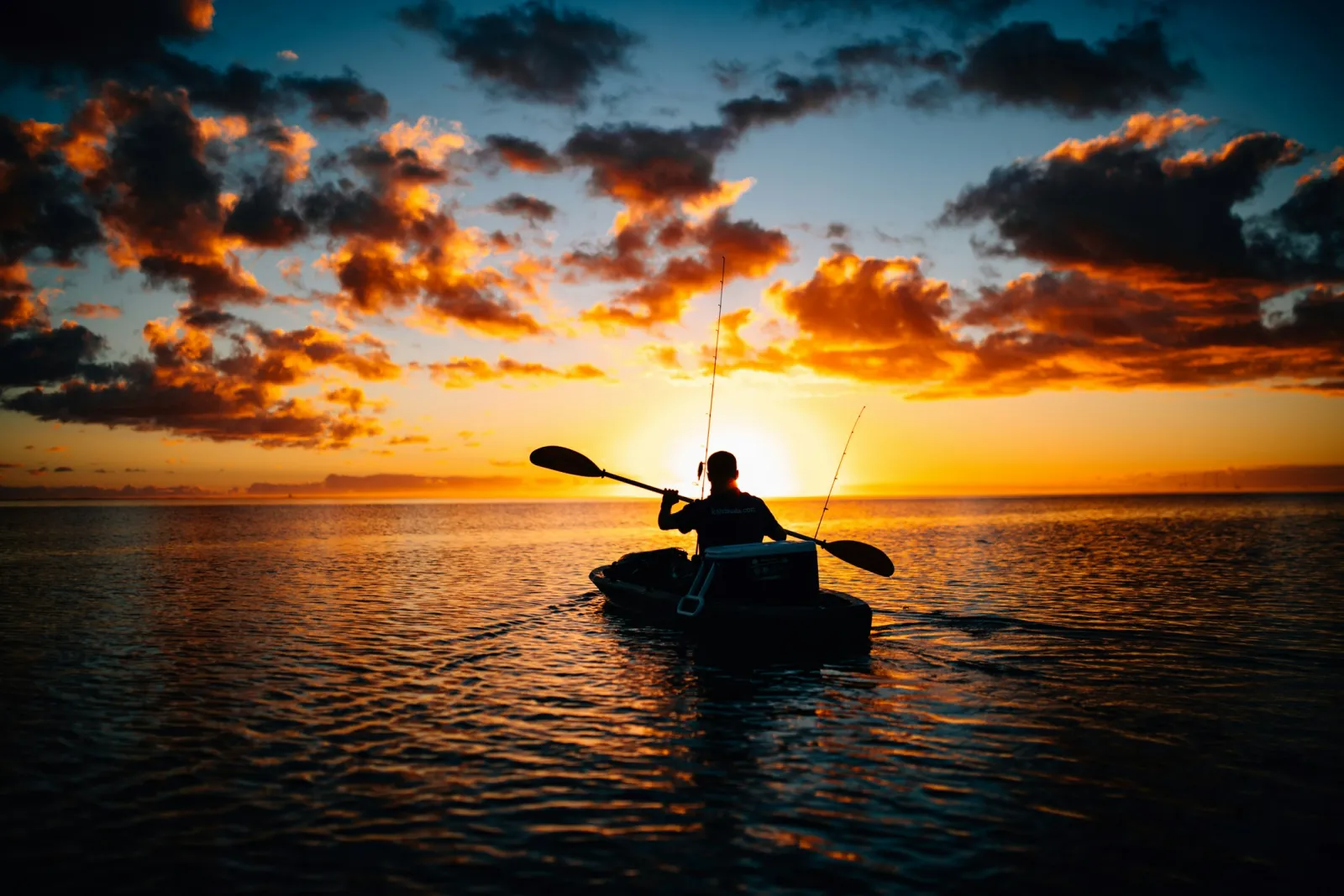
Written by Hudson Reed
A funny thing is happening among inshore saltwater anglers right now. The best inshore saltwater fishing tips for 2026 aren't about new lures or more gear. Experienced fishermen who've been chasing redfish, snook, and seatrout for years are voluntarily starting over. Not because they failed, but because they realize the game has shifted. The tools have changed. The data is available. And the anglers who reset their habits in 2026 are going to outfish everyone still running the same playbook from 2015.
Here are three approaches worth adopting, whether you're new to the flats or just ready to fish smarter.
1. Stop Guessing: Let the Tide Tell You Where to Stand
Most inshore anglers know that tides matter. But knowing tides matter and actually using them to dictate your exact position on the water are two very different things. In 2026, the shift is toward precision, not just fishing during a moving tide, but fishing the right spot for the right species at each specific stage.
The Moving-Water Rule
Here's the baseline: fish show 200-300% improvement in catch rates during moving tides versus slack water, according to data from In The Spread. The sweet spot is the first two hours of a rising or falling tide. That's your prime window. If you're consistently launching at slack and wondering why the bite is slow, the tide schedule (not your lure selection) is the variable to fix first.
On the Gulf Coast, where tidal ranges are typically less than three feet, even a modest tide swing makes a huge difference. Those small movements concentrate bait and push predators into predictable positions. One important caveat: if wind picks up above 15-20 knots, it can override tidal effects entirely. On windy days, wind direction becomes your primary positioning variable.
Positioning by Species and Tide Stage
Once you know when to go, position based on what you're targeting:
- Redfish on a rising tide: Work the edges between deeper water and grass flats. Reds follow the rising waterline to access newly flooded areas packed with crabs and shrimp. Cast toward the flat and retrieve into deeper water. You're intercepting fish moving up.
- Snook on a falling tide: The first two hours of outgoing high tide are prime. Snook stack at creek mouths, mangrove cuts, and bridge pilings where the current funnels bait right to them. Position upcurrent and let your presentation drift naturally into their ambush zone.
- Seatrout on grass flats: They're more tide-neutral but strongly prefer moving water. Fish the deeper edges of grass flats where they can dart out and retreat.
This isn't theory. It's reading the water like a guide does. Commit to positioning before you make your first cast.
2. Forward-Facing Sonar Is No Longer Just for Bass Boats
Forward-facing sonar (FFS) was tournament bass fishing's secret weapon for a few years. Now it's migrating into the inshore saltwater world, and kayak and skiff anglers are quietly having their minds blown by it.
You might also enjoy: Best Rubber Mesh Landing Net for Bass and Boat Fishing (2026)
What FFS Lets You See in the Inshore Zone
Traditional sonar shows you what's directly below the boat. Forward-facing sonar images the water column up to 50-100 feet ahead of you in real time. You can watch fish sitting on structure, see them react when a lure enters their field, and adjust your retrieve before they reject it. That feedback loop (cast, watch, adjust) changes how you learn the fishery far faster than traditional methods.
Inshore species like redfish, snook, and seatrout are ideal FFS targets in the right conditions. You can watch a redfish tail on a flat and actually see your lure land near it. You can monitor how snook positioned at a creek mouth respond to different retrieve speeds. It's the closest thing to underwater eyes you'll get without a dive mask.
Kayak and Skiff Mounting Options
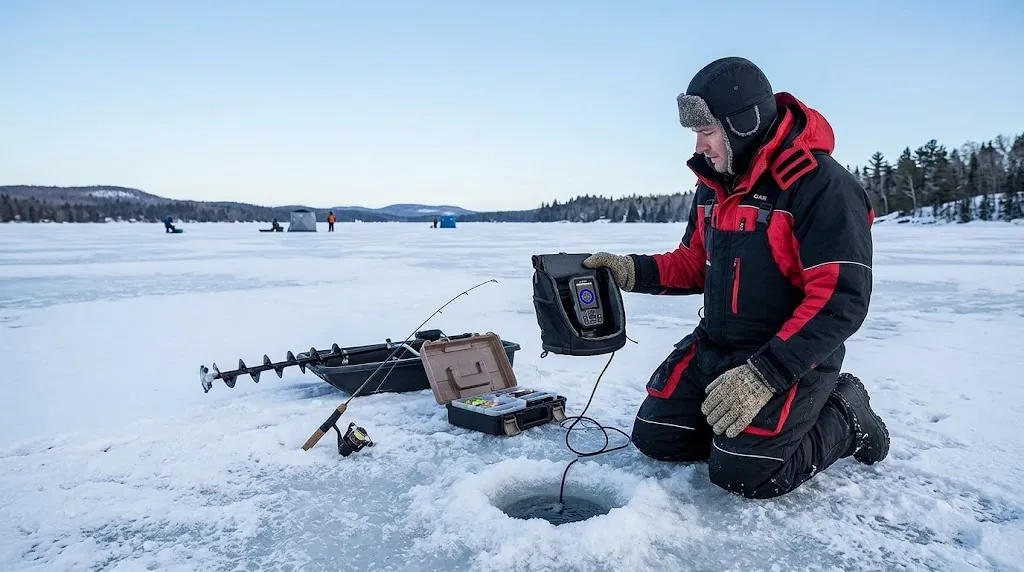
Here's what's changed: FFS is no longer a $5,000 tournament boat luxury. Portable units like the Garmin Panoptix PS22 (designed for ice fishing but widely adopted by kayak anglers) include a rechargeable battery and self-contained transducer that can be pole-mounted on a kayak without major rigging. Smaller budget-friendly units are appearing on used market jon boats, skiffs, and console boats regularly.
A few practical notes: FFS performs best in water eight feet or deeper, where the sonar beam has room to spread and produce a useful image. In very shallow flats, traditional sight fishing still wins. Think of FFS as your tool for channels, creek mouths, deeper grass edges, the inshore transition zones where big fish stage.
There is a learning curve. The screen takes time to read. But the anglers putting in that time in 2026 are building a real edge.
3. Your Catch Log Is Your Most Underrated Inshore Tool
Gear, technique, and electronics get all the attention. But the single most high-leverage habit an inshore angler can build in 2026 costs nothing and requires no new equipment: logging your catches alongside tide data.
What to Record Every Trip
After each outing, log these variables for every fish caught:
You might also enjoy: Best Digital Fishing Scales for 2026 (Bluetooth & Tournament-Ready)
- Time of catch (not launch time, but catch time)
- Tide stage at that moment (incoming, peak, outgoing, slack)
- Location (specific spot or GPS coordinates)
- Water temperature and wind direction
- Lure or bait used
- Species and approximate size
It sounds like homework. It is. And it pays off faster than you'd expect.
Finding the Repeatable Window
After five to ten trips with consistent logging, patterns emerge that you'd never notice from memory alone. Certain creeks light up reliably on a mid-ebb. Certain grass flat edges produce only on the first hour of flood. A specific bridge piling fires during the two hours before a new moon low. These windows are repeatable, and once you know yours, you stop wasting hours on dead water.
A useful metric to track is CPUE: catch-per-unit-effort, or fish per hour on the water. Calculate your overall average, then calculate it for each tide condition. The tide stages where your CPUE runs above average are your golden windows. The stages where it drops below average are worth skipping or repositioning.
Using Bushwhack makes this process frictionless. Log your catch in seconds from the water with tide data automatically tied to each entry. Over a season, your log becomes a personal fishing intelligence database that no YouTube video can replicate.
How Do These Three Changes Work Together?
These aren't three separate tips. They're a system. Tide-based positioning gets you to the right spot at the right time. Forward-facing sonar helps you find and target fish once you're there. And your catch log tells you whether your positioning and sonar reads are actually producing, then refines your approach over subsequent trips. Each outing generates data that makes the next one sharper.
Fish Smarter in 2026
Inshore saltwater fishing rewards the angler who pays attention. The tides don't lie, the sonar doesn't guess, and the log doesn't forget. The anglers resetting their habits this year aren't abandoning what works. They're layering precision on top of experience.
Pick one of these three changes to implement on your next trip. Commit to the tide window. Mount that FFS unit. Or just open Bushwhack and start logging. One season of intentional data beats ten years of gut instinct. Get on the water and prove it to yourself.
Get fishing tips in your inbox
New guides, seasonal tactics, and gear picks — about once a month, no spam.