Logan River Bear River Cutthroat: A Walk-and-Wade Guide to Logan Canyon
 Cameron Spanos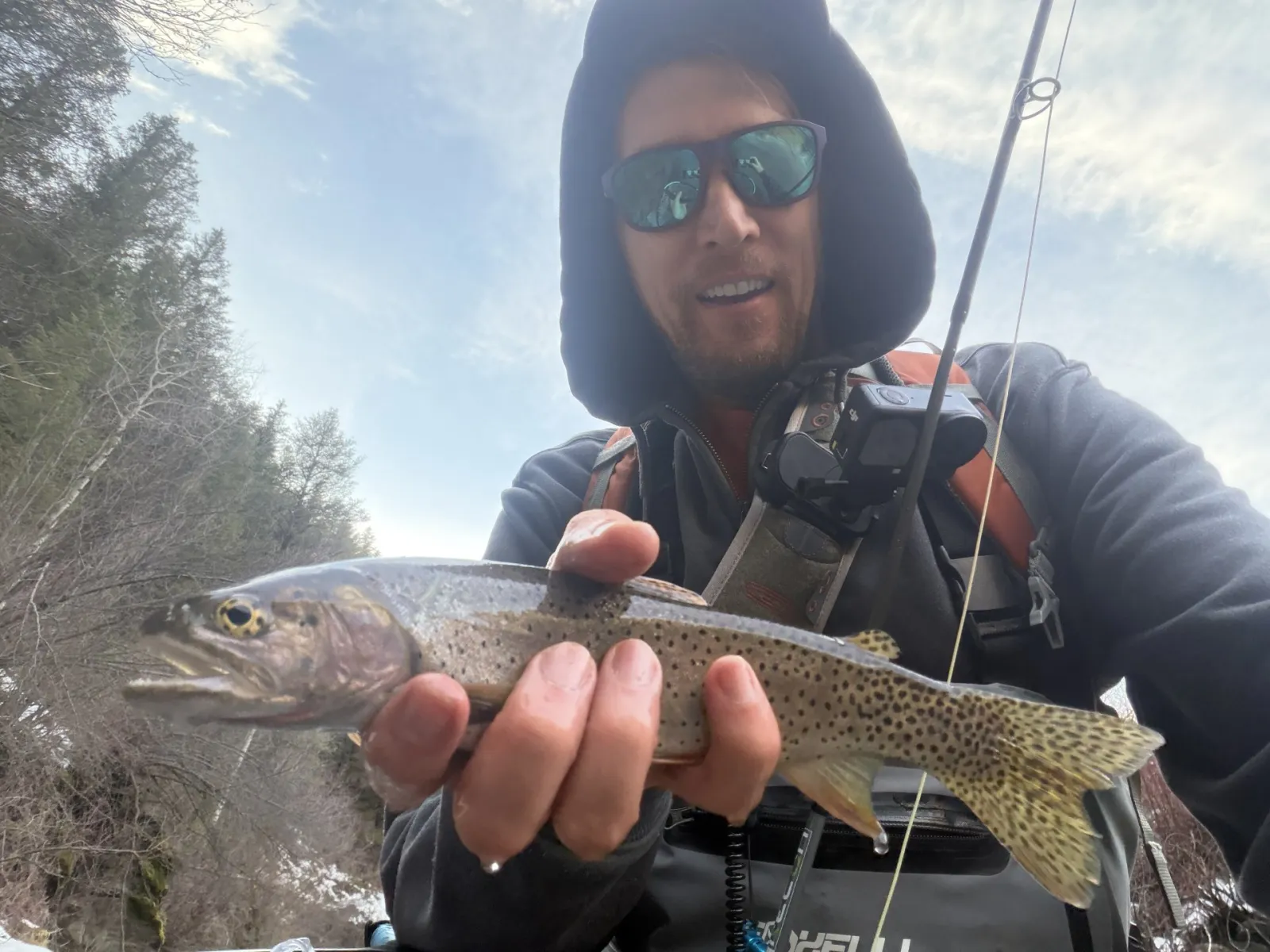
Written by Cameron Spanos
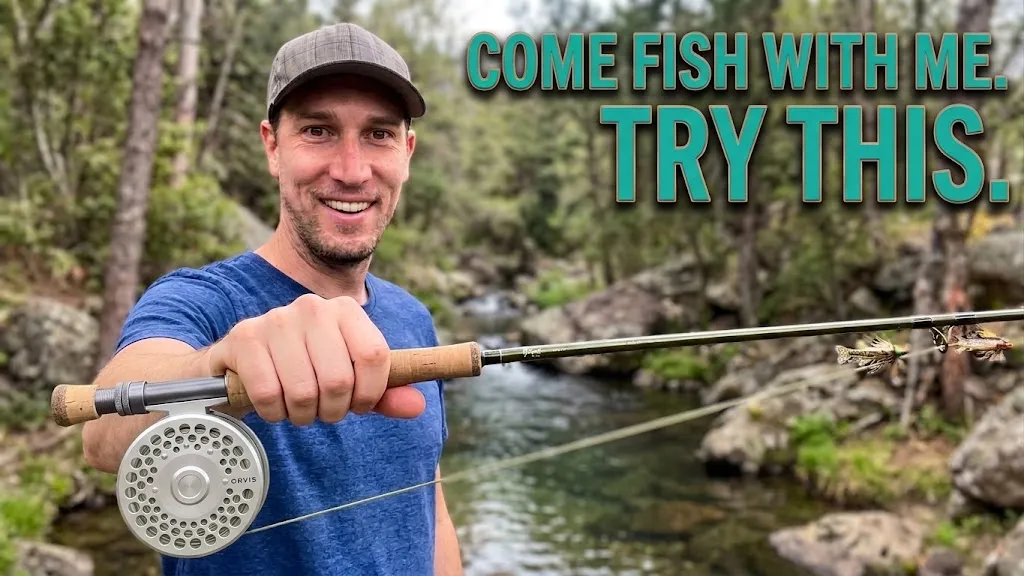
The first Bear River cutty I ever caught in Logan Canyon ate a big ol' Pat's rubber legs (pictured in the feature image). The water was running fast and I wasn't sure if the fish would be biting. I trudged through, fighting the current slamming into my legs. My heart stopped when I saw my indicator drop. I was so excited to have a Bear River on the end of my line. I'd been at it all day with little luck. I'd caught a brown earlier in the morning, but I was there for the Bear River cutty. Stoked to land one and send it back on its way.
If you have read other guides to this river, you have probably seen it lumped in with the Provo and the Green as a Utah blue-ribbon water. It is not the Provo. The fish are smaller, the water is tighter, and the cutties are spookier than the recently-stocked rainbows people drive two hours from Salt Lake to harass. What it is, is the best walk-and-wade bear river cutthroat fishery within an hour of a real airport, and one of the waters that counts toward the Utah Cutthroat Slam, and you can fish 30 miles of it without a boat or a guide.
This is a guide to fishing the canyon on foot. Where to pull off, what the water actually looks like at each stretch, what to tie on, and which regulation line you do not want to cross.
Why Logan Canyon is the right cutthroat water for most anglers
Bear River cutthroat (Oncorhynchus virginalis utah) are a native strain of Bonneville cutthroat trout found in the Bear River drainage of Utah, Idaho, and Wyoming. Their lineage traces to the ancient Lake Bonneville era, when the Bear River was once a Bonneville tributary before being captured by the Snake River system and later rerouted back into the Great Basin, leaving an isolated population behind. By the mid-20th century, hybridization with stocked rainbow and Yellowstone cutthroat, along with habitat loss, had pushed pure populations to the brink. Remnant stocks were later confirmed in headwater tributaries, and ongoing restoration work has steadily expanded their range across the basin.
The Logan drainage is one of the strongholds. The river above Third Dam runs through Uinta-Wasatch-Cache National Forest, which means almost the entire upper canyon is public. You park, you fish.
Three things make this water rare:
- The fish are wild and almost entirely native above the dams. You are not catching last week's hatchery truck.
- The road follows the river for 30 miles. There is no four-mile bushwhack to a put-in.
- It fishes well from June through October on dry flies the size of your thumbnail.
The trade-off is that nobody will mistake an average Logan cutthroat for a trophy. Most fish run six to fourteen inches. A sixteen-inch cutty in this drainage is a brag. Twenty-inch fish exist and I have seen exactly one landed.
The four sections, ranked from least to most worth your time
Below First Dam (the urban stretch)
Skip it for cutthroat. This water runs through Logan proper, gets stocked with rainbows, and is mostly a put-and-take fishery for kids and people who like to fish in flip-flops. Fine for a beer-and-bobber afternoon. Not why you came.
First Dam to Third Dam
The three impoundments stack up along the canyon mouth. Standard regulations apply (4 trout limit), the water is pretty, and the cutthroat are sparse. You will catch browns, the occasional rainbow, and a lot of nothing. Worth a stop if you are passing through with an hour to kill.
Third Dam to Card Canyon Bridge
This is where it starts to feel like a trout river instead of a roadside ditch. Roughly 3.5 miles of pocket water, riffle, and bouldery runs. Standard trout regs still apply here, so you can keep fish, but most locals fish it catch-and-release because the cutthroat density is finally meaningful. Expect mixed bag: Bear River cutthroat, brown trout, the odd brookie. Pressure is heavy on summer weekends.
You might also enjoy: Best All-Around Trout Fly Rod 2026: Sage R8 Core vs Orvis Helios vs Scott Centric vs Douglas Sky G
You might also enjoy: How to Fly Fish From a Drift Boat: A First-Timer's Guide to Your First Guided Float
Card Canyon Bridge to Red Banks (and above to the Idaho line)
The good water. From the Card Canyon Bridge upstream, the regulations shift to artificial flies and lures only, with a two-fish aggregate limit of trout and whitefish. Most of the cutthroat you find above this line are native Bear River-strain Bonnevilles, and the density is, in DWR's own description, strong. This is where you spend your day.
What does the artificial-only regulation line actually mean for you?
Practically, it means three things. One: leave the worms at home from Card Canyon up. Two: pinch your barbs even though it is not technically required, because these fish handle better and the next angler at that pool will thank you. Three: the two-fish limit is in aggregate with whitefish, and yes, mountain whitefish count. The Logan has a healthy whitefish population that nobody talks about, and they will eat a size 18 nymph the same way a cutthroat will.
The exact regulation is in the 2026 Utah Fishing Guidebook under "Logan River." Read the full entry before your trip. There are tributary restrictions and seasonal closures on certain forks that this post is not going to cover for you, because they change.
Specific pullouts worth your time
The Logan Canyon Scenic Byway runs 41 miles from the canyon mouth in Logan up to Bear Lake. Most of the productive cutthroat water is in the first 25 miles. Mile markers on Highway 89 in this canyon start at the canyon mouth and climb. A few specific stretches:
Spring Hollow / Wood Camp area (a few miles up the canyon from the mouth): Big slow bend, classic riffle-pool-riffle, easy gravel-bar wading. Gets pressure but recovers fast. Park at the Wood Camp trailhead lot, walk down.
The Right Hand Fork confluence: Where Right Hand Fork dumps into the main Logan, you get a mixing seam that holds fish in any flow. The plunge below the confluence is one of the more reliable single-cast spots in the canyon. Park at the Right Hand Fork pullout, walk five minutes down.
Red Banks Campground area: The marker for the upper regulation line. The water immediately upstream of the campground bridge is reliable, and the campground itself makes a workable base camp.
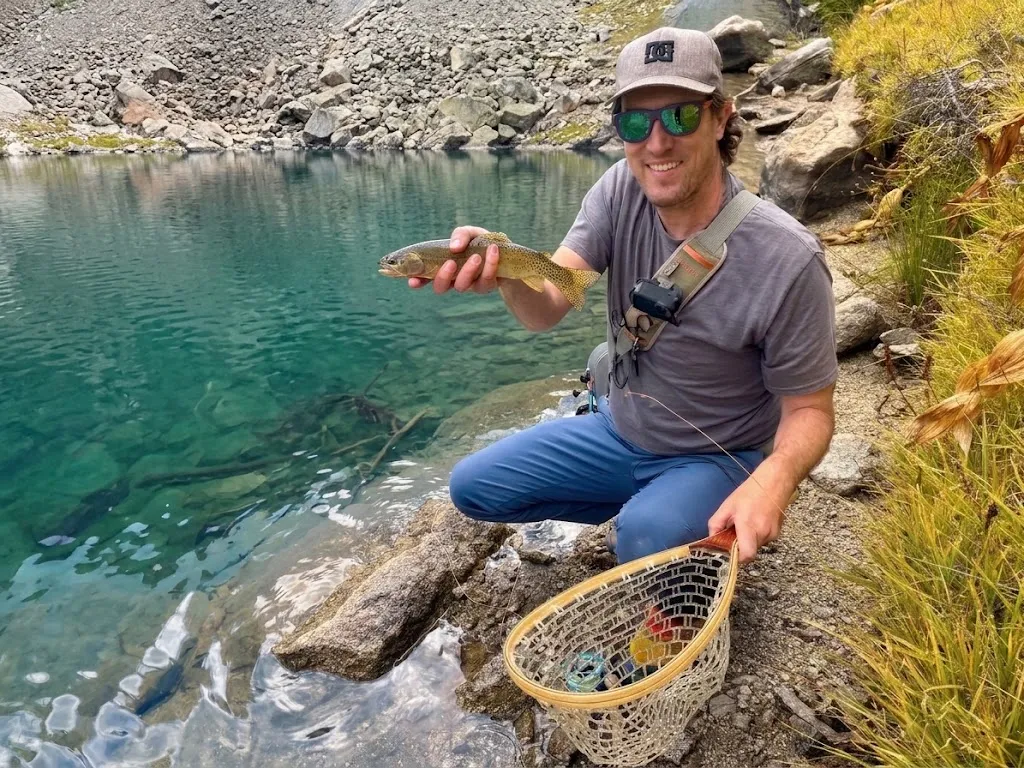
Above Red Banks toward Tony Grove: Tighter, smaller water. Fewer fish per pool but the cutties up here are some of the prettiest you will find anywhere in Utah, with the orange jaw slash that does not photograph the way it looks in person. Bring a 7.5-foot rod if you have one.
One warning: the canyon road has heavy summer traffic, and parking is on the river side of the highway in most pullouts. Cross with your rod broken down. I have watched a guy lose a $700 setup to a passing pickup truck that snapped his uncased rod against a guardrail.
Flies that work, sized for fish that are smaller than you want them to be
The Logan does not need fancy fly selection. It needs accurate fly sizes. Going one size too large is the most common mistake I see Salt Lake anglers make on this river.
You might also enjoy: Yellow Sally and Golden Stonefly Dry-Dropper for June Trout
You might also enjoy: Best Fly Reels for Trout Under $300 (2026): 3 Picks I'd Actually Buy
Through the season:
- Late May through mid-June: Spring runoff is dropping. Big dark stoneflies (Pat's Rubber Legs, size 8) under an indicator. Squirmy Worm (size 12) on the dropper.
- Mid-June through July: Caddis. Elk Hair Caddis size 14-16 in tan and olive. Drop a size 16 Hare's Ear or Pheasant Tail off the bend.
- July through early September: The dry-dropper game. Chernobyl Ant or size 12 Royal Wulff up top, size 18 Zebra Midge or Rainbow Warrior 18 inches below. This is the rig that catches 80 percent of fish for me, June through September.
- Late August through September: Hopper season is short on the Logan but real. Size 10 Morrish Hopper in tan, drifted right against the bank.
- October: Blue-winged olives, size 18-20. Parachute BWOs in the back-eddies, midges in the slower glides.
You do not need streamers in the canyon for cutthroat. You can throw a Thin Mint and catch the occasional brown in the lower sections, but cutthroats above Card Canyon eat dries and small nymphs almost exclusively in summer. Save the bigger flies for the Provo.
What about a 3-weight versus a 5-weight?
If you fish Logan Canyon more than three times a year, get a 7.5-foot or 8-foot 3-weight. Most of the productive water is twenty feet wide. Tight casts under streamside cottonwoods reward a shorter rod. The 9-foot 5-weight you bought for the Provo will work, but it is overkill, and the extra length will hang up in the brush above more often than you think.
For visiting anglers who only own one rod: a 9-foot 5-weight is fine. Use a 9-foot 5X leader, drop to 6X tippet for the dropper, and accept that you will rollcast more than overhead cast.
Reading the water and logging the fish
Cutties in this drainage hold in classic cutthroat lies: soft seams next to fast water, foam lines, the head of a riffle dumping into a deeper run, and undercut banks. They do not hold in fast tailouts the way browns will. If a section looks too slow to hold a fish, throw a dry there anyway. That is where the cutthroat are.
The unsexy truth about this river is that pattern-recognition matters more than fly selection. A logbook helps. The nearest real-time flow reading is the USGS Logan River gauge. After three or four trips you will start to notice that a specific bend fishes well at 180 cfs but blows out at 280, or that a certain pool only produces in the last hour of light. I keep this stuff in Bushwhack with the flow at the time of catch tagged automatically. It has saved me more guess-and-check days than I can count. You can try Bushwhack and see your own catches plotted against flow without setting up an account first.
When the canyon fishes best
Best window is mid-June through late September. The river clears around the second week of June most years (it ran high into late June in heavy snow years like 2023, but the recent norm has been earlier). By July, water temps are in the prime 45-60°F window most mornings. By mid-August, you should be done fishing by 11 a.m. on hot days. Cutthroat stress fast above 65°F and you do not need to be that guy.
October is underrated. BWO emergences on cloudy 50-degree afternoons can be the best dry-fly fishing of the year, and you will have the canyon almost to yourself once the leaves drop.
The mistake most visitors make
They drive past the first ten miles to get to the "good" upper water, and find out the upper water has half the fish density. The honest answer is that the stretch from Third Dam to Red Banks holds more cutthroat per mile than anything above Tony Grove. Above Tony Grove the cutthroat are prettier and the scenery is better. Pick your priority. If you have one day, fish from Card Canyon up to Red Banks and stop chasing the postcard.
Get fishing tips in your inbox
New guides, seasonal tactics, and gear picks — about once a month, no spam.