Green River Cicada Hatch: When to Be on the Water in May and June
 Cameron Spanos
Written by Cameron Spanos
Picture a 22-inch brown rising from six feet of gin-clear water to inhale a size 8 hunk of black foam. That is the Green River cicada hatch in a sentence. The fish you spent all winter nymphing 6X for, the ones that ghost shadows of an indicator from the bank, will swim across the river to crush a fly the size of your thumb.
And then a week later, they will refuse the same fly for ten straight days while every angler on the canyon slowly loses their mind.
If you only fish the Green River cicada hatch once, time it right. The window is narrow, the trout get smart fast, and the difference between the best day of your fly fishing year and a long sunburned float is mostly a question of when you launched the boat.
When does the Green River cicada hatch actually start?
The short answer: late May to mid-June, with the peak typically landing in the first ten days of June. The longer answer is that the bugs don't read calendars.
Cicadas emerge when soil temperatures in the sage flats above the canyon hit the mid-60s, according to multiple Utah guide services tracking the hatch. That can happen as early as the first week of May in a hot, dry spring, or as late as the second week of June after a cold, wet one. Spinner Fall Guide Service notes that the above-ground portion of the cicada life cycle lasts about a month, which is the only window you have to work with.
Water temperature on the Green is almost irrelevant for predicting the hatch, which trips up anglers used to mayfly logic. The river runs 40 to 60 degrees year-round because every drop is pumped from the bottom of Flaming Gorge Reservoir. The trigger is happening on land, not in the water. You can watch the tailwater release yourself at the USGS Green River near Greendale gauge just below the dam.
Three signals to watch in the week before you drive out:
- Hard cottonwood bud-break in Browns Park and Dutch John. When the cottonwoods are fully leafed out, the soil is warm enough.
- The buzz. Cicadas are loud. If you can hear a steady electric drone in the sage when you step out of your truck, the bugs are out and the fish know it.
- Fishing reports mentioning bank-eaters. Once trout shift to bank feeding, the hatch is on, even if you don't see clouds of bugs.
I have had my best cicada days the third week of May and the first week of June. I have had my worst the second week of June, when the bugs are still around but the fish have seen 400 imitations and now want a perfect drift on 4X tippet, hatless, in a cross-breeze. Show up early.
The daily timing window most anglers blow
Cicadas are sun bugs. They do not buzz, fly, or fall in the water at 7 a.m. when it's 42 degrees on the river. This is the single biggest mistake I see on the Green during cicada season: anglers showing up at the launch at first light, throwing a foam bug for three hours into nothing, then giving up around noon when the actual hatch is starting.
The fishable window most days runs roughly 11 a.m. to 6 p.m., with the absolute peak between 1 p.m. and 4 p.m. when the canyon walls are baking and the bugs are at their loudest. On a cold front, push that window even later. On a 90-degree bluebird day, you can sometimes catch fish on cicadas until 7 p.m.
You might also enjoy: Best All-Around Trout Fly Rod 2026: Sage R8 Core vs Orvis Helios vs Scott Centric vs Douglas Sky G
This is also why the Green is, weirdly, one of the few western rivers where sleeping in is the right call. Fish a streamer or a small nymph rig early if you must. Save your good cicadas, your good tippet, and your patience for the warm-bug hours.
The four patterns that actually matter
You can fill an entire fly box with cicada patterns. Most of them are vanity. Four flies will cover almost every situation on the Green:
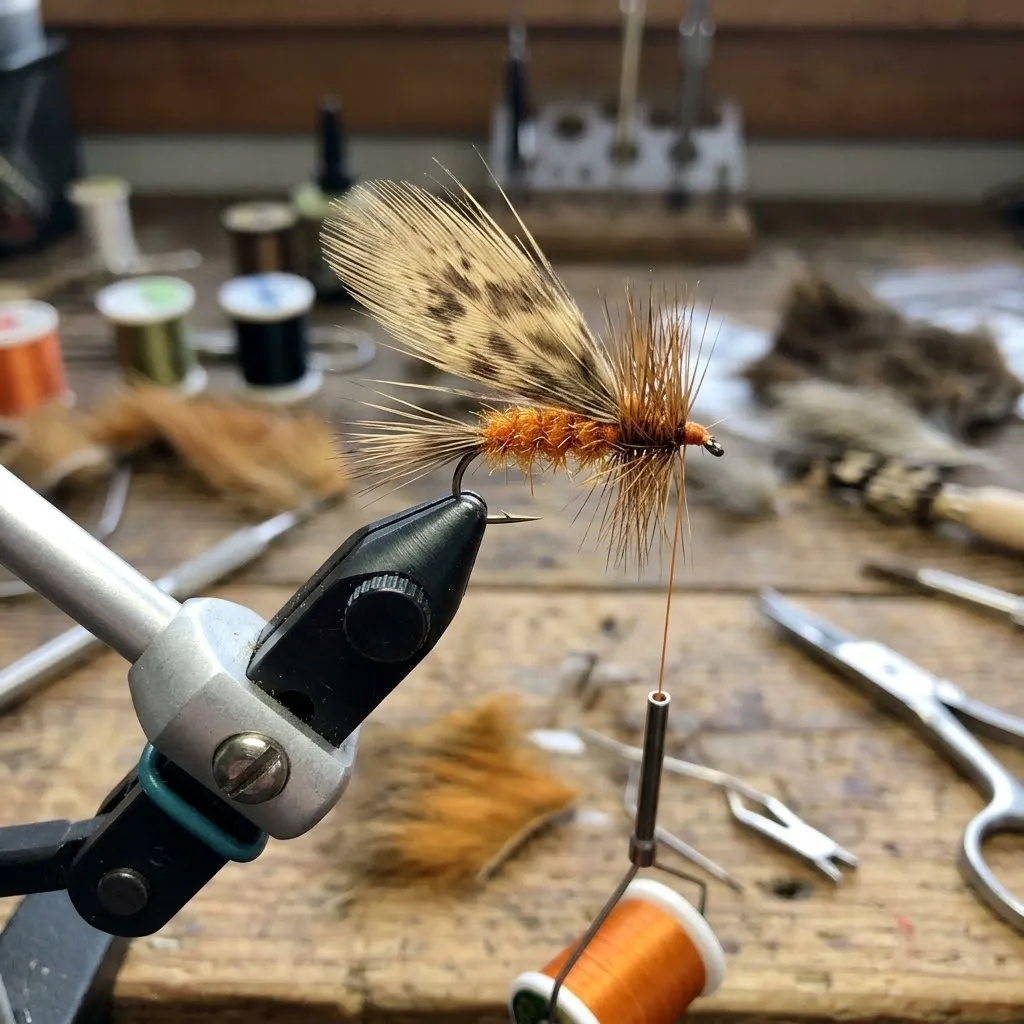
- Card's Cicada, size 8 or 10. Charlie Card tied this in Dutch John specifically for this hatch. It is still the standard. Black foam body, orange under-wing, rubber legs. If you only buy one cicada pattern, buy this one.
- Black Chubby Chernobyl, size 8. Cheaper, more durable, and the fish on the upper A section eat it just as well. The Chubby's white poly wing is the difference-maker on choppy water when you can't see Card's lower-profile pattern.
- Project Cicada or Elvira Cicada, size 8. Lower-profile, more realistic silhouette for the back end of the hatch when fish have wised up. Twitch this one. The plop matters less than the dead drift.
- Mondo Cicada, size 4. Big bug. Throw it on the windy afternoon when nothing else is getting noticed, or anywhere you suspect a true trophy is sitting in shallow water along a cliff seam.
Hot take: the carbon-copy realistic patterns with painted eyes and folded wings catch more anglers than fish. The fish are eating a black blob from below. Silhouette and plop do 90% of the work. Spend your money on a second floatant and a half-dozen tippet spools, not on $9 flies.
Why the plop matters more than the drift
This is the part that breaks brains for trout anglers raised on PMDs and Tricos. Cicadas are not graceful. They are bad fliers. They smack the water like a kid doing a cannonball at the community pool, then kick around for ten or twenty seconds before something eats them or they crawl out.
You want your fly to land like that.
Pile-cast it. Slap it. Don't worry about a soft landing or a perfect leader turnover. The plop is the dinner bell. I drop my rod tip on the forward cast and almost punch the fly into the water. Trout 30 feet upstream and downstream of the splash will turn and look. Sometimes they swim halfway across the river to investigate.
After the splat, twitch once. Then dead drift. Then twitch again if the drift goes ten seconds without a take. Spinner Fall calls this "twitch and wait," and it is exactly right. A motionless cicada that just landed is a dead one. A twitching one is alive and worth chasing.
How long do you wait to set the hook?
Longer than you think. A trout eating a size 8 cicada needs to actually close its mouth around a fly the size of a Hot Tamale. If you set the second the nose breaks the surface, you will pull the fly out 80% of the time and put down the fish.
Count "God save the Queen" before lifting the rod. Or wait for the back of the trout to clear the water. Or just wait until the fish actually turns down with the fly. Whichever cue works for your nervous system.
You might also enjoy: Best Fly Reels for Trout Under $300 (2026): 3 Picks I'd Actually Buy
The other refusal you will see is the close-look-and-bail, where a big brown rises slowly, drifts under your fly for two feet, and slides back down without eating. This is when a dropper saves the day. Tie 24 to 36 inches of 4X off the back of the cicada and run a small Pheasant Tail or Zebra Midge below it. Plenty of fish that refuse the cicada will eat the dropper on the turn-down. The trick is not setting on the cicada when you see the head come up, because the eat is on the nymph and you'll miss it.
Where on the river to be
We've covered the section breakdown elsewhere on the blog, so the short version: cicada season is overwhelmingly an A and upper-B game. The bugs need cottonwoods and sage, and both are heaviest in the upper canyon between the dam and Little Hole. C section gets some cicadas, but the trout-per-mile drops and the wading is harder.
Within A and B, prioritize:
- Cliff seams where the canyon wall meets the water and a fish can sit two feet off the bank in three feet of water
- Cottonwood-shaded banks on the inside of bends
- Slow back eddies on the lee side of any boulder, especially after a windy morning has knocked bugs into the river
The fish are not in the middle of the river during cicada season. They are tucked in tight, looking up, watching the bank. If your fly is more than a rod's length from a cottonwood or a cliff, you are probably wasting drifts.
Gear notes the guides will not tell you
A 9-foot 5-weight is fine for casting cicadas in calm conditions, but it is not the right tool for the windy afternoon when the canyon is funneling 20 mph gusts upriver. A 9-foot 6-weight with a slightly aggressive taper line (not a delicate dry fly line) makes the day way easier. You're not making 30-foot delicate presentations to picky risers. You're punching a foam bug 60 feet at a moving boat lane.
Tippet: 3X. I know. The Green is famous for technical PMD fishing on 6X. Cicada season is not that. The fish are eating a foam chunk and they are not measuring tippet diameter. Fish 3X (sometimes 4X late in the hatch) so you can actually land the brown trout you waited all year to fool. A 22-inch fish on 5X in a fast section breaks off four times out of ten. The fish tracker in your Bushwhack log doesn't care how light your tippet was, only whether the fish came to net.
Floatant: gel-style for the body, powder-style after every fish. A waterlogged Card's Cicada is a sinking Card's Cicada, and it stops working. Re-treat constantly.
What if you miss the cicadas entirely?
You won't be the first. The hatch is short and weather-dependent, and a lot of out-of-state trips get timed wrong. The fallback in late June and early July on the Green is excellent. PMDs, Yellow Sallies, and Mormon crickets all overlap with the tail of the cicada window. The terrestrials shift from cicadas to crickets and hoppers, the trout stay willing to eat off the surface, and the crowds thin once the obvious cicada window closes.
The trip you booked for the second week of June and watched evaporate when the bugs came out May 18th can still be the best week of dry-fly fishing of your year. You just need to retie the leader.
Get fishing tips in your inbox
New guides, seasonal tactics, and gear picks — about once a month, no spam.