Best Wet Wading Shoes for 2026: 3 Picks I'd Actually Wear
 Cameron Spanos
Written by Cameron Spanos
Mid-May in the Mountain West, and I'm staring at my waders thinking about laundry. Snowpack is dumping into every freestone right now and the Madison is still 49 degrees at noon. Three weeks from now it won't be. The switch from waders to wet wading shoes is one of the more satisfying gear transitions of the fishing year, and the shoes you pick matter more than people think because the wrong pair will turn a hot July afternoon into a pinched-toe shuffle on bowling-ball rocks.
Three picks below. All three I'd actually wear. Meaning I have a strong opinion about who each one is for, and who should skip it.
If you're trying to figure out whether it's even time to switch yet, water temp matters more than air temp. More on that at the bottom.
| Pick | Best for | Price | Buy |
|---|---|---|---|
| Astral Brewer 3.0 | Best overall for trout streams | $112.50 | Amazon |
| KEEN Newport H2 | Best durability and toe protection | $97.48 | Amazon |
| Chaco Classic | Best for warm calm water | $94.95 | Amazon |
Astral Brewer 3.0: Best Overall for Trout Streams
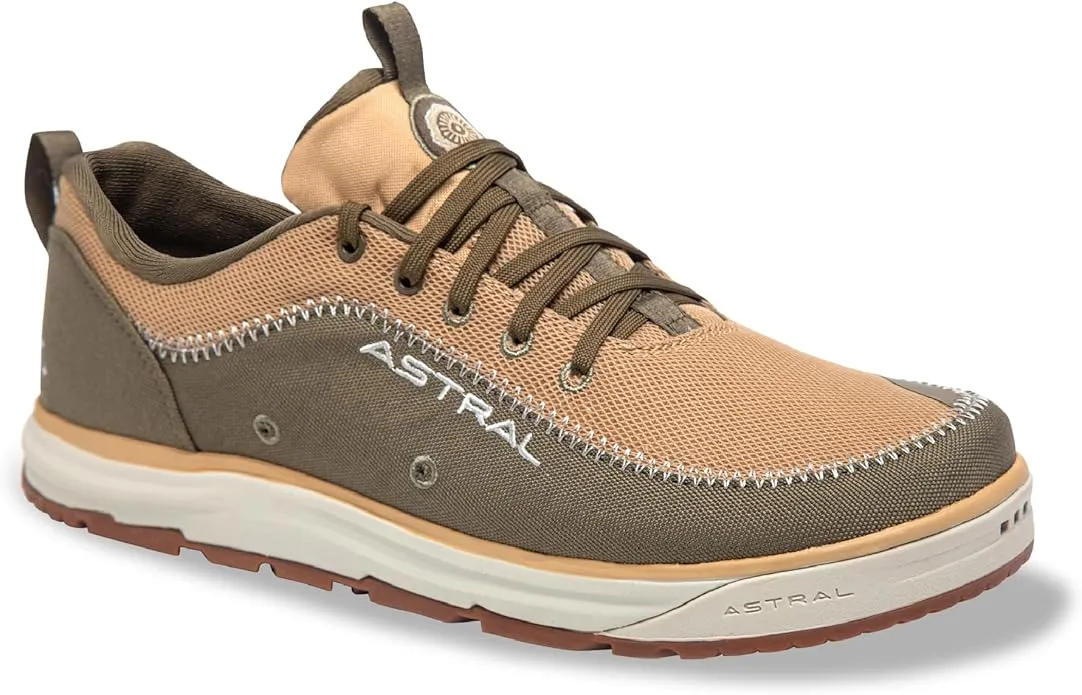
The Brewer 3.0 is the shoe the fly-shop and packraft crowd has quietly settled on, and the Astral fan club is not a quiet group of people. It's a closed-toe water shoe built around three things that actually matter on a freestone: a sticky G.ss rubber outsole, a zero-drop level footbed, and a toe box wide enough that your foot can splay out on uneven rock instead of stacking up.
According to Astral's own product page and GearJunkie's field review, the upper is a quick-draining mesh with a built-in sock liner, so you can wear them barefoot without losing skin to the tongue. That last detail matters. A wet wading shoe you can't wear barefoot is a wet wading shoe you have to pair with a neoprene sock, and now you're carrying two pieces of gear instead of one.
What I love: The traction is the real story. Treeline Review's 2026 wet wading roundup, which tested 23 different shoes across four states, ranks the G.ss rubber compound near the top for grip on mossy submerged rocks. I've worn the 2.0 version on the Provo and the 3.0 fixes the only thing the 2.0 got wrong. The hot spots where the lacing crossed the top of the foot. The new model uses a smoother, padded eyelet pattern and the rub is gone.
They drain fast. Treeline reported them dry to the touch within 30 minutes on dry land. That's the difference between a comfortable hike back to the truck and a swampy one.
What I'd change: The price. At $112.50 it is the most expensive shoe on this list, and the colorways lean weird (the current run includes a turquoise-and-orange option that looks like a sherbet container). The build will outlast the colorway, but you'll see it every time you put them on.
Who it's for: Mountain West trout anglers. Tailwater nymphers. Anyone who wades cobble, mossy basalt, willow-root undercuts, or anything where slipping is a real possibility. If you regularly fish water that comes from snowmelt, this is the pick.
Who it's not for: Someone who only wades two or three times a year. The Brewer is overbuilt for occasional use and the price reflects that.
Check the Astral Brewer 3.0 on Amazon
KEEN Newport H2: Best Durability and Toe Protection
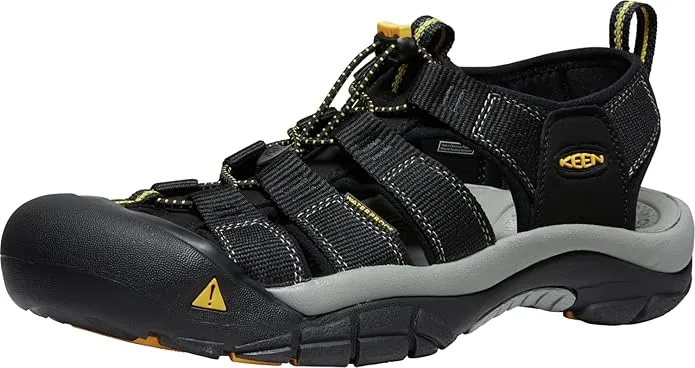
The Newport H2 is the shoe my dad would still be wearing in 2040. KEEN has barely changed the design in two decades, which sounds like a knock until you remember the reason most fishing gear gets updated every two years is that the last version didn't work. This one works.
It's a hybrid sandal-shoe. Polyester webbing upper, bungee lacing with a single barrel lock, machine-washable, and the signature rubber toe bumper that has saved approximately every KEEN-wearing person on Earth from one broken toe. The closed front is the entire pitch here. If you've ever caught your big toe on a sunken rock you'd otherwise be staring at, you understand instantly.
You might also enjoy: Middle Provo River Wade Fishing: Access, Parking, and Hatches Mile by Mile
What I love: Bank walking. The Newport is the most comfortable shoe on this list to walk a quarter-mile of dry trail in. The footbed has actual cushioning (the Brewer does not) and the bungee lace doesn't loosen the way regular laces do when soaked. Hatch Magazine's wet-wading footwear feature singles out closed-toe sandals like the Newport for anglers who fish boulder gardens, and that's the right read. On the New River in late June the rock-kicking happens whether you want it to or not.
The 4.6-star rating on Amazon comes off 443 reviews. That's the largest sample size of any shoe on this list. The pattern in the reviews is people coming back six and seven years later still wearing the same pair.
What I'd change: The sole grip is a step down from the Brewer's G.ss rubber. KEEN's outsole is a generic non-marking compound that does fine on rocks but is not in the same conversation as Astral or Vibram on slick algae. If you fish water with consistently mossy rock, this isn't the best traction pick.
They also drain slower than the Brewer or the Chaco. The closed toe is a feature and a bug. Pebbles still get in, and once they're in they take a deliberate stop to get out.
Who it's for: Smallmouth anglers walking long stretches of bank between holes. East Coast freestone fishers. Anyone who's broken a toe before and has Opinions about it. Kids and teenagers who will absolutely kick a rock at full speed. Anglers who want one shoe for fishing, the dock, the canoe portage, and the campsite.
Check the KEEN Newport H2 on Amazon
Chaco Classic: Best for Warm Calm Water
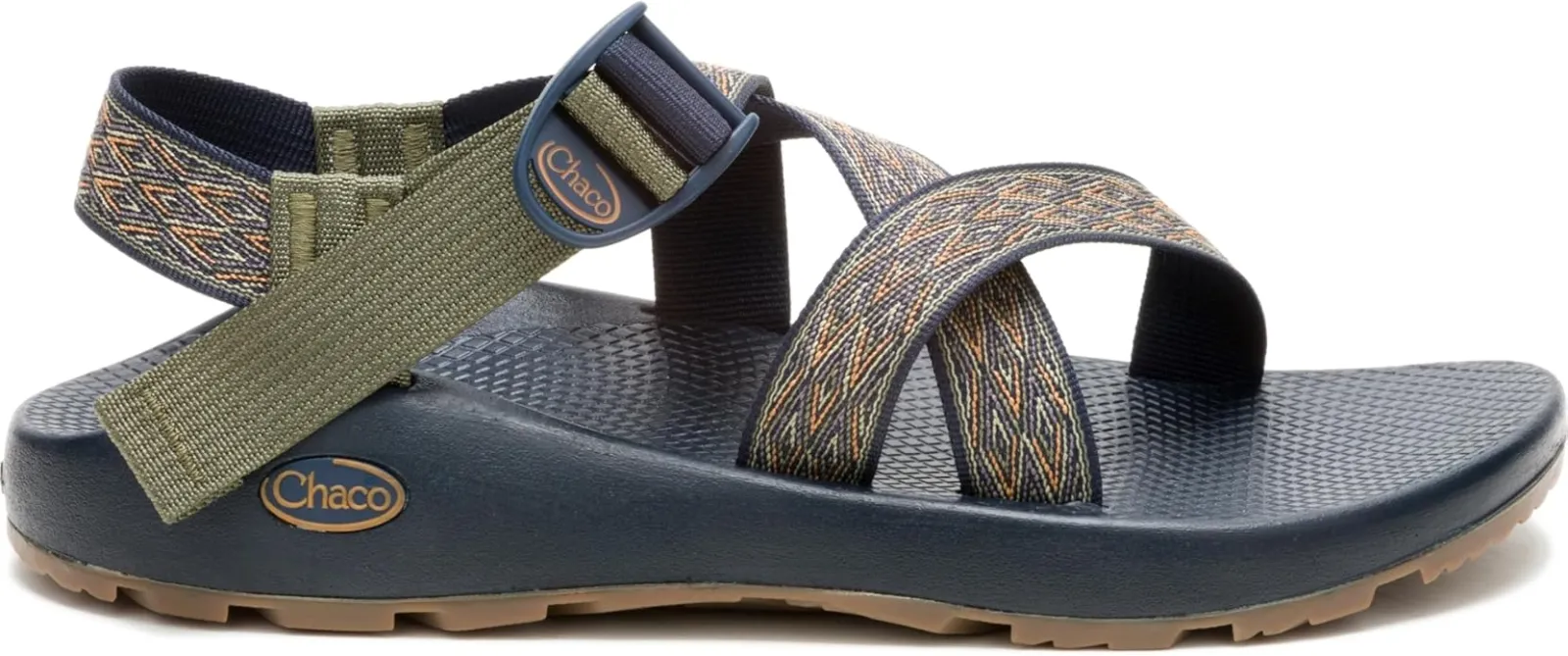
The Chaco is the one I'll lose readers on. A lot of fly fishing writers will tell you not to wear sandals for wet wading because of toe injuries, and they are correct in the contexts they're describing: cold trout water, big rocks, fast current. In those contexts I agree. Wear the Brewer.
But the people writing those articles tend to forget that most of the fishing in America is not cold trout water. Smallmouth on the James, largemouth in a Texas creek, redfish in shallow grass flats, panfish in a Florida pond, carp on a slow Midwest river in August. In all of those, foot temperature management matters more than toe protection, and a Chaco vents better than anything with a closed front.
What I love: The one-piece adjustable strap. You can tune it tight enough that the sandal stays planted when you're high-stepping out of mud, and the ChacoGrip rubber is grippier than people give it credit for on hard-bottom flats and limestone-bottom creeks. The 1,168-review Amazon rating of 4.5 reflects what Chacos have always been: boring in the best possible way. You buy a pair, you wear them for a decade, the strap eventually frays, you send them in for resoling.
Drainage is total. There is nothing to drain, because there is no shoe.
What I'd change: The break-in is real. New Chacos will give you a hot spot on the top of your foot where the strap first loops through the footbed, and the only fix is putting on miles. Plan to wear them on a few dog walks before the first real fishing trip.
Who it's for: Southern and East Coast warm-water anglers. Flats wade fishers. Anyone fishing water above 70 degrees who isn't going to drive a toe into a boulder. Kayak anglers who hop in and out a lot and don't want to wring out a closed shoe ten times a day.
Who it's not for: Mountain trout. Stop reading and scroll back up to the Brewer.
You might also enjoy: Weber River Brown Trout: Where to Find Trophy Browns Below Rockport
Check the Chaco Classic on Amazon
How do I choose between the three?
The three shoes cover three different fishing situations, not three price points. Pick by what you fish, not what you can afford.
| If you fish... | Pick | Why |
|---|---|---|
| Cold freestones with mossy cobble (Madison, Gunnison, Deschutes) | Astral Brewer 3.0 | Best traction. Sticky G.ss rubber holds on algae and slick basalt. |
| Long bank walks, boulder gardens, rocky smallmouth water | KEEN Newport H2 | Toe bumper, cushioned footbed, comfortable on dry trail. |
| Warm flats, calm rivers, southern bass and panfish water | Chaco Classic | Maximum drainage and ventilation. Single-strap tunability. |
If you genuinely fish all three of those situations in a year (you live somewhere weird and great, like Asheville or Boulder), the honest answer is you'll end up owning two of these eventually. Most people start with the one matched to their home water and add a second a few seasons in.
What about Simms, Orvis, and Korkers?
Fair question. The fly-shop premium tier (Simms Flyweight, Orvis PRO Approach, Korkers All-Axis) gets recommended constantly on forums, and several of them are excellent shoes. The Flyweight in particular shows up on every Reddit recommendation thread and Treeline's testers ranked it as their upgrade pick.
The problem with recommending them in a piece like this is they aren't reliably stocked on Amazon. Simms and Korkers route most of their inventory through their authorized dealer network, which means listings come and go, third-party sellers list them at markup, and the size you want is usually not available at the price you saw last week. I won't recommend a product I can't link to a current, in-stock listing. If you want one of those shoes, buy direct from the brand's site or your local fly shop and you'll get a better price and warranty support anyway.
Korkers in particular is worth a look if you fish multiple water types and care about swapping between felt and rubber soles. The interchangeable outsole system is genuinely useful. It's also $180 to $220 and overkill for someone who just wants to retire the waders for a season.
When should I put on wet wading shoes instead of waders?
The rule I use: water temp 60°F or higher AND air temp 75°F or higher at the time you'll be in the water. Both numbers, not one.
The water temp is the floor. Below 60°F your feet will get cold inside an hour even on a warm day, and cold feet kill the trip faster than rain does. The air temp is what determines whether you can warm back up between wades. Walking out of 62-degree water onto a 78-degree gravel bar in the sun is comfortable; doing the same onto a 58-degree shaded bank with wind is not.
If your river is borderline, a 3mm neoprene wading sock under any of the three shoes above gets you another 8 to 10 degrees of cold tolerance. Once you've added the sock, you might as well lace up boots. But for a one-off chilly morning that warms up by 1pm, the sock-plus-shoe combo is the right call.
For trout anglers there's a separate question on the other end of the season: when does the water get too warm to fish ethically? That one's covered in our water-temperature decision tree piece. Short version: anything north of 68°F sustained means you're killing the fish you release, wet wading shoes or not. Montana FWP keeps a running list of current closures and restrictions triggered by exactly those temperatures. There's a window in summer, usually mid-June through mid-August in the Mountain West, where wet wading is comfortable AND the water is fishable. Work in that window.
One more thing
Keep a log of which shoe you wore on which water and how it held up. The reason I'm confident the Brewer wins for mountain cobble and the Chaco wins for warm flats is that I have years of trips backing each one. If you're new to wet wading, try Bushwhack to log your trips with water temps and gear notes. Three seasons in, you'll have your own field-tested gear opinions instead of borrowed ones.
See you out there.
Get fishing tips in your inbox
New guides, seasonal tactics, and gear picks — about once a month, no spam.