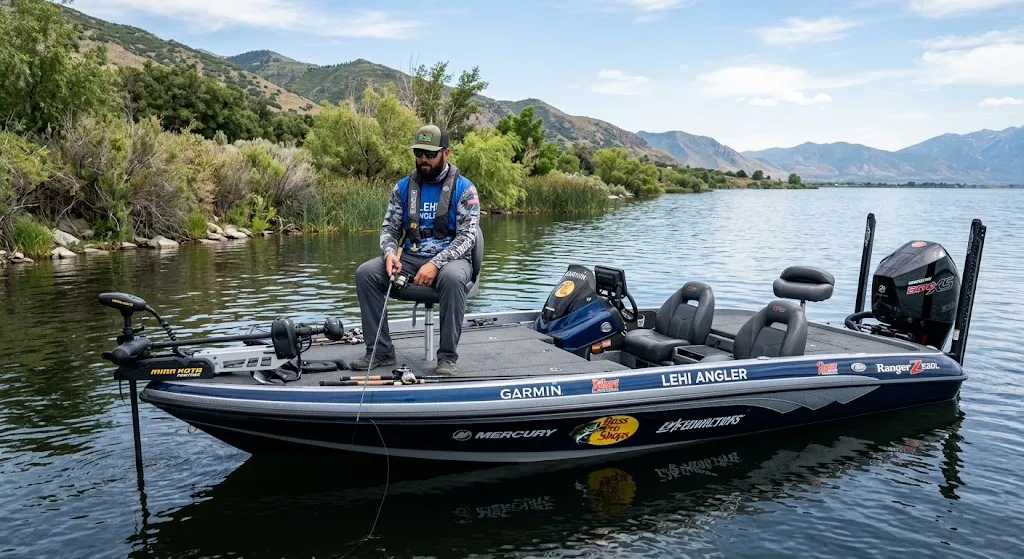
Best Insect Repellent for Fishing: Bug Protection That Won't Kill the Bite (2026)
 Hudson Reed
Written by Hudson Reed
Nothing empties a warm July evening on the water faster than a cloud of black flies finding the soft skin behind your ears right as the bite turns on. You slap, you flail, you miss the hookset because you were swatting, not watching. The best insect repellent for fishing fixes that, but it has to clear a bar hikers and backyard grillers never think about: it can't melt your fly line, it can't dissolve the finish on a favorite jerkbait, and it can't leave a chemical film on your fingers that puts fish off your bait.
That last part is where most "best bug spray" lists fall apart for anglers. They rank sprays on protection hours and skin feel and stop there. On the water, gear compatibility and scent matter just as much as whether the mosquitoes leave you alone.
Below are four picks worth keeping in a boat bag or wading pack, split across the three chemistries that actually work (picaridin, DEET, and permethrin) plus a Thermacell unit for when you're parked in one spot. This isn't about one magic bottle. It's about matching the tool to how you fish.
Quick picks: the best insect repellent for fishing in 2026
| Product | Best for | Price | Rating |
|---|---|---|---|
| OFF! Clean Feel Picaridin 20% | Everyday, gear-safe skin protection | About $12 (2-pack) | 4.5/5 |
| Sawyer Premium Maxi-DEET | Brutal swamp and backcountry bug pressure | About $11 | 4.5/5 |
| Sawyer Permethrin | Treating waders, hats, nets, and shirts | About $19 | 4.6/5 |
| Thermacell E-ZoneGuard Patio+ | Boat, dock, and bank (no spray on your hands) | About $39 | 4/5 |
DEET vs. picaridin vs. permethrin: what actually matters on the water
Three active ingredients do the heavy lifting. Two go on your skin, one goes on your clothes, and knowing which is which saves you a ruined reel.
Picaridin is the angler's default. It's synthetic, odorless once it dries, and the big one: it doesn't dissolve plastics or synthetic coatings. REI and the Appalachian Mountain Club both point out that DEET attacks synthetics while picaridin leaves them alone, which is exactly why it won't cloud your sunglasses, chew up your watch band, or weaken monofilament. Field studies summarized by the AMC found 20% picaridin holds its own against DEET on mosquitoes and matches it on ticks. For most days on most water, it's the right answer.
DEET is the sledgehammer. Nothing beats it when the bugs are genuinely biblical, think tidal marsh at dusk or a backcountry brook-trout pond in June. The catch is real: DEET melts fishing line, softens soft plastics, and can haze the finish on hard baits. Keep it on your skin and off everything you touch with your rod hand.
Permethrin isn't a skin spray at all. You treat clothing and gear with it, let it dry, and it bonds to the fabric. It repels and actually kills ticks on contact. A University of Rhode Island study found people wearing permethrin-treated shoes and socks were 73.6 times less likely to get a tick bite than those in untreated footwear. For anyone fishing tick country, that number alone justifies a bottle.
OFF! Clean Feel Picaridin 20%: the best all-around pick for anglers

If you buy one bottle for the season, buy this one. It's 20% picaridin, the concentration the CDC lists, in a fragrance-free aerosol that dries clean instead of leaving the greasy, throat-coating cloud you get from old-school sprays. OFF! has leaned hard into the angler and outdoors market with its picaridin line.
Who it's for
The everyday angler who touches line, lures, and fish all day. Bank fishermen, kayak anglers, anybody wading a bassy pond in shorts.
You might also enjoy: Best Floating Waterproof Phone Pouches for Fishing (2026)
Pros and cons
- Won't damage fishing line, soft plastics, or sunglasses
- Fragrance-free and dries without a greasy film
- Picaridin repels mosquitoes, ticks, gnats, and biting flies
- Aerosol is easy to apply one-handed in a boat
- Protection runs closer to 8 hours than the 12 you get from higher-strength picaridin, so plan on a midday touch-up on a full day
Around $12 for a two-pack, which is a genuine bargain for the season. Check the current price on Amazon.
Sawyer Maxi-DEET: the nuclear option for swamp-grade bug pressure

Here's the contrarian take: most anglers don't need DEET, and 100% DEET is genuinely a bad idea to slather on before you handle your gear. So why is it on the list? Because when you're wading a Louisiana marsh in August or fighting no-see-ums on a northern lake at last light, nothing else keeps working. Sawyer's Maxi-DEET is a low-odor 100% formula rated for up to 10 hours. It's a specialty tool, not your daily driver.
Who it's for
Anglers heading into the worst bug country on earth, and anyone who reacts poorly to picaridin. Also handy dabbed on the tops of your boots and the outside of a pack, away from where your hands work.
Pros and cons
- The most proven, longest-lasting protection when bugs are relentless
- Low-odor formula for a 100% DEET product
- Tiny bottle disappears in a vest pocket
- Will melt line, soften soft plastics, and damage lure finishes, so keep it off your gear and rinse your hands before you tie on
- Overkill for a normal afternoon on the local pond
Roughly $11 for a bottle that lasts multiple seasons if you're using it as a backup. Check the current price on Amazon.
Sawyer Permethrin: treat your waders, hat, and net once

This is the cheapest per day of protection on the list. You spray it on your fishing shirt, hat, wading socks, and even your net and pack, hang everything to dry, and the treatment bonds to the fabric for about six weeks or six washings per Sawyer. Then you barely think about bugs landing on your clothes again. It's odorless once dry and won't stain. With over 42,000 ratings and a 4.6-star average on Amazon, it's the runaway favorite in this category for a reason.
Who it's for
Everyone, honestly, but especially fly anglers standing in tick-heavy grass to reach a stream, and anyone who spends real time in the woods getting to their water. Permethrin on your waders and socks is the single best move against ticks you can make.
Pros and cons
- Kills and repels ticks on contact, not just repels
- One treatment lasts weeks, so cost per outing is tiny
- Odorless and non-greasy after it dries, with no effect on how you handle bait
- Safe on nets, packs, and boots as well as clothing
- Never goes on skin, and it's toxic to cats until fully dry, so treat gear outside and away from pets
About $19 for a trigger bottle that treats several outfits. Check the current price on Amazon.
Thermacell E-ZoneGuard Patio+: a bug-free bubble for the boat or bank
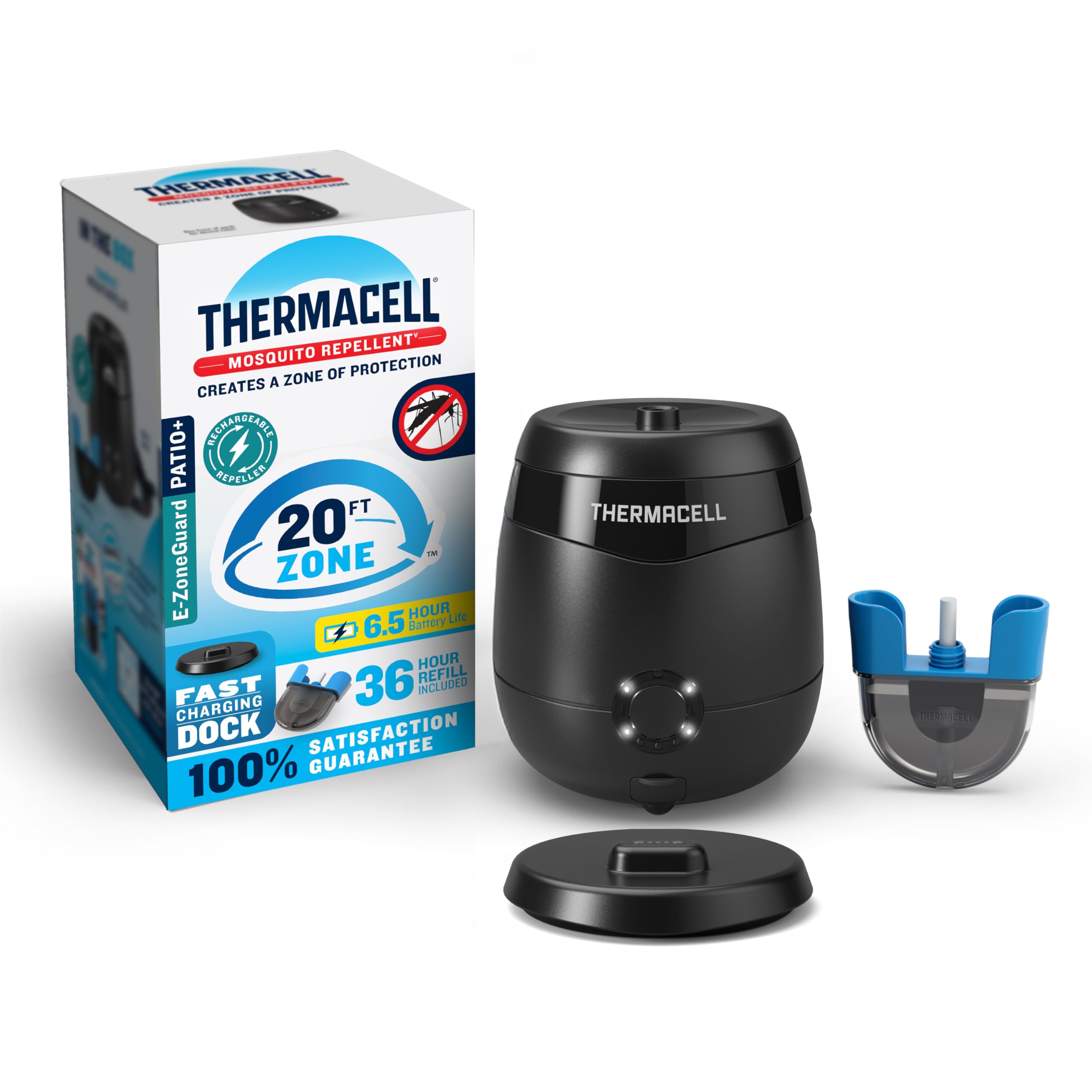
When you're anchored on a spot, sitting on a dock, or dunking bait from the bank, the smartest move is to put zero repellent on your hands at all. Thermacell's rechargeable E-series units create a 20-foot zone of protection using allethrin, a synthetic version of a compound from chrysanthemum flowers. No spray, no scent on your fingers, nothing to transfer to your bait. Thermacell says it reaches full coverage in about 15 minutes, with an E-series zone roughly 80% larger than its original mats. These area repellers are EPA-registered, and because the protection works as an airborne vapor there is nothing to spray on your hands or transfer into the water.
You might also enjoy: The Best Time of Day to Fish in Summer (By Species)
Who it's for
Bait anglers, dock sitters, kayak and boat anglers who stay put, and anyone who fishes with kids and would rather not spray them down every hour. Reviewers consistently note it works best in still air.
Pros and cons
- Keeps repellent off your hands entirely, so nothing taints your bait
- Rechargeable, scent-free, no butane cartridge to fuss with
- 20-foot zone covers a boat cockpit or a bank chair
- Fast-charging dock and a 6.5-hour battery
- Wind is its enemy, so a breezy day on open water cuts it down; it shines in sheltered spots
Around $39, and worth every dollar if you fish the same quiet coves and docks all summer. Check the current price on Amazon.
Will insect repellent damage your fishing line and lures?
Yes, but only DEET. DEET is a plasticizer, which is why it softens and hazes monofilament, soft plastic baits, painted lure bodies, and even sunglass frames on contact. Picaridin and permethrin do not attack synthetics, which is the whole reason picaridin has become the standard recommendation for anglers. If you carry DEET for the worst days, keep it off your rod hand and rinse before you handle line. If you want to stop thinking about it, run picaridin on your skin and treat your clothes with permethrin, and your gear is safe.
Does bug spray scent scare fish or ruin your bait?
It can, and this is the piece nobody talks about. Fish, especially catfish, bass, and trout keying on scent, can detect foreign chemicals transferred from your fingers to a bait or lure. DEET and heavily fragranced sprays are the main culprits. The fixes are simple: choose a fragrance-free picaridin so there's less odor to begin with, or skip skin spray entirely and run a Thermacell so nothing touches your hands. Permethrin on clothing is a non-issue here because it's dry and bonded to fabric long before you start fishing. If you're a scent-conscious bait angler, that combination of permethrin clothing plus an area repeller is the cleanest setup going.
How to pick your bug protection
Think in layers, not one bottle. Start with permethrin on the clothing and gear you wear most, since it's cheap, lasts weeks, and does the heavy tick work. Add a fragrance-free picaridin for exposed skin on normal days. Keep a small bottle of DEET in the bag for the rare swamp trip that earns it. And if you fish stationary from a boat, dock, or bank, a Thermacell keeps your hands clean for bait. If you want to compare other registered options, the EPA's repellent search tool lets you filter by active ingredient and protection time.
Two practical notes. Sweat and hand-dunking wear skin repellent off faster than the label hours suggest, so plan a midday reapply on a hot day. And treat gear with permethrin the day before a trip so it dries fully.
Our pick
For the widest range of anglers, the winning combo is Sawyer Permethrin on your clothes and OFF! Clean Feel Picaridin on your skin. That pairing runs under $35, protects against ticks and biting insects for weeks at a time, and never puts a chemical your gear or your bait will regret near either one. Add the Thermacell if you fish from a fixed spot, and save the DEET for the marsh. Log which spots chew you up worst and when right alongside your catches with Bushwhack, and you'll plan your bug defense the way you plan your tackle.
Get fishing tips in your inbox
New guides, seasonal tactics, and gear picks — about once a month, no spam.