How to Find Bluegill Beds in Spring (And Fish the Pre-Spawn)
 Hudson Reed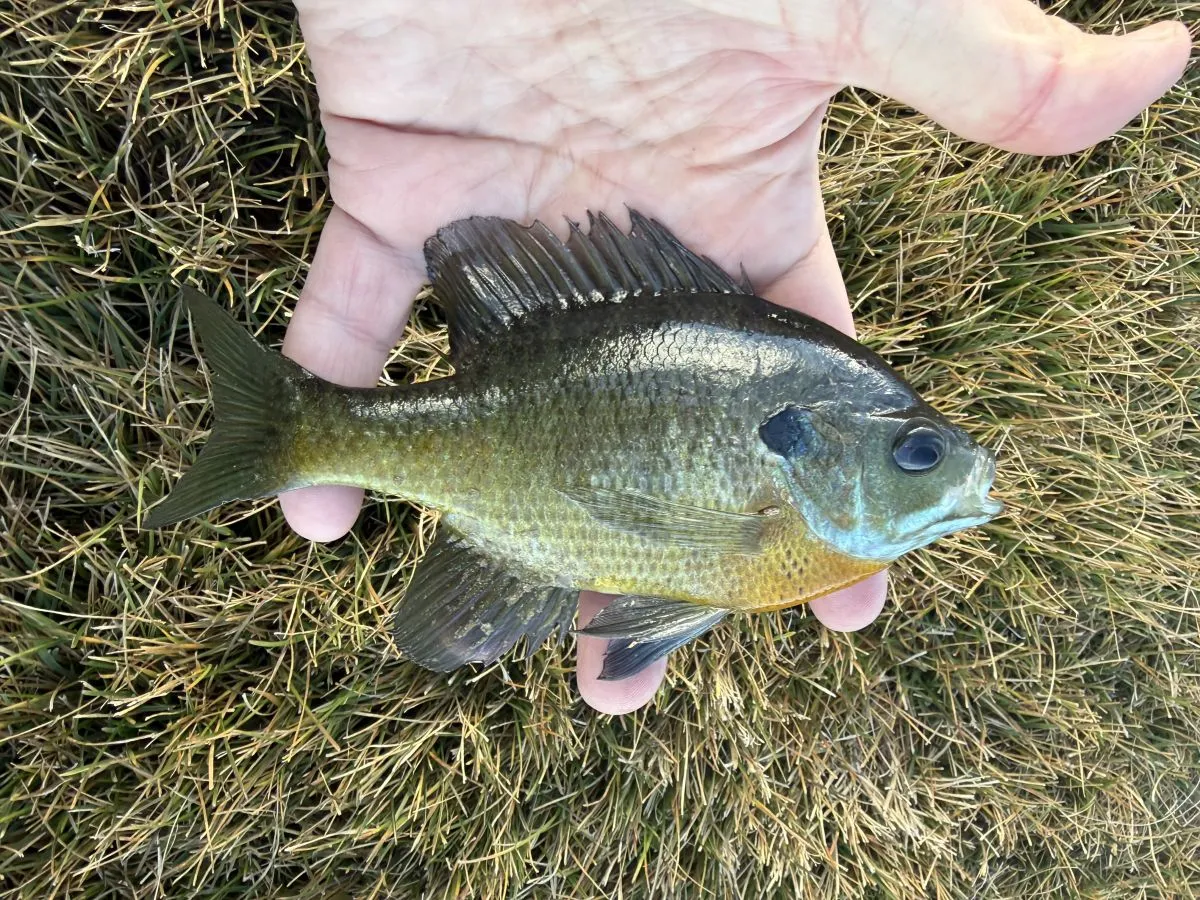
Written by Hudson Reed
If you want to know how to find bluegill beds in spring, you're asking the right question, but the full answer starts weeks before those beds are even visible. The biggest bluegill of the year aren't sitting on the beds. They're staging in transition water, feeding aggressively, and almost nobody is targeting them. This guide breaks down every phase from ice-out to active spawn, with the water temperatures, depths, and bottom types you need to find fish at each stage.
Why the Pre-Spawn Window Beats the Spawn for Big Bluegill
Bedding bluegill get all the attention, but the pre-spawn is where trophy panfish are most catchable. Before the spawn, big fish are focused entirely on feeding, building energy reserves for the demands of reproduction. They're aggressive, they're in predictable transition areas, and most anglers aren't bothering with them yet because no beds are visible.
Once fish are on beds, they're guarding territory, not chasing food. You can still catch them, but you're triggering reaction strikes from protective males rather than hungry fish. The pre-spawn window, roughly the four to six weeks before water temperatures hit the spawning threshold, gives you the best shot at numbers and size in the same trip.
Phase 1: Ice-Out to 52°F, Deep Staging Areas
Right after ice-out, bluegill are still holding deep in basin edges, old channel swings, and the deepest available structure in your lake, typically 10-20 feet. Water is cold and uniform, and fish are lethargic. Don't ignore them entirely, but this is the toughest window of the season.
What you're watching for is that first warming trend. As surface temps climb toward 50°F, the first aquatic insect hatches begin along shoreline vegetation. Once water hits 50°F-52°F consistently for several days, lake flies emerge and collect along weed edges, and bluegill start responding. Target the 8-12 foot depth range near the steepest available transition, working slowly.
Phase 2: 52°F to 62°F, Mid-Depth Transition Cover
This is the most underrated phase for catching big panfish. As temperatures push from 52°F to 62°F, bluegill pull out of deep wintering areas and push toward mid-depth cover, in 4-8 feet of water near rockpiles, submerged brush, emergent weed edges, flooded timber, and dock pilings with algae growth.
Food is the driver here, not spawning instinct. Insect hatches concentrate near this shallow-edge cover, and small baitfish gather there too. One important detail: a difference of just 2°F matters enormously at this stage. Fish holding at 54°F can be feeding hard while identical cover at 52°F holds nothing. Check your electronics, focus on the warmest available cover in any given area, and be patient as conditions change day to day.
For baits, go small and subtle. Tiny hair jigs from 1/32 to 1/80 ounce tipped with a waxworm or redworm are the gold standard. Use a dead-stick approach: hold the jig perfectly still with just the occasional micro-twitch. Soft plastics with fine hackle or marabou also work well because the material keeps moving even when the jig is stationary.
Save your spots. Use Bushwhack's fishing log to record which mid-depth cover holds fish at which temperatures. You'll notice patterns quickly.
You might also enjoy: Spring Crappie Fishing Tips: Ice-Out to Spawn
Phase 3: 62°F to 67°F, Shallow Staging and the Pre-Spawn Prime Time
When water temperatures settle in the low-to-mid 60s, bluegill move aggressively into shallow water, 1 to 3 feet, near brushy banks, fallen timber, overhanging vegetation, and dock edges. They're still pre-spawn, still feeding hard, and this is genuinely the best window of the spring season for catching large fish.
Two things to know about where they go first: north-facing shorelines and dark-bottomed bays. North shorelines receive the most direct sunlight during early spring, and dark silt absorbs heat faster than sandy or rocky bottoms, which means those areas reach fishable temperatures days ahead of the rest of the lake. Hit them first.
Approach matters at this stage. Fish are in clear, shallow water with nothing over their heads. Stay well back from the bank, keep low, wear dull clothing, and watch your shadow. A pair of polarized sunglasses will help you spot fish and dark patches of structure before you spook them, and our best polarized fishing sunglasses under $50 roundup has four pairs under $30. Work the bank slowly and methodically.
How to Find Bluegill Beds in Spring Once Spawning Starts (67°F-80°F)
Once water temperatures crack 67°F, the spawn is underway. Now you can start looking for actual beds. Male bluegill sweep out saucer-shaped depressions in sandy, gravelly, or firm-bottom areas, typically in 2 to 6 feet of water, and these nests cluster together in large colonies called bedding areas. A single bedding area can hold dozens of nests within a surprisingly small stretch of shoreline.
Here's how to find them:
- Polarized glasses on a calm, sunny day: this is the number-one tool. Surface glare kills your ability to see bottom; polarized lenses cut through it. Look for circular pale patches on dark or sandy bottoms with fish hovering over them.
- Back of bays and protected coves: sheltered water stays calm and warms faster. These are the first beds you'll find each spring.
- Hard bottom transitions: where soft mud meets gravel or sand, you'll often find the edge of a bedding colony. Bluegill prefer firm bottom for nest construction.
- Near structure: submerged logs, dock pilings, weed edges, and stumps adjacent to open sandy bottom are prime. The structure provides security; the open bottom gives them a place to build.
Spawning can run from May through July in most of the country, and bluegill can spawn multiple times in a season. Southern lakes start weeks earlier than northern ones, so dial in your local timing rather than following a calendar date.
Bottom Types and Structure at Each Phase
Not all bottom is equal, and what you're looking for changes as the season progresses:
- Early pre-spawn (52°F-58°F): Focus on dark silt bottoms in bays and coves, they warm fastest and trigger early insect activity. Secondary targets: submerged wood and rock near depth transitions.
- Mid pre-spawn (58°F-65°F): Brush, stumps, flooded timber, and dock pilings with biological growth (algae, biofilm). These surfaces hold aquatic invertebrates and concentrate baitfish, which draws bluegill.
- Active spawn (67°F+): Sandy, pebbly, or hard-pack bottom in 2-6 feet. Back of bays, protected points, shoreline flats near structure. Muddy open-water bottoms surrounded by lily pads work on some lakes too, so don't ignore them.
Best Baits for Pre-Spawn and Spawning Bluegill
The right bait shifts as fish move through phases. Here's what works at each stage:
- Early pre-spawn (cold water): Tiny jigs (1/32-1/80 oz) tipped with waxworms or redworms. Dead-stick under a small float. Live bait on a drop-shot rig when fish are deeper. Go slow. Cold fish won't chase.
- Mid pre-spawn (mid-60s): Soft plastics, small tube jigs, marabou or hackle-tied jigs. Small crankbaits can trigger reaction strikes from big aggressive males. Small poppers and foam flies work as surface temps rise.
- Active beds: Live crickets, red worms, and small nightcrawlers under a bobber remain classics. Small inline spinners and beadhead nymphs on fly tackle work well too. For more bait and lure options, browse Bushwhack's flies and lures section.
Whatever you're throwing, keep your gear light and your leader thin, starting with a 500 or 1000-size reel like the ones in our best ultralight spinning reel roundup. Bluegill have small mouths and good eyesight, so heavy line and oversized hooks will cost you bites, especially in the clear water of early spring.
You might also enjoy: How to Catch More Fish After a Bad Trip: Turn Slow Days Into Data
How Do You Find Bluegill Beds From Shore?
You don't need a boat to find spring bluegill beds. Some of the best shoreline structure, such as fallen trees, dock edges, gravel points, and weed-line pockets, is most accessible from the bank.
Walk the shoreline slowly with polarized glasses and scan the bottom ahead of you before you cast. On a calm day in 2-4 feet of clear water, you can spot both fish and nest depressions from 20-30 feet away if you move quietly. Once you find a colony, fan your casts from the outside in rather than casting directly over the beds, because spooked fish shut down fast in shallow water.
Weather is your biggest variable as a shore angler. On warming, stable days, fish push tight to the bank and are easy to find. After a cold front, they pull out to slightly deeper water, 6-10 feet, just off their shallow haunts. Adjust your depth accordingly rather than abandoning the area entirely.
Track what you find: which banks, which structure, which depth, and you'll build a reliable spring map year over year. Log every outing in Bushwhack and let the data work for you next season.
Frequently Asked Questions
When do bluegill start bedding in spring?
Bluegill begin bedding when water temperatures reach 67°F, typically in late spring. In southern states this can happen in April or early May; in the northern U.S. and Canada it's often June. Watch your water temps, not the calendar.
Where do bluegill go before they spawn?
Before spawning, bluegill stage in mid-depth transition cover: rockpiles, submerged brush, and weed edges in 4-8 feet of water. They feed aggressively and are highly catchable in this phase, often more so than when they're actively on beds.
What is the best bait for pre-spawn bluegill?
Tiny hair jigs (1/32-1/80 oz) tipped with waxworms or redworms are hard to beat in cold pre-spawn water. As temps rise into the mid-60s, small soft plastics, marabou jigs, and even small topwater flies come into play. Keep it small and slow.
Ready to put this to work? Open your Bushwhack dashboard, check your local water temps, and match your approach to the phase your lake is in. The biggest bluegill of your spring are out there. They're just not on the beds yet.
Get fishing tips in your inbox
New guides, seasonal tactics, and gear picks — about once a month, no spam.