Fluorocarbon vs. Monofilament vs. Braid: Which Line Wins?
 Hudson Reed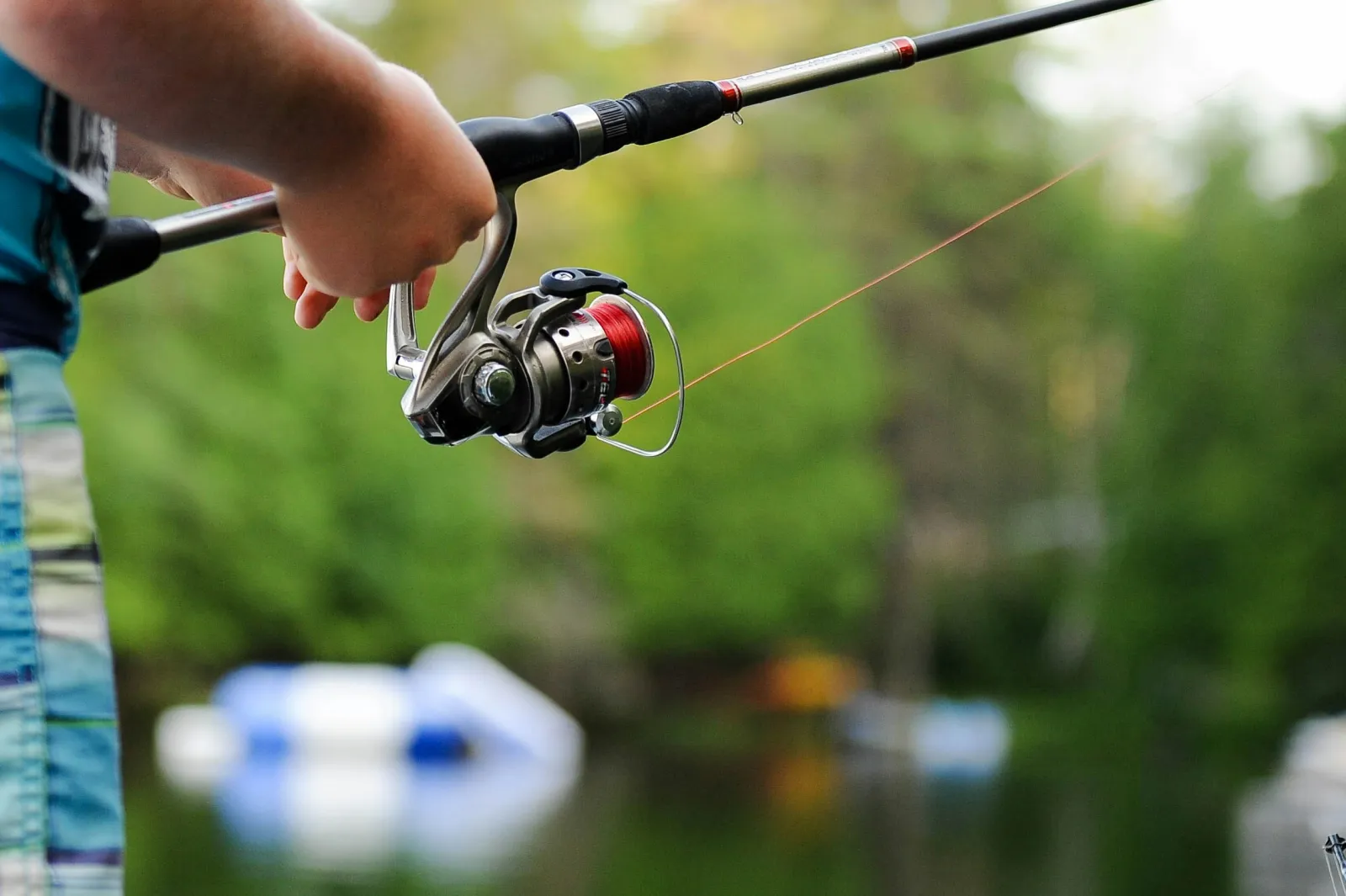
Written by Hudson Reed
You finally had the perfect setup. Clear reservoir, bass cruising the shallows, a spinning rod in hand, and then nothing. Cast after cast, no takes. Your buddy, fishing the same spot with a fluorocarbon leader, was landing fish every few minutes. The difference? Fluorocarbon vs monofilament vs braid isn't just a gear debate. It's the difference between a fish in the net and a long drive home empty-handed.
The good news: once you understand why each line type exists, the choice becomes obvious. This guide gives you a clear, technique- and species-based decision framework, with no brand recommendations, no fluff, just the logic that will help you spool the right line every time.
Braid: Sensitivity, Strength, and Distance
Braided line is built from multiple strands of ultra-strong synthetic fiber woven together. The result is a line with virtually zero stretch, incredible sensitivity, and a diameter far smaller than mono or fluoro at the same pound-test. That smaller diameter is why braid casts farther: less friction through the guides, more line in the air.
Because braid floats and doesn't stretch, you feel every tick, bump, and tap almost instantly. With monofilament, a subtle bite in deep water can disappear into the line's stretch before it ever reaches your hands. With braid, that signal travels straight to your fingertips.
When Braid Wins
- Heavy cover: Frog fishing over slop, flipping into laydowns, punching matted vegetation. Braid's strength lets you horse fish out of places that would snap lighter lines.
- Topwater distance: When you need to reach a far bank or cover water fast with a buzzbait or popper, braid's thin diameter and casting distance give you the edge.
- Deep jigging: Feeling a walleye inhale a jig at 25 feet requires a direct connection. Braid gives you that.
- Any situation demanding bite detection: Braid's lack of stretch makes it the most sensitive line type, period.
When Braid Loses
- Clear water: Braid is highly visible. Pressured fish in gin-clear lakes and streams will often refuse a braid mainline without a leader.
- Finesse topwater: For small poppers and walk-the-dog lures where you want the lure to sit high, mono's buoyancy can be an advantage.
- Shock absorption: Zero stretch can work against you when fish are making sudden, hard runs, especially with light treble hooks that can pull free.
Fluorocarbon: The Stealth Specialist
Fluorocarbon's superpower is invisibility. Its refractive index is nearly identical to water, meaning that when submerged, it nearly disappears from a fish's field of view. For species with sharp eyes (trout, walleye, clear-water bass) that invisibility can be the difference between bites and blank stares.
Fluoro is also denser than water, so it sinks. That's a feature for bottom-contact presentations like jigs, drop shots, and crankbaits. It's a bug for topwater fishing: a sinking mainline will drag your surface lure down and kill the action.
You might also enjoy: Chatterbait vs Swim Jig for Summer Grass: Which One to Tie On and When
When Fluoro Wins
- Clear water fishing: Trout streams, clear-water bass lakes, walleye in pressured reservoirs, anywhere fish can see your line, fluoro gives you stealth.
- Bottom-contact presentations: Jigs, football heads, drop shots, and crankbaits all benefit from fluorocarbon's sinking properties and low stretch.
- Leader material: Even if you run braid as your main line, a fluorocarbon leader gives you the invisibility where it counts most, right at the lure.
The Braid + Fluoro Leader Setup
This is the setup serious anglers rely on for finesse fishing. You spool the reel with braid, getting all the sensitivity, casting distance, and thin diameter benefits, and then tie on a 12- to 24-inch fluorocarbon leader at the business end. The fish only see the fluoro. You feel everything through the braid. It's the best of both worlds, and it's the go-to for spinning-gear drop shots, finesse jigs, and clear-water trout rigs.
Spring walleye fishing jigging
Monofilament: The Forgiver
Mono gets a bad reputation as the "beginner line," but that's not fair. Monofilament is the right line for specific situations: it just happens to also be forgiving and cheap, which is why beginners gravitate toward it. Don't let that fool you into thinking serious anglers don't still reach for it.
Mono stretches up to 25%, and it absorbs water during a fishing session, adding another 5 to 7 percent of elasticity on top of that. That stretch is shock absorption. When a fish slams a topwater lure with treble hooks and makes a hard run, mono gives just enough to keep those hooks from pulling. Fluorocarbon's low stretch can work against you in that moment.
When Mono Wins
- Topwater lures: Poppers, prop baits, walk-the-dog lures. Mono floats and its stretch absorbs the jarring impact of a blow-up strike, keeping treble hooks pinned.
- Trolling: When fish are making sudden surges on long trolling passes, mono's stretch acts like a shock absorber and reduces pulled hooks.
- Budget-conscious fishing: Fluorocarbon costs 2 to 3 times more than comparable monofilament. For beginner anglers or situations where you'll be cutting and retying often, mono saves money without sacrificing much.
- Beginners learning the sport: Mono's forgiving stretch and easy knotting make it the ideal starting line for anglers who are still developing their hookset and fighting technique.
When Mono Loses
- Deep-water jigging: All that stretch kills your ability to feel soft bites and drive a strong hookset at depth.
- Clear-water finesse: Mono is more visible than fluorocarbon underwater. In pressured, clear-water situations, fluoro is the better stealth choice.
- Heavy cover: Braid's strength-to-diameter ratio is far superior for pulling fish out of thick vegetation or wood.
Quick Decision Guide by Species and Technique
Here's a practical cheat sheet for common fishing scenarios:
You might also enjoy: Best Line Counter Trolling Reels for 2026 (Walleye, Salmon & Lake Trout)
- Bass, topwater (open water): Mono (small lures) or braid 30–50 lb (distance casting, buzzbaits, hollow-body frogs)
- Bass, heavy cover (flipping, punching): Braid, 50–65 lb
- Bass, finesse (drop shot, Ned rig): Braid mainline + 10–12 lb fluorocarbon leader
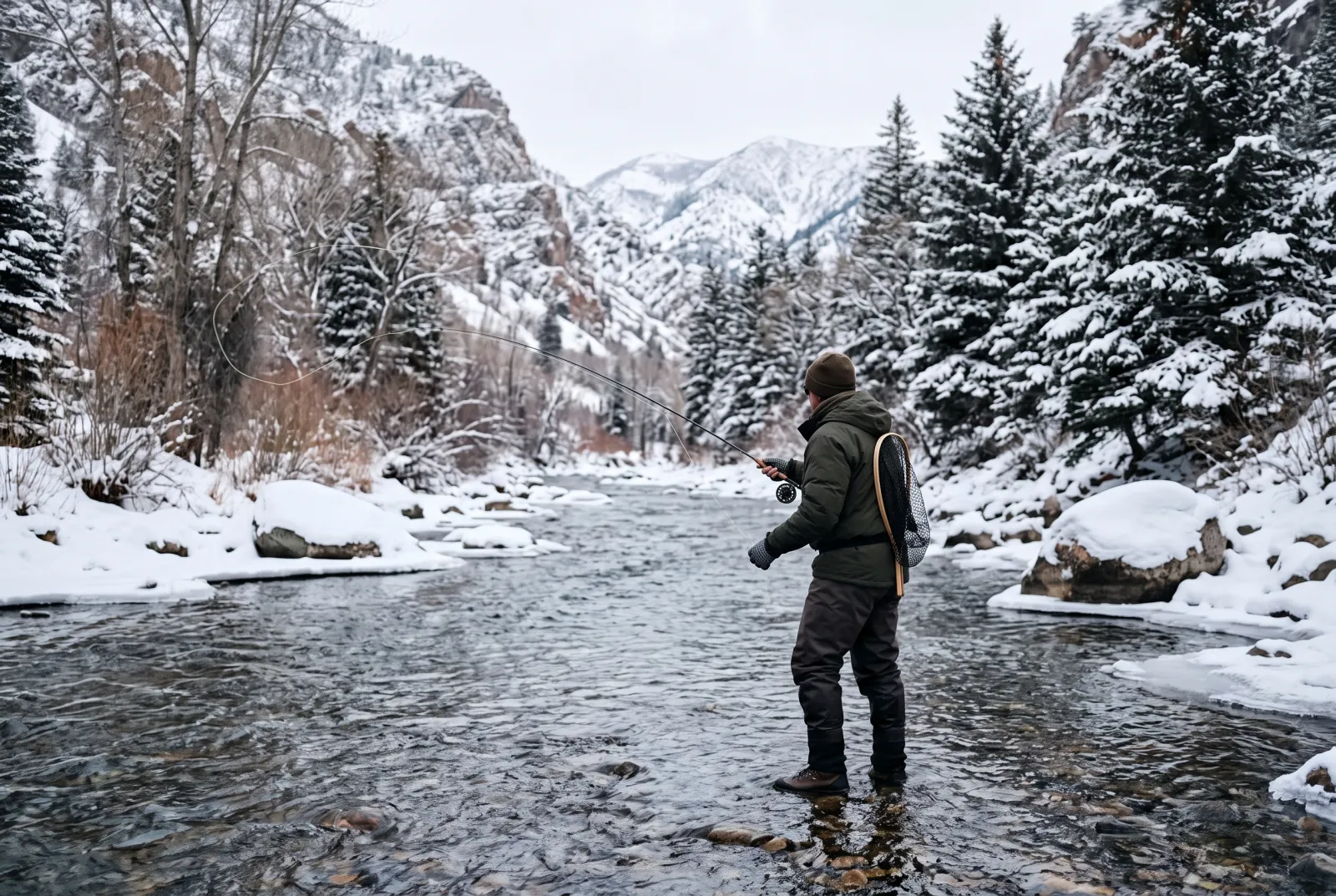
- Trout, clear streams and lakes: 2–6 lb fluorocarbon, or thin braid + long fluoro leader
- Walleye, jigging clear water: Fluorocarbon, 8–12 lb
- Walleye, deep jigging: Braid mainline + fluoro leader
- Inshore saltwater: 20–30 lb braid + 20–30 lb fluorocarbon leader
- Trolling (open water): Monofilament, 12–20 lb
- Beginners, all-around: Monofilament, 8–12 lb
Early spring bass fishing pre spawn
Which Fishing Line Should You Use?
There is no single best fishing line. The anglers who consistently catch fish aren't loyal to one line type: they're loyal to matching the line to the situation. Most serious freshwater anglers keep at least two or three rods rigged with different lines so they can adapt on the water without wasting time re-spooling.
Start with the questions: How clear is the water? Am I fishing heavy cover or open water? Does this lure need to sink or float? Once you know those answers, this guide points you to the right line every time.
As you experiment with different setups, keep track of what's working: water conditions, line type, technique, and results. That's exactly the kind of data Bushwhack is built to help you log. Over time, your own fishing history becomes the best line-selection guide you'll ever have.
Get fishing tips in your inbox
New guides, seasonal tactics, and gear picks — about once a month, no spam.