Carp Fishing for Beginners: The US Guide to America's Most Underrated Sport Fish
 Hudson Reed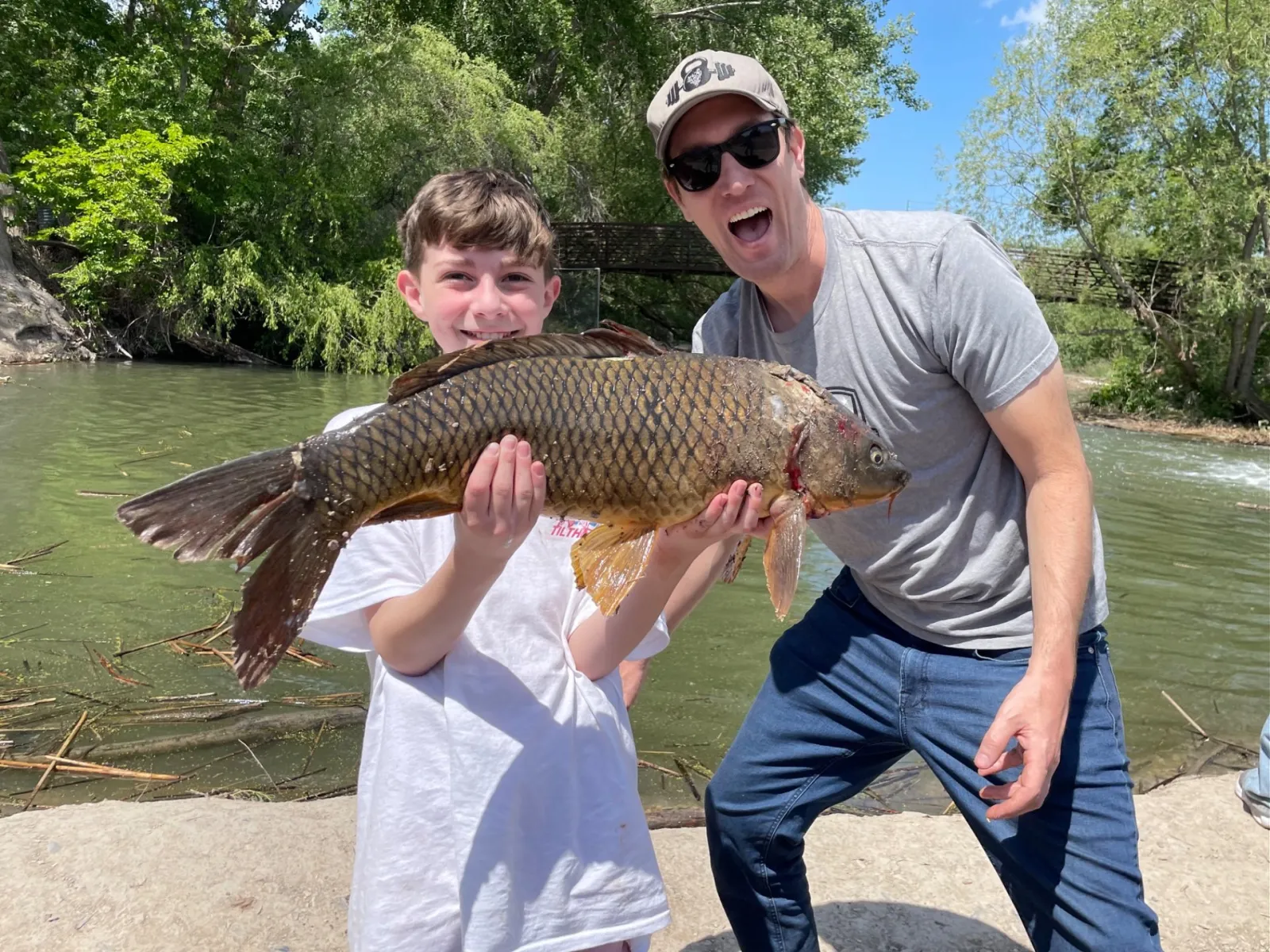
Written by Hudson Reed
Ask most American anglers what they think of carp and you'll get a dismissive answer. But here's the truth: carp fishing for beginners is one of the most accessible, exciting, and underrated pursuits in freshwater fishing. These fish exist in nearly every US state, commonly reach 10-20 pounds, and fight harder than most game fish you'll ever hook. European and Asian anglers have known this for centuries. America is finally catching up.
May is the single best month to get started: spawning carp stack up in the shallows, and sight-fishing for them is one of the most visual and exciting angling experiences in freshwater fishing.
Why Do Carp Deserve Your Attention?
Common carp were introduced to North America in the 1800s and have quietly spread to virtually every warm freshwater system in the lower 48 states. They grow large. 5 to 15 pounds is typical, with 20-40 pound fish not uncommon in many lakes and rivers. They're extremely strong fighters that use their broad, thick bodies to make powerful runs. And despite being everywhere, they receive almost zero angling pressure, which means they live in plain sight in places every angler already fishes.
Carp are also surprisingly intelligent. Some experienced anglers argue they're smarter than bass, with long-term memory that allows them to recognize and avoid specific presentations weeks after being hooked. That intelligence makes catching them genuinely rewarding.
May Carp Fishing: The Spawn Window
In most of the US, carp begin spawning when water temperatures reach 62-68°F, which typically falls in April through May depending on your region. This is the best window of the year to fish for them for two reasons:
- Pre-spawn fish are stacked in staging areas: large groups of big carp cruise the shallows in 2-5 feet of water for days or weeks before spawning begins, and they're catchable.
- Sight-fishing becomes possible: with carp visible in clear, shallow water, you can spot individual fish and present your bait directly to them.
Watch for carp rolling on the surface or finning in the shallows near weedy bays, creek mouths, and flooded vegetation. When you see groups of fish thrashing violently and crashing around together, they're actively spawning and won't bite, so give them time. The fish you want are the ones moving slowly and deliberately, tipping their noses down to feed.
How to Read and Approach Sight-Fishing Carp
Sight-fishing for carp in May is some of the most exciting fishing you can do. Here's how to approach it:
You might also enjoy: Spring Crappie Fishing Tips: Ice-Out to Spawn
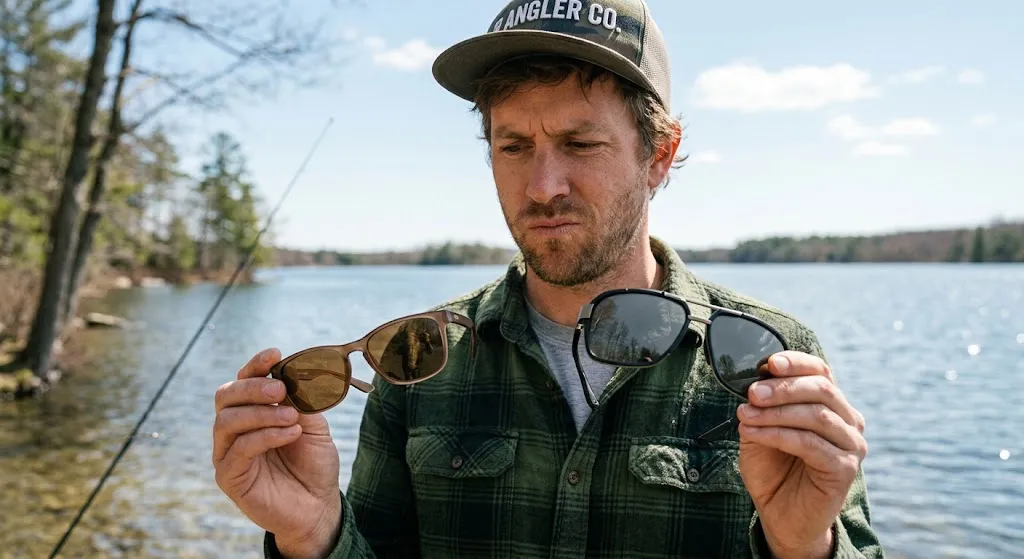
- Polarized sunglasses are essential: you simply cannot see fish in shallow water without them. Copper or amber lenses work best for freshwater sight fishing.
- Move slowly and low: carp have excellent peripheral vision and will spook from heavy footsteps on the bank or quick movements. Approach from downwind.
- Lead the fish: when you spot a feeding carp, place your bait 1-2 feet in front of its nose and let it settle to the bottom. Don't drop it right on top of the fish.
- Watch for the take: a feeding carp will often tip sideways slightly as it picks up the bait. You may see the line twitch or go slack before the fish feels the hook. Set firmly.
The Simplest Carp Fishing Setup
You don't need specialized European carp gear to get started. Here's a practical beginner setup:
- Rod: 7-9 foot medium-heavy spinning rod. A bass rod in the 7-foot range works fine to start.
- Reel: 4000-6000 size spinning reel with a smooth drag. Carp make powerful runs and your drag will work hard.
- Line: 15-20 lb braid mainline with a 12-15 lb fluorocarbon leader. The braid gives sensitivity and strength; the fluoro is less visible to these smart, pressured fish.
- Hook: Size 4-8 bait holder or wide-gap hook. Circle hooks help with hook sets for beginners: let the fish run and tighten the line rather than snapping the hook.
- Weight: 1-2 oz egg sinker above a barrel swivel, with an 18-inch leader to the hook. Simple and effective for still or slow water.
Track your carp tackle setups in Bushwhack. You'll quickly learn which line weights and hook sizes work best on your specific water.
Best Carp Baits for US Beginners
Sweet Corn (The Top Pick)
A can of sweet corn from any grocery store is the number one carp bait in the US. It's cheap, durable, and carp absolutely cannot resist it. Thread 2-3 kernels onto a size 6-8 hook and cast to feeding fish. Toss a small handful of loose corn around your bait as chum to keep fish in the area. This is genuinely one of the most effective setups in carp fishing, so don't overthink it.
Dough Balls
Mix white bread, cornmeal, or oatmeal with a little water and sweet flavoring (vanilla extract, corn syrup, strawberry Jell-O powder) into a firm dough. Roll into balls and mold tightly around your hook. Carp root around the bottom like pigs, and a dough ball sitting on the bottom releases scent that draws them in from a distance.
Nightcrawlers
A fat nightcrawler threaded onto a size 4 hook is a reliable backup bait, especially in rivers and murky water where carp feed more by scent. Less flashy than corn but effective when carp are cautious.
Mulberries (Late Spring Bonus)
If your local water has mulberry trees overhanging the bank, you've found a carp honey hole. Carp stack up beneath mulberry trees in late spring when the berries drop, and a floating mulberry on the surface gets eaten immediately. Freeline a berry with no weight on 8 lb mono for one of the most exciting bites in freshwater fishing.
You might also enjoy: How to Catch More Fish After a Bad Trip: Turn Slow Days Into Data
Bank Fishing vs. Wading for Carp
Bank fishing with a rod holder is the classic approach: cast your rig, prop the rod, and wait for the indicator to run. This is relaxed, social fishing ideal for families and beginners learning the basics. For May sight-fishing, wading slowly along the shoreline in shallow water gives you the visual advantage to spot individual fish. Either approach works. The key is staying stealthy and presenting bait where fish are actually feeding.
Log your productive carp spots in Bushwhack. Carp return to the same feeding areas and spawning flats year after year, making location notes more valuable with every season.
Catch and Release Tips for Carp
Carp are hardier than most game fish, but they deserve proper handling. Use a large landing net with rubber mesh: their scales are delicate and a standard knotted net can damage them. Keep the fish in the water as much as possible, wet your hands before handling, and support the belly on a large, soft surface if you're going to photograph the fish. A quick release keeps them healthy and catchable for the next angler.
Record your catch in Bushwhack. Tracking size, weight, and location helps you identify the best carp waters in your area over time.
Why May Is the Time to Start
Most anglers walk right past carp all season. They're in your neighborhood pond, the river behind the park, the reservoir you drive past on the way to work. They grow huge, they fight hard, and in May they're in two feet of water right in front of you. Grab a can of corn, rig up a basic bottom setup, and give it a try. The first time a 15-pound carp takes a run on your drag, you'll understand why this is one of the most popular game fish on the planet everywhere except the US.
Get fishing tips in your inbox
New guides, seasonal tactics, and gear picks — about once a month, no spam.