Best Summer Bass Lures for 2026: Topwater, Prop Baits, and Vibrating Jigs
 Hudson Reed
Written by Hudson Reed
The Best Summer Bass Lures for 2026
Summer bass have a way of being everywhere and nowhere at the same time. They'll blow up on shad along a riprap bank at dawn, then vanish into deep grass by 8 AM, then stack up under docks through the heat of the afternoon. The key is a rotation of just three or four lures that keep producing all day. That approach shaped this list. The best summer bass lures for 2026 aren't about chasing every new release. They're about covering the three situations summer bass actually put you in: surface feeding, subsurface reaction, and punching through cover.
What makes this summer interesting is the collision of new and proven. The Rapala ClapTail 110 won ICAST 2025 Best Freshwater Hard Lure with a completely new sound profile. Meanwhile, the Whopper Plopper and ChatterBait JackHammer keep dominating because nobody has built anything better. And at under $2 per bait, the Strike King Rage Buzz Minnow is the most overlooked topwater soft plastic on the market.
Quick Picks at a Glance
| Product | Best For | Price | Our Rating |
|---|---|---|---|
| Rapala ClapTail 110 | Low-light prop bait: dawn, dusk, overcast | ~$22 | 4.5/5 |
| River2Sea Whopper Plopper 110 | Steady-retrieve topwater searching | ~$15-17 | 5/5 |
| Z-Man ChatterBait JackHammer 1/2 oz | Vibrating jig for grass, docks, reaction bites | ~$20 | 5/5 |
| Strike King Rage Buzz Minnow (5-pack) | Budget topwater for mats and pads | ~$8 | 4/5 |
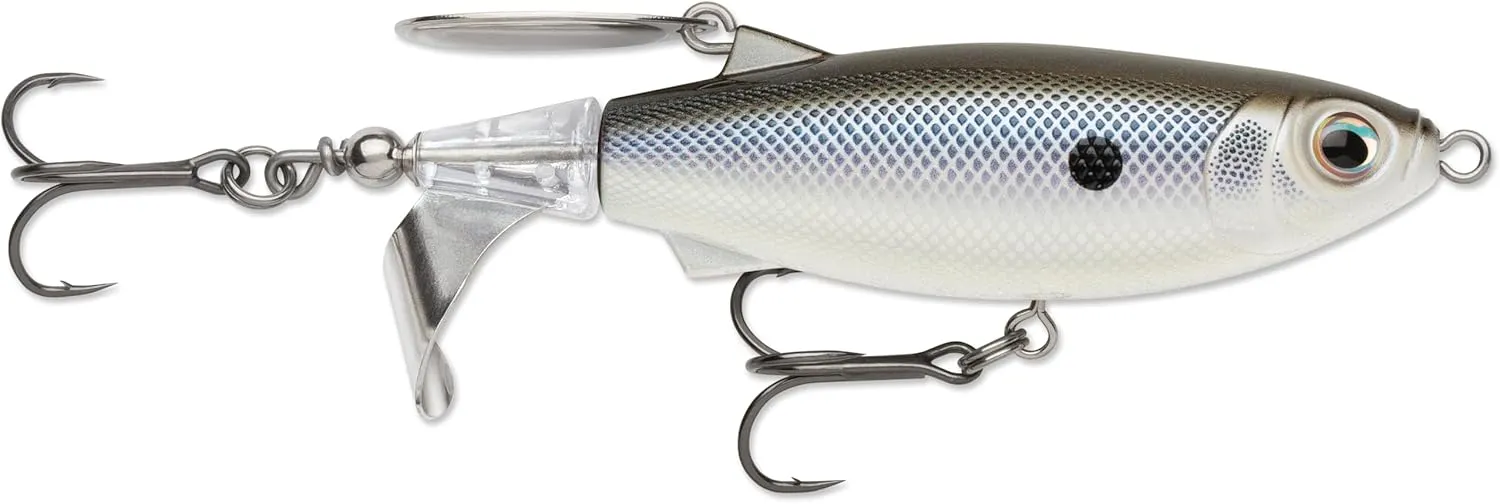
Rapala ClapTail 110: The New Prop Bait That Won ICAST
The Rapala ClapTail 110 is designed by Elite Series pro Jacob Wheeler and took home ICAST 2025 Best Freshwater Hard Lure. What sets it apart is the dual-blade clapping mechanism: two blades slap together on the retrieve, producing a sharper, more erratic sound profile than traditional single-prop baits.
Think of it as the finesse prop bait. Where the Whopper Plopper is loud and steady, the ClapTail gives you variation in cadence. A slow, stop-and-go retrieve makes those blades clap irregularly, like a dying shad twitching on the surface. That subtlety is deadly during low-light windows when bass won't fully commit to chasing.
Retrieve Tips
Start with a slow, steady retrieve at dawn. As the sun climbs, switch to a stop-and-go: two cranks, pause, two cranks, pause. Bass often hit on the pause when the blades settle. Around docks, try a twitch-twitch-pause pattern. Pair it with 30-40 lb braid and a 7' medium-heavy rod.
Pros and Cons
- Pros: Unique clapping sound bass haven't been conditioned to; excellent slow-retrieve action; tournament-proven design from Jacob Wheeler; versatile cadence options
- Cons: At ~$22, it's the priciest bait in this lineup; relatively new so long-term durability is still being tested; paint chips if you bounce it off rocks
Pick up the Rapala ClapTail 110 for around $22. It's the one new lure worth buying this summer.
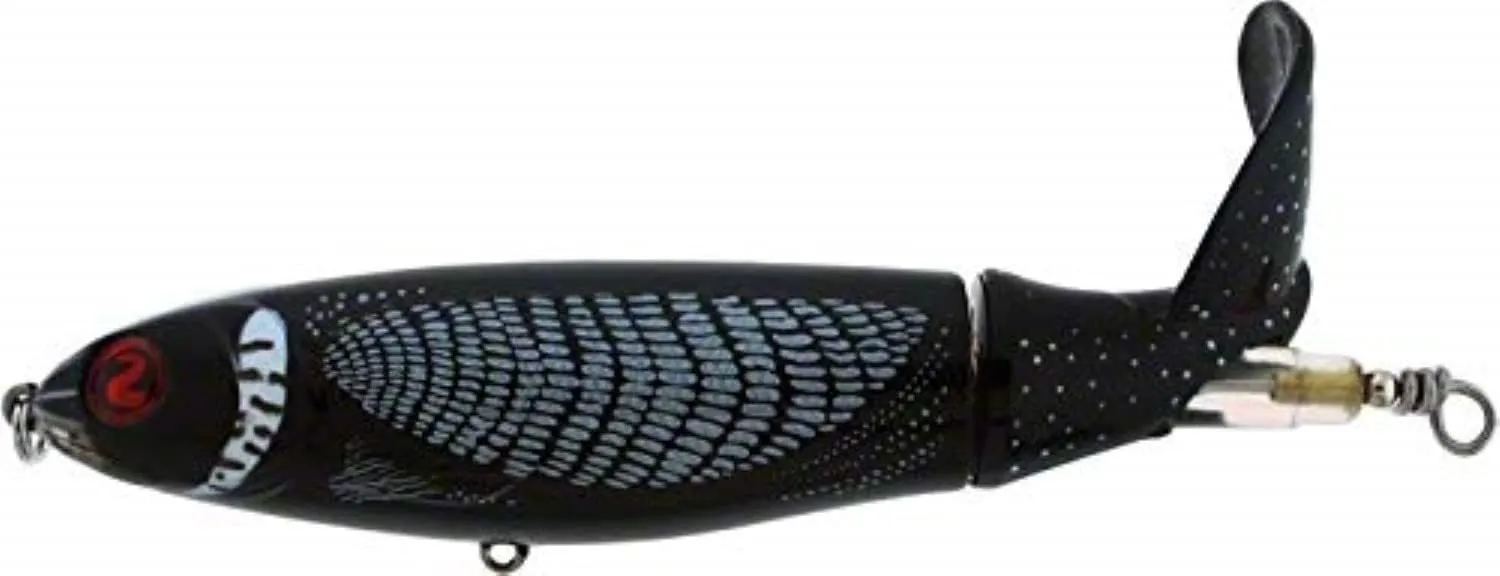
River2Sea Whopper Plopper 110: Still the King of Topwater
The River2Sea Whopper Plopper 110 is the number-one selling reeling prop bait in America. Cast it out, reel it back, bass eat it. That simplicity is exactly why it belongs in every summer tacklebox regardless of skill level.
What the Plopper does better than anything else is cover water. A steady retrieve creates a consistent bubble trail and plopping sound that pulls fish from 20+ feet away. Tournament pros like Greg Hackney and Brandon Palaniuk have weighed winning bags on this bait for years. It still outfishes most everything else in the box.
Retrieve Tips
Steady retrieve, medium speed: that's the whole gameplan. Speed up over deeper water, slow down over shallow flats. On calm mornings, a slower retrieve spaces out the plopping cadence and triggers more committed strikes. Throw it on 50 lb braid with a heavy action rod.
Pros and Cons
- Pros: Dead-simple retrieve anyone can master; proven across thousands of tournament wins; excellent casting distance at 110mm size; incredibly durable hardware
- Cons: Bass in heavily pressured lakes can get conditioned to the sound; treble hooks snag grass easily; limited retrieve variation compared to the ClapTail
The River2Sea Whopper Plopper 110 runs $15-17 and is the single most reliable topwater lure you can own.
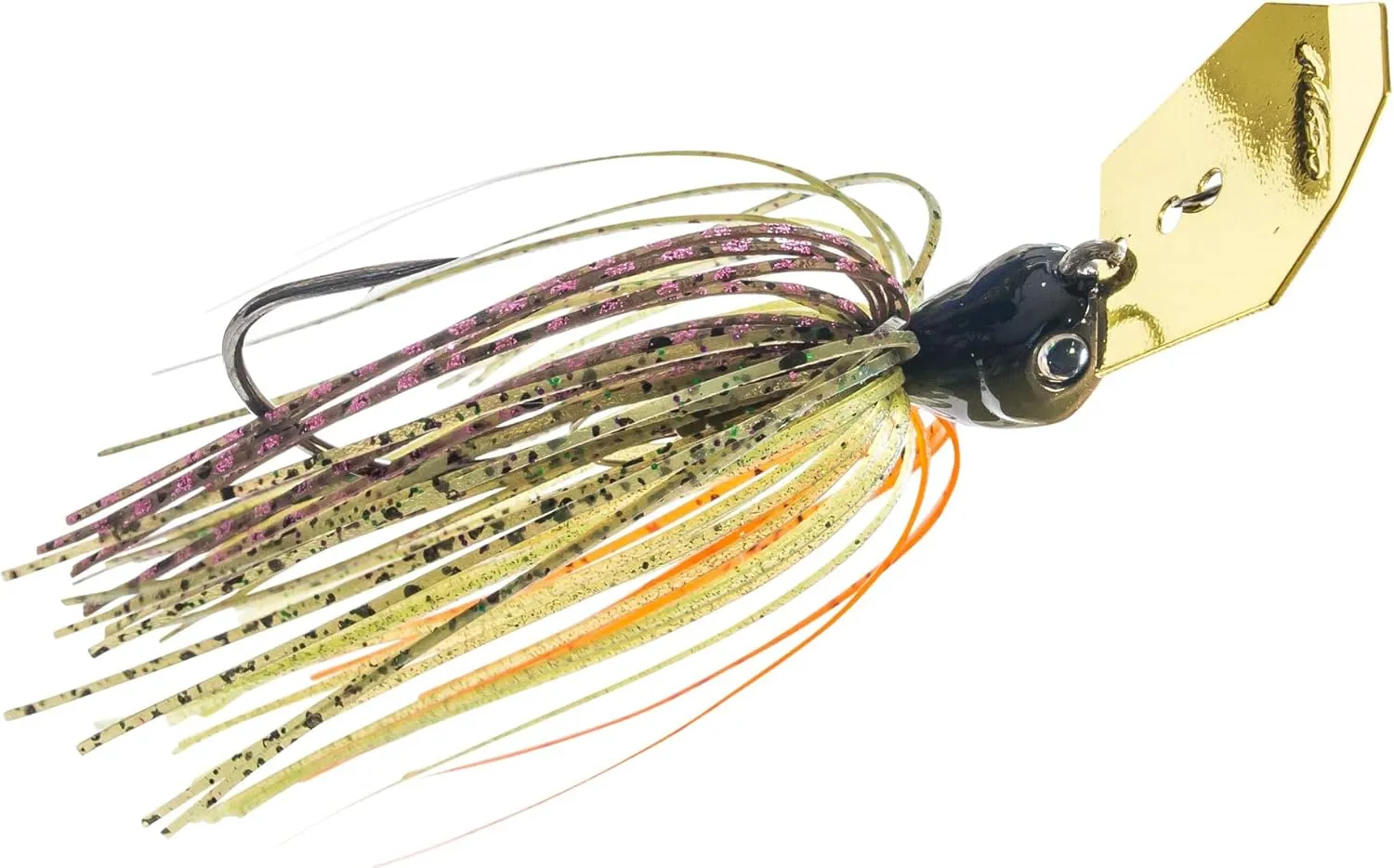
Z-Man ChatterBait JackHammer 1/2 oz: The Most Decorated Vibrating Jig Ever Made
The Z-Man ChatterBait JackHammer has won more tournament money than any other bladed jig in bass fishing history. Brett Hite designed it, and pros across Bassmaster, MLF, and FLW keep it tied on spring through fall. The 1/2 oz version is the summer sweet spot: heavy enough to reach grass lines at 8-12 feet, light enough to skip under docks.
You might also enjoy: Where Do Crappie Go After the Spawn? A Summer Brush Pile Depth Guide
You might also enjoy: Spring Crappie Fishing Tips: Ice-Out to Spawn
The patented hex-shaped blade creates a tighter, faster vibration that transmits through grass without fouling. That matters when bass set up on hydrilla edges, milfoil lines, and coontail clumps between 6 and 15 feet. Most bladed jigs collect salad after three cranks. The JackHammer sheds it and keeps vibrating.
Retrieve Tips
Cast parallel to weed lines and use a steady medium-speed retrieve, ticking the top of the grass. When you feel vegetation contact, pop it free. That erratic deflection triggers reaction strikes. Around docks, skip it under on a low sidearm cast and slow-roll back along the shade line. Pair it with a Z-Man Razor ShadZ 4" trailer and a 7'2" medium-heavy rod with an 8.1:1 reel.
Pros and Cons
- Pros: Unmatched vibration quality from the hex blade; skips under docks better than any competing bladed jig; sheds grass exceptionally well; proven tournament pedigree at the highest level
- Cons: Premium price at ~$20 per jig; the included skirt can tear after repeated fish; you'll lose some to deep grass hang-ups regardless
Grab the Z-Man ChatterBait JackHammer 1/2 oz at around $20. No other vibrating jig comes close.
Strike King Rage Buzz Minnow: The Budget Topwater Secret
At roughly $8 for a 5-pack, the Strike King Rage Buzz Minnow catches bass where treble-hooked topwaters can't go. It's a buzz frog/soft plastic hybrid: the forked Rage Tail kicks water on a surface retrieve while the soft body lets you rig it weedless on a 5/0 EWG hook.
The hookup ratio separates it from hollow-body frogs. Traditional frogs require a hard hookset through a compressed body, and you miss a lot of fish. The Rage Buzz Minnow's slimmer profile means bass get pinned on the first strike far more consistently. Owners report markedly better hookup rates than they get on hollow-body frogs around lily pads.
Retrieve Tips
Rig Texas-style on a 5/0 wide-gap hook with the point barely tucked. Buzz it across grass mats, lily pads, or overhanging cover at a steady medium retrieve. When a bass blows up, wait until you feel weight before setting the hook. Around pads, pause it in open pockets for 2-3 seconds before resuming.
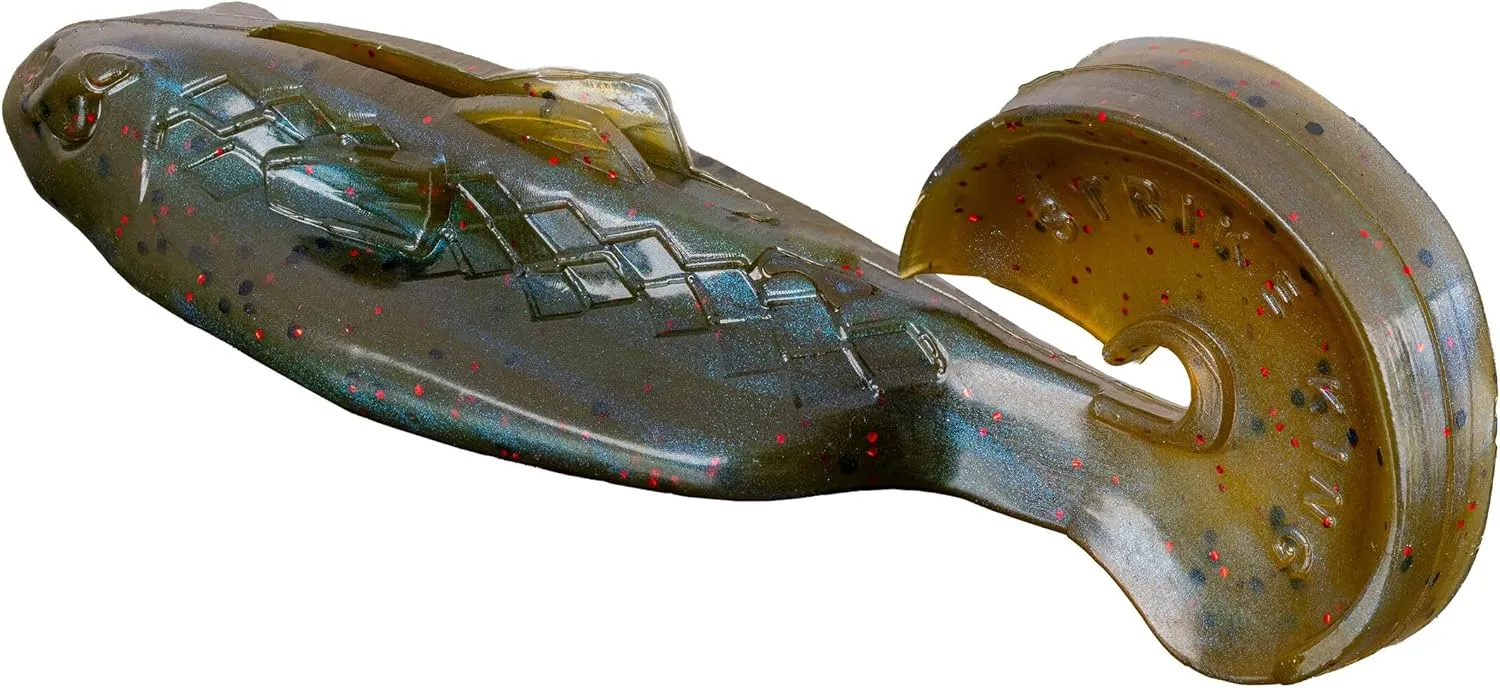
Pros and Cons
- Pros: Unbeatable value at ~$1.60 per bait; weedless rigging goes where treble hooks can't; much better hookup ratio than hollow-body frogs; compact profile skips well
- Cons: Soft plastic tears after 3-5 fish; no rattles or blades so it's quieter than hard-body topwaters; requires your own hooks (not included)
The Strike King Rage Buzz Minnow 5-pack costs about $8 and belongs in every summer bag as your go-to mat bait.
When Should You Throw Each Lure?
The right lure depends on time of day, cover type, and how active the bass are. Here's a straightforward breakdown so you're not guessing on the water.
First light to 8 AM: Start with the Whopper Plopper 110. Bass are scattered and actively feeding on shad near the surface. The steady retrieve covers water fast and the plopping sound pulls fish from a distance. If they're blowing up but not committing, switch to the ClapTail's slower, more erratic cadence.
Mid-morning (8 AM to 11 AM): As the sun pushes bass toward cover, transition to the ChatterBait JackHammer. Work it along grass edges, laydown trees, and the shady sides of points between 6 and 12 feet. The vibration triggers reaction bites from bass that have stopped actively chasing surface baits.
You might also enjoy: Chatterbait vs Swim Jig for Summer Grass: Which One to Tie On and When
You might also enjoy: Moon Phase Fishing: Does It Actually Work?
Midday heat (11 AM to 4 PM): Bass are buried in the thickest cover they can find: grass mats, lily pad fields, dock shade. This is prime time for the Rage Buzz Minnow. Its weedless design lets you buzz it right across the top of matted vegetation where a treble-hooked lure would be useless. The JackHammer also shines here, slow-rolled under docks along the shade line.
Evening (4 PM to dark): As light fades, circle back to topwater. The ClapTail 110 is my first choice for the last hour of light: that clapping sound seems to trigger bigger fish in low-light conditions. If they want a louder presentation, switch back to the Whopper Plopper.
How Do Summer Conditions Change Your Lure Choice?
Water temperature drives everything. According to Texas Parks & Wildlife and the Florida Fish and Wildlife Conservation Commission, largemouth bass are most active between 75-85°F surface temps, June through September across most of the country. Above 85°F, bass feed in shorter windows, usually the first and last 90 minutes of daylight.
Grass mats: When temps push past 85°F, bass tuck under floating vegetation where water can be 5-10 degrees cooler underneath (per University of Florida IFAS research). The Rage Buzz Minnow is built for this: buzz it weedless across the mat. The JackHammer works the outside edges.
Docks: The JackHammer's ability to skip on a low sidearm cast gets it deep under dock overhangs where other baits can't reach. Slow-roll along the shade line, bumping pilings.
Overcast days: These extend the topwater bite all morning. Throw the Whopper Plopper on a steady retrieve and cover bank. Reviewers note that cloudy days consistently produce some of the best Plopper bites of the season. The ClapTail is your changeup when they swirl but won't eat.
Stained water: The JackHammer's vibration profile is the best option under 2 feet of visibility. Bass rely on their lateral line in dirty water, and the chatterbait's thump is easier to track than a surface splash.
Our Pick for Summer 2026
If I had to grab one lure for an entire summer, it'd be the River2Sea Whopper Plopper 110. Most versatile, most forgiving, most consistently productive topwater on the market. Hand it to a beginner or throw it in a tournament: it delivers either way.
But the real power move is owning all four. Together they cost under $65 and cover every scenario summer throws at you. Track your catches with each one in Bushwhack and the patterns emerge fast: which lure produces at which time of day, water temp, and cover type. That data turns a good rotation into a dialed-in system.
Get fishing tips in your inbox
New guides, seasonal tactics, and gear picks — about once a month, no spam.